- Home
-
Private banking
-
LGT career

Rewilding restores the natural dynamics of damaged ecosystems. We explain why key species, such as rhinos, play a central role in this process, and why successful conservation projects can only be achieved in partnership with the local population.
Rewilding is not simply about protecting nature; it is about restoring it. Going far beyond conventional conservation, it gives large-scale ecosystems what they need to become self-regulating again, with minimal human interference, enabling nature to regenerate.
Central to this process are keystone species. By keeping prey populations in check, reshaping landscapes and creating habitats for other organisms, they help shape entire ecosystems. And because so many other species depend on them, their disappearance can send ripples through an entire ecosystem. If they return, systems can often recover, though rarely back to exactly the way they were originally.
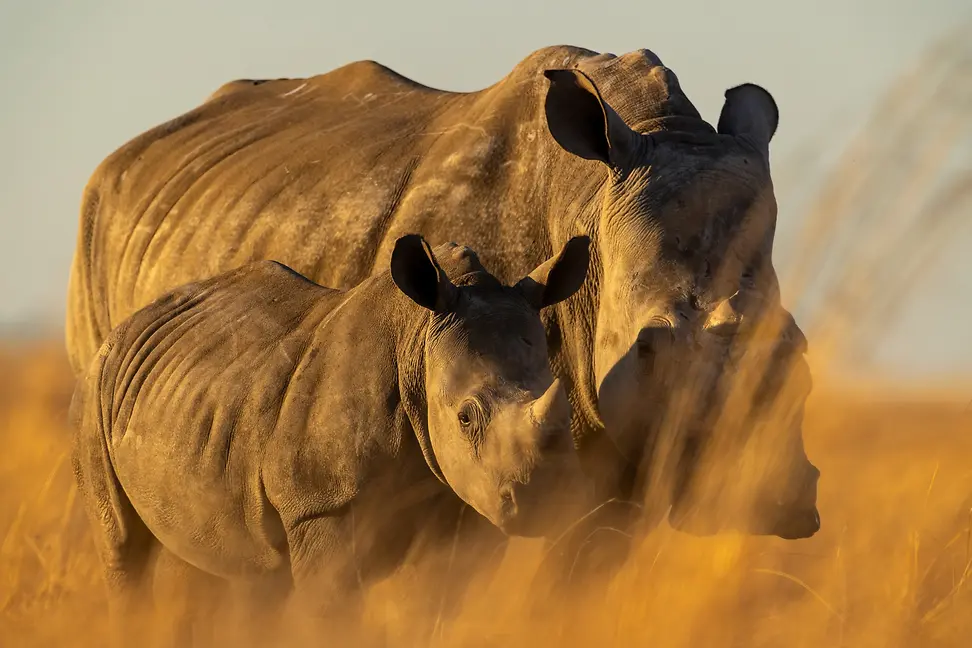
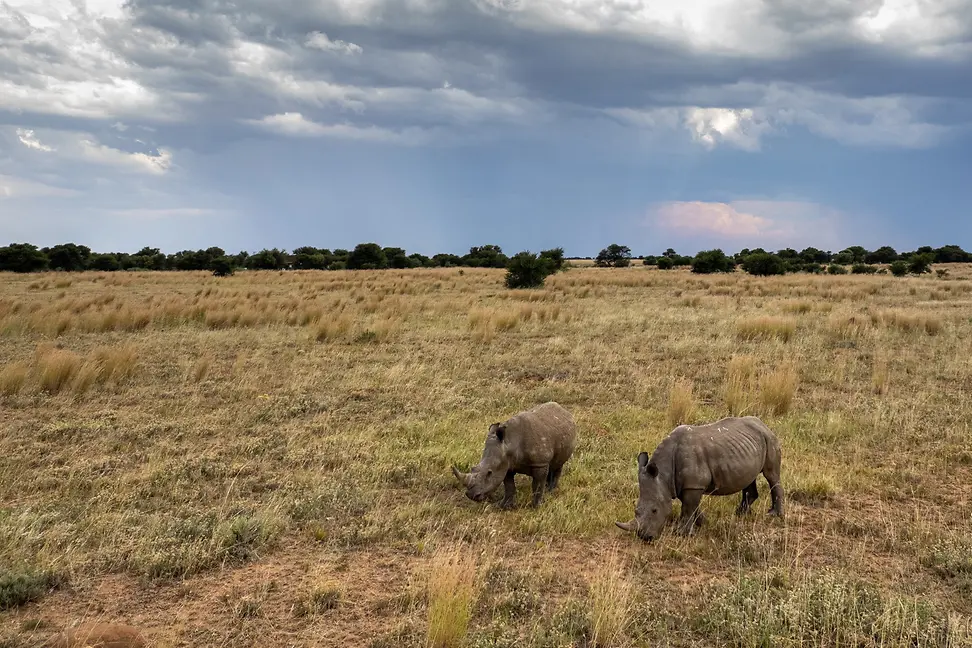
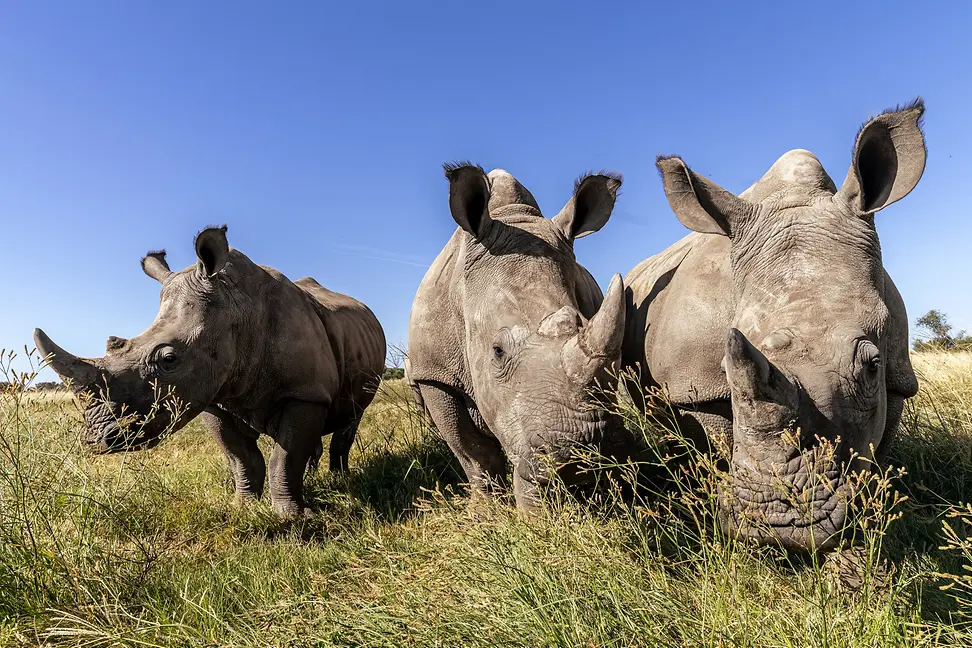
Keystone species include predators at the top of the food chain, but also animals whose impact is less obvious. Beavers, for instance, transform entire landscapes with their dams. Rhinos, as large grazers, keep vegetation short, carve out paths and waterholes, and distribute nutrients through their dung - all of which support other species.
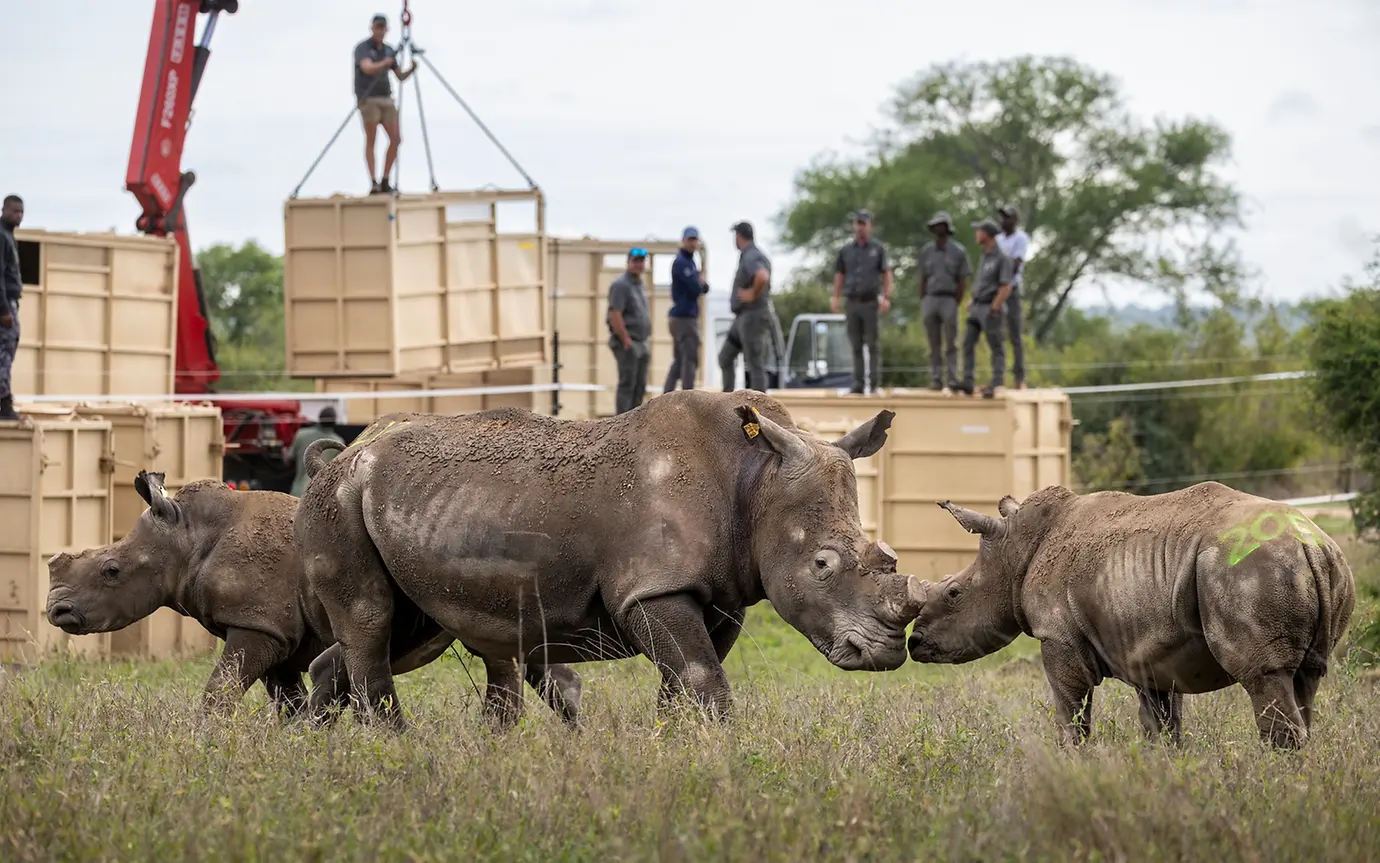
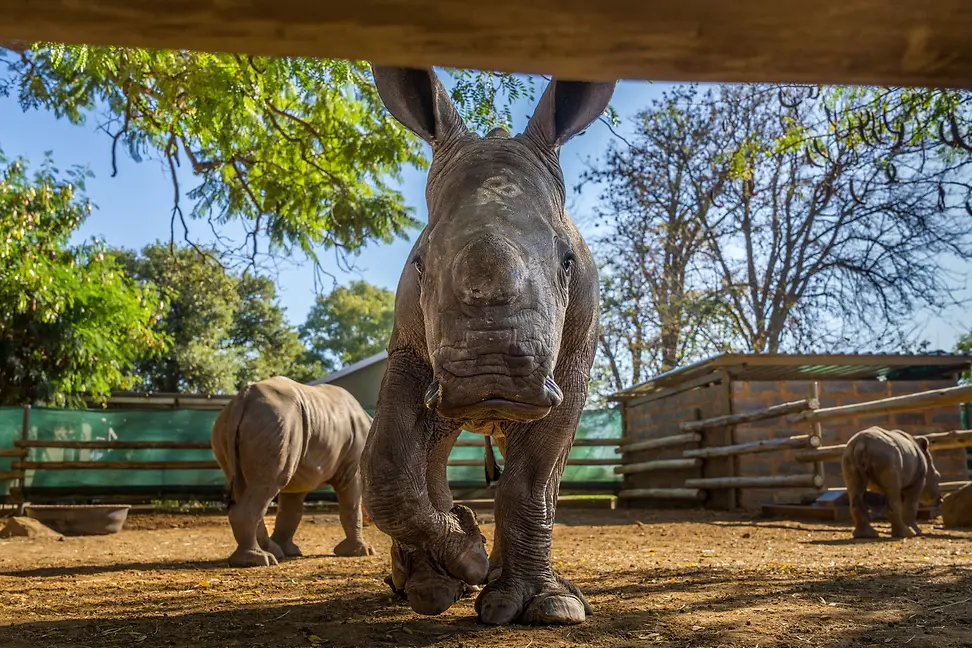
"Every animal has a specific role to fulfil in ensuring that the system functions properly", says Sonja Ringdal of African Parks. The non-profit conservation organisation, which is a partner of LGT Venture Philanthropy, runs a rhino rewilding project that is relocating around 2000 southern white rhinos from a former commercial breeding facility to secure protected areas.
Rewilding is built on four cornerstones, known as the "4 Cs": core areas (large protected areas); corridors (connecting zones that support wildlife movement and migration between core areas); carnivores (the reintroduction of apex predators); and coexistence (a reimagined relationship between people and the natural world).
The term rewilding emerged among conservationists in the early 1990s and is closely associated with Dave Foreman, an American environmentalist and co-founder of the radical conservation organisation Earth First!. Foreman helped popularise the "3 Cs" - core areas, corridors and carnivores - as guiding principles for nature conservation on a continental scale in North America, in response to the massive loss of species and the fragmentation of habitats.
The concept marked a paradigm shift: rather than simply preserving what remained, the aim was to actively restore. The ecologist and biogeographer Jens-Christian Svenning described rewilding as ecological restoration through the restoration of ecological processes - the goal being not to restore a past state, but to re-establish ecological dynamics such as animal migrations and predator-prey relationships.
Europe now has several successful rewilding projects. One of the best known is underway in the Oder Delta, where rivers and wetlands are being restored and wildlife is being reintroduced across roughly 450'000 hectares around the Stettin Lagoon. The area contains river landscapes, heathlands, forests, reed beds and coastal habitats.
Several large-scale projects are also underway in Africa. The Peace Parks Foundation focuses primarily on restoring cross-border landscapes, but has also reintroduced entire wildlife communities, not just individual animals, into various regions. The Rewild Zambezi project, run by the Great Plains Foundation/Great Plains Conservation, involves a large-scale wildlife translocation effort and ecosystem restoration in the Zambezi region of Zimbabwe - a direct response to prolonged drought driven by climate change, which has left vast areas barren.
African Parks, meanwhile, has relocated over 8000 wild animals to repopulate conservation areas. With its Rhino Rewild project, it has reintroduced around 2000 southern white rhinos to selected conservation areas.
African Parks is a nature conservation organisation founded in 2000 and based in Johannesburg. Its approach is unique: the NGO takes on the full, long-term management of national parks and protected areas - in close partnership with governments and local communities. Today, African Parks manages 24 protected areas across 13 countries and employs around 6000 staff.
For African Parks, nature conservation means far more than just wildlife protection: the organisation consistently invests in the people living in and around the parks. Over 2500 scholarships have been awarded to students in the regions where it operates; around 295'000 people have received medical care via mobile clinics and hospitals over the past five years. Just under 130 schools are supported, and more than 10'000 children visit the parks every year.
By 2030, African Parks aims to have 30 parks under its management - a clear commitment to one of the continent's most ambitious conservation agendas.
LGT Venture Philanthropy supports African Parks as a strategic partner, providing capital and expertise.
Research shows that rewilding is most effective when it restores the key functions that allow ecosystems to recover. And as food webs begin to function again, they become more resilient to climate change and better able to store carbon than degraded systems, giving rewilding an added climate protection dimension. Examples of this can be found in Europe, North America and Africa.
Once extinct in the wild, the European bison survived in zoos before targeted reintroduction programmes brought it back. Several thousand now roam free, with populations re-established in Romania and elsewhere. But these efforts did more than save a species. As large herbivores, European bison help keep landscapes open and shape vegetation, influencing the habitats around them. Predators can have similarly far-reaching effects, although through different mechanisms. When wolves were reintroduced to Yellowstone National Park in 1995, they measurably altered the behaviour and distribution of elk, allowing riverbank vegetation and a cascade of other species to regenerate more effectively.
But rewilding is not without its critics. Some argue that it can marginalise local communities, stripping them of access to land that is essential to their livelihoods, and raising serious questions about land rights and the risk of land grabbing.
Traditional land-use rights are often not legally recognised, and even well-intentioned conservation projects can result in communities being displaced without compensation. This risk is especially acute in Africa, where around 90 % of agricultural land is managed under customary tenure arrangements that the state does not formally recognise. This legal vacuum can - and sometimes does - get exploited.
African Parks' Rhino Rewild project is, by any measure, an ambitious undertaking. In 2023, the NGO acquired Platinum Rhino, the world's largest rhino breeding farm, located in South Africa, which had been on the brink of bankruptcy.
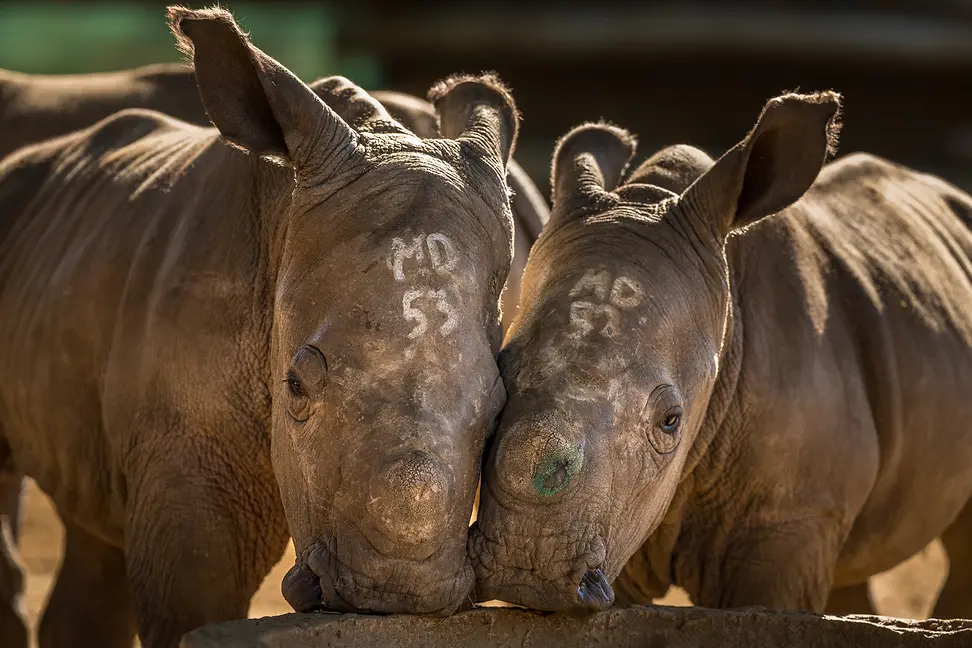
"African Parks agreed to take over the farm, including its 2000 rhinos, with the aim of reintroducing the animals into safe protected areas across the continent over the next ten years", explains Ringdal. Otherwise, those rhinos, which had been bred in captivity and accounted for 15 % of the global population, would have become easy targets for poachers - a very real threat.
The southern white rhino's story is a remarkable one. At the start of the 20th century, the species was on the brink of extinction, with only 20 to 50 individuals remaining. Through Operation Rhino, a concerted effort by South African wildlife authorities and conservationists in which relocation played a central role, the population had recovered to around 20 000 animals by 2010 - the majority in South Africa. But the species is not out of danger yet. Heavy poaching for their horns has kept rhinos on the International Union for Conservation of Nature's (IUCN) Near Threatened list.
The former Platinum Rhino facility was, in effect, a living gene bank - one capable of boosting the genetic diversity of the white rhino population through carefully managed translocations. But African Parks' primary goal is for the animals to resume their functional role within the ecosystem, actively contributing to the restoration of the landscapes they are reintroduced to.
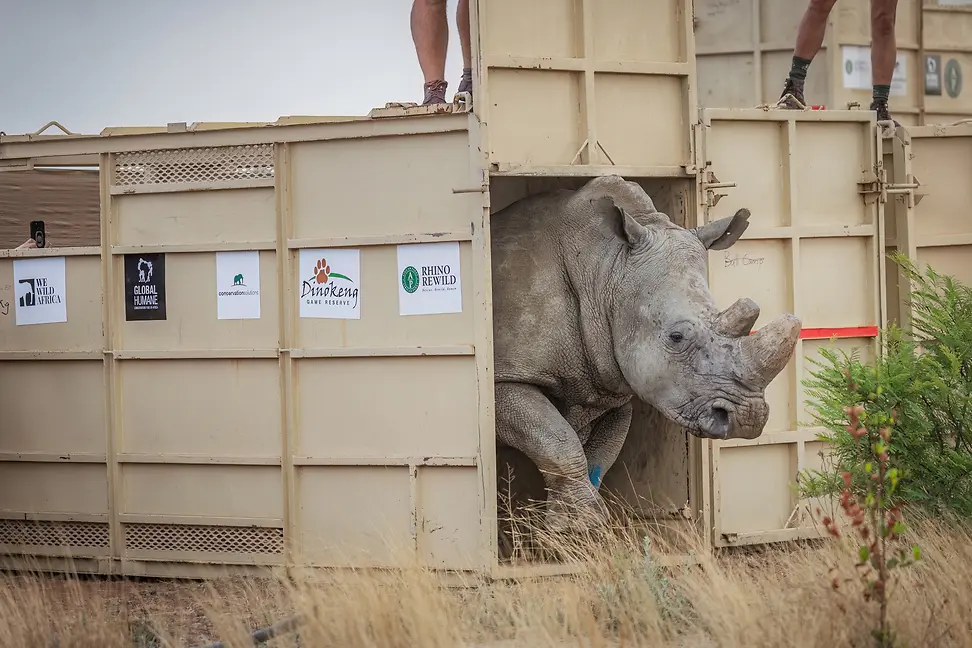
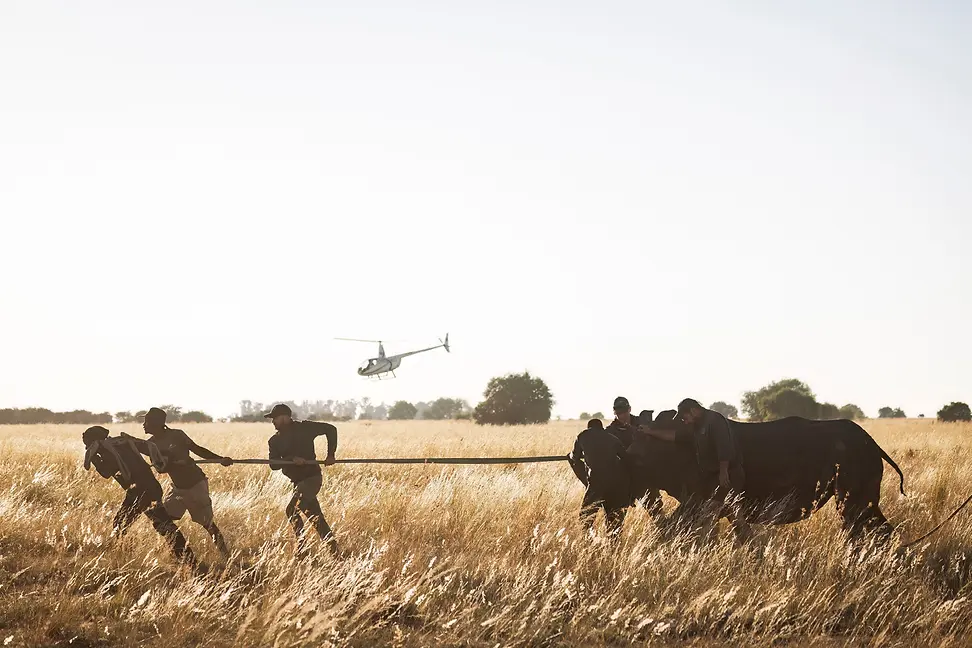
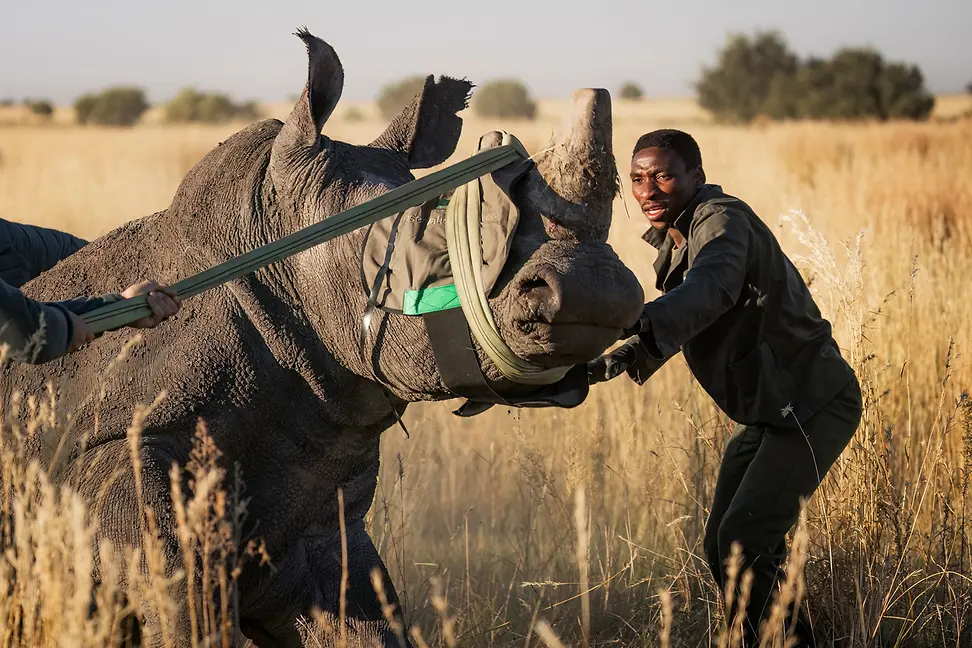
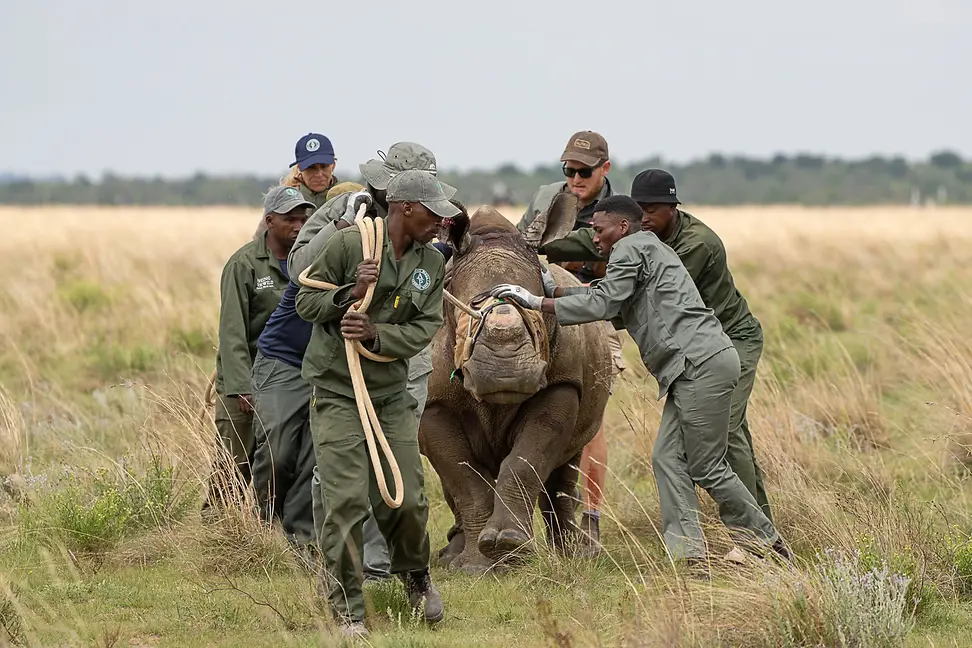
By the end of 2025, 632 animals had already been relocated to 16 different protected areas across the Democratic Republic of the Congo, Rwanda, South Africa and Uganda. The process is painstaking. Animals are not simply released into the wild; they are sedated, transported and then held in enclosures to acclimatise to the new climate and habitat before being released gradually, one by one. Ringdal describes it as "a huge amount of preparation and a great deal of follow-up work".
But logistics, she emphasises, are only part of the challenge - the project can only succeed with the support of local communities. African Parks works very closely with these communities through the "three Es" - engagement, education and enterprise. In practice, this means sustained dialogue with local people, school programmes and environmental education, and support for local cooperatives and alternative income streams - including sustainable agriculture initiatives, the establishment of water sources and beekeeping projects. As Ringdal puts it: "Conservation cannot work without involving the local population."
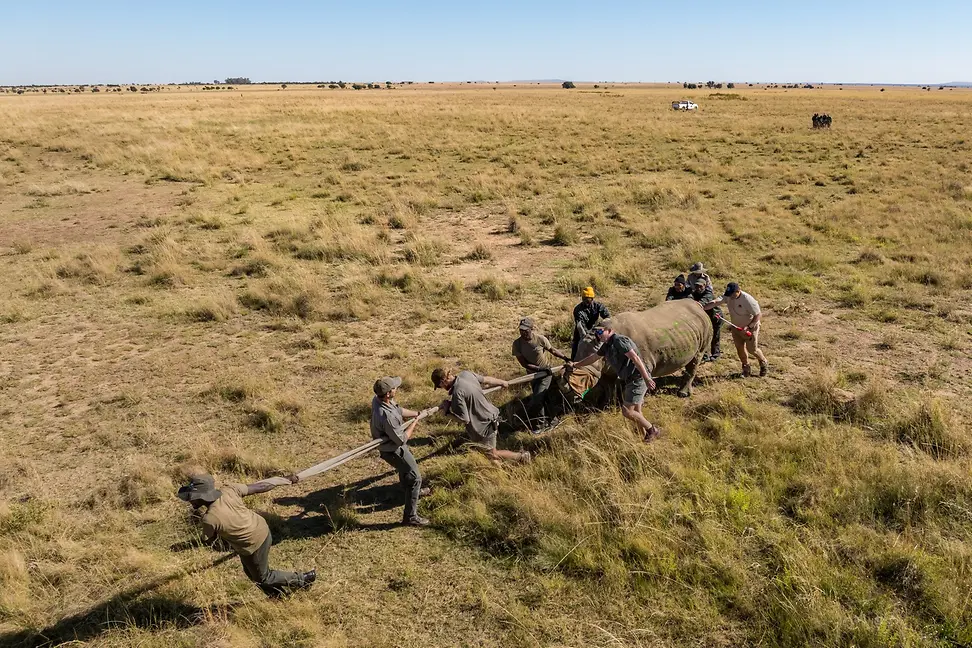
LGT Venture Philanthropy (LGT VP) is an independent charitable foundation established in 2007 by the LGT Group Foundation. In line with the Princely Family of Liechtenstein’s vision of making a lasting, positive contribution to people and planet, the foundation works to improve the quality of life of people facing disadvantages, contribute to healthy ecosystems and support strong, inclusive and resilient communities.
LGT VP supports local organisations delivering effective and scalable solutions in the fields of health, education and the environment. It provides flexible, multi-year funding and builds long-term partnerships to achieve sustainable impact. Through the LGT Impact Fellowship, experienced professionals work with these organisations to provide targeted strategic expertise.