- Home
-
Private banking
-
LGT career

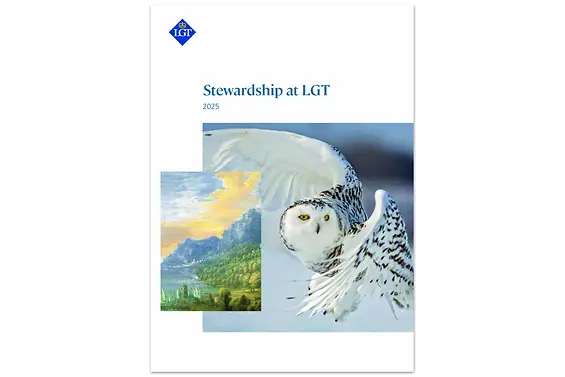
Stewardship is quietly reshaping what it means to invest. No longer just about selecting assets, it reflects a more active role: investors as long-term partners, using their influence to guide companies toward stronger governance, resilience and sustainable growth.

Stewardship has become an increasingly important concept in modern investing, yet it is often misunderstood. At its core, stewardship refers to the responsible allocation, management and oversight of capital on behalf of clients and beneficiaries. It recognises that investors are not simply passive owners of assets but participants in the long-term success of the companies in which they invest.

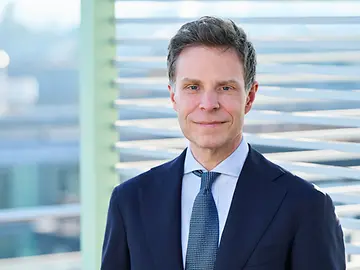
Siobhan Archer, Global Stewardship Lead at LGT, spearheads engagement and voting across the firm. Her efforts on active ownership have since been extended across LGT's wider value chain, now encompassing companies, fund managers, and industry wide working groups.
The aim of stewardship is to support sustainable long-term value creation for both companies and investors. When companies manage risks well, maintain strong governance and plan for the future, they are more likely to remain resilient over time. For investors, stewardship therefore plays an important role in helping to mitigate risk and support the long-term returns that clients rely on.
Stewardship activity often focuses on themes that are financially material over the long term. At the heart of this is governance: the composition and skills of a board, the independence of its directors, the diversity of perspectives around the table and whether executive incentives are structured to reward the right outcomes. Strong governance underpins everything else, as without effective oversight and clear accountability, even well-intentioned businesses can struggle to manage risk and deliver sustainably over time.
Stewardship is redefining investing: turning capital into influence and responsibility
Beyond governance, stewardship also encompasses how companies approach broader long-term risks, including climate change, biodiversity and fair and inclusive workplaces.
Stewardship can also extend beyond individual companies. Investors often contribute to wider discussions on market standards, governance practices and regulation. By participating in industry initiatives, responding to consultations and collaborating with other investors, they can help promote stronger market practices and more transparent capital markets.
Importantly, stewardship is not about directing how companies should operate. Instead it focuses on constructive oversight and dialogue. Investors use a range of tools to understand how businesses are managed, raise questions where appropriate and encourage improvements where they believe these could strengthen long-term performance.
One of the most visible elements of stewardship is voting. When investors hold shares in publicly listed companies, they have the right to vote on key matters at shareholder meetings. These votes often cover important governance issues such as the appointment and independence of board members, executive remuneration, capital allocation and shareholder rights. Investors may also vote on proposals related to environmental or social issues where these could affect the long-term prospects of the business. By exercising these voting rights investors can express their views on how companies should be governed and managed.

Another important component is engagement. This involves direct dialogue between investors and companies. Through regular conversations with company management and boards, investors can gain a deeper understanding of strategy, financial performance and the risks and opportunities facing the business. Engagement also allows investors to raise concerns or encourage companies to strengthen practices that support long-term value creation.
At LGT, stewardship forms part of our investment approach for certain assets. As investors acting on behalf of clients, we exercise voting rights, engage with companies and fund managers and contribute to wider industry dialogue where appropriate. These activities are guided by the belief that thoughtful oversight and constructive engagement can help companies strengthen their long-term prospects while helping investors better understand and mitigate risk.
Ultimately stewardship reflects a broader view of investing. It recognises that long-term financial returns are closely connected to the strength of the businesses, economies and societies in which investors operate. By taking an active and responsible approach to ownership, investors can help encourage stronger companies and more resilient markets over time.