- Home
-
Private banking
- Market view
- Insights

Roberto Arnaboldi from LGT Bank Switzerland takes us on walks around Lake Lugano, to enjoy risotto in the piazza and to his grandparents house.
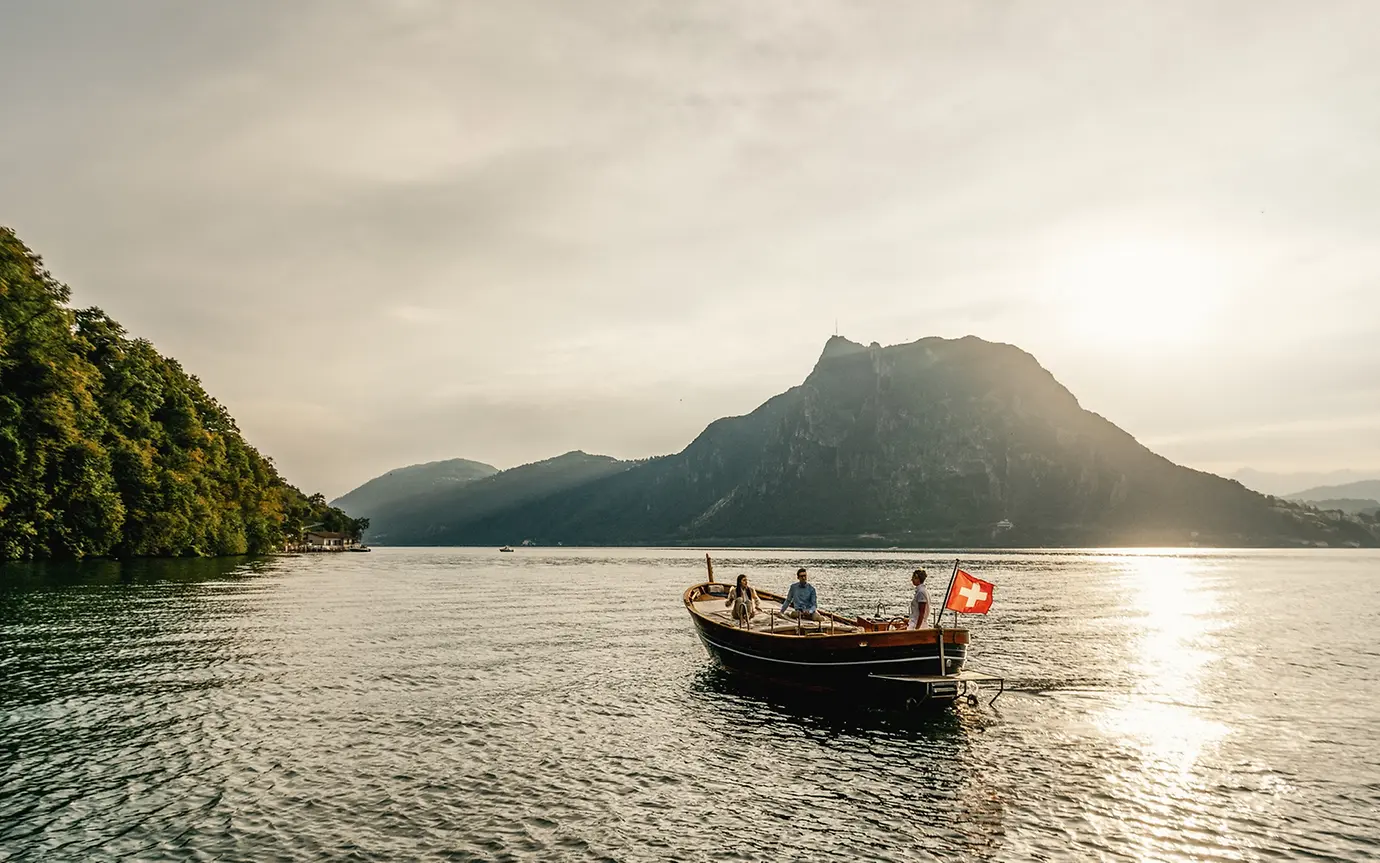
My connection to Lugano runs deep. I was born here, as were my father and my paternal grandparents. My mother's family comes from French-speaking Switzerland. So I grew up with two linguistic worlds - something that is very typically Ticinese.
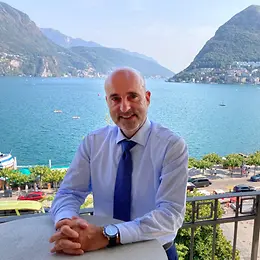
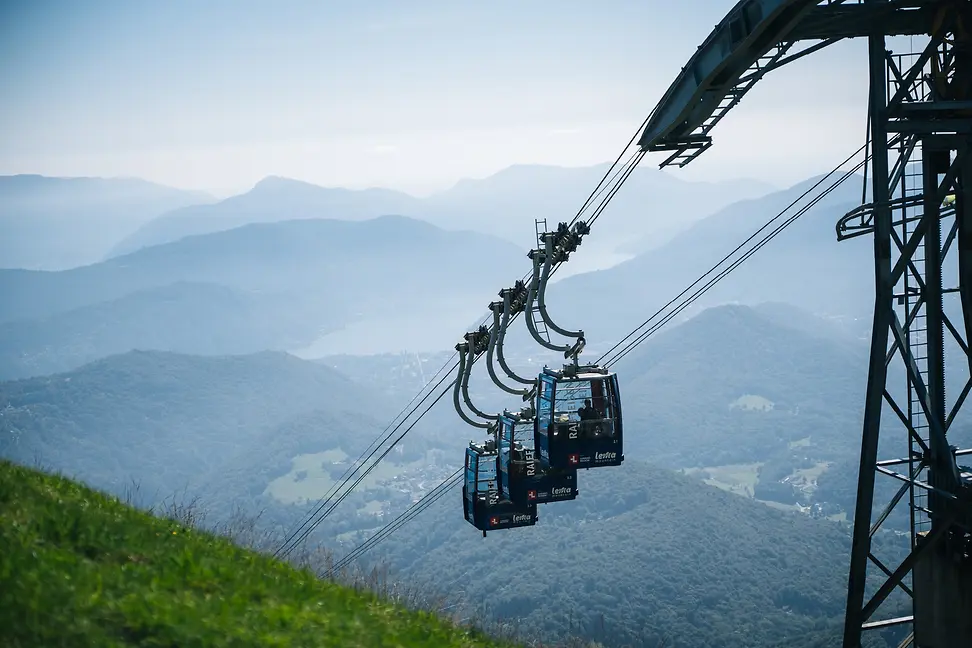
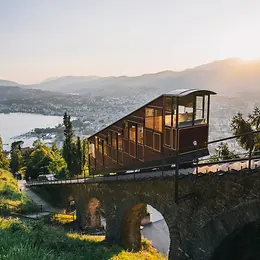
If you want to understand Lugano, you have to start with the lake - and I say that as someone who has never been a particularly good swimmer. The mountains rise out of the water: San Salvatore and Monte Brè, along with Monte San Giorgio, Monte Generoso, Monte Boglia, Monte Lema and Monte Bar. The lake brings harmony to this dramatic landscape. It radiates tranquillity and nature is always close by. Without it, Lugano would be a completely different place.
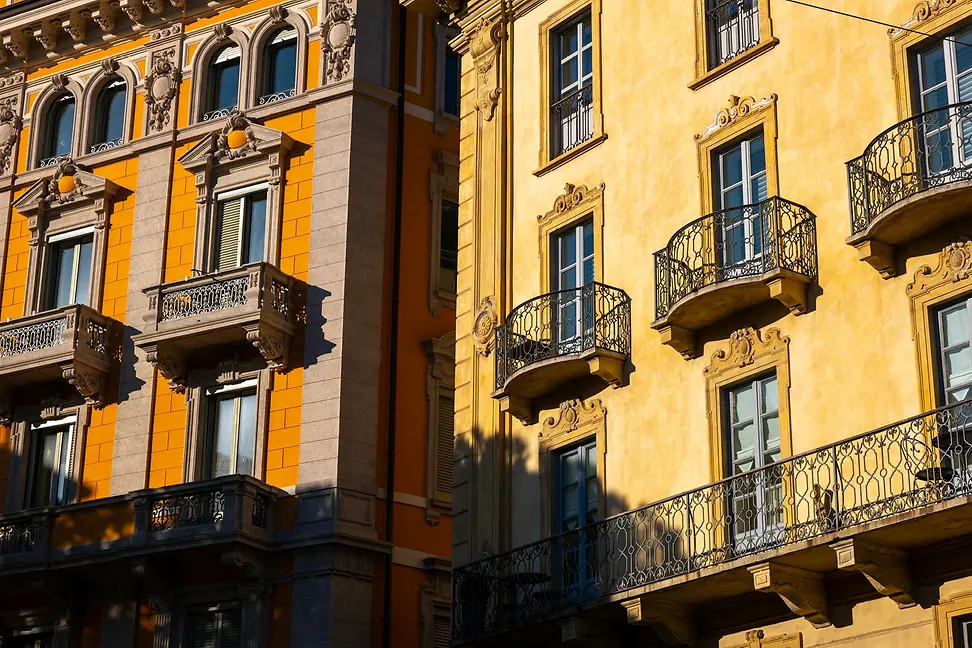
Lugano is pleasant, liveable and not overly large. One of its greatest strengths is the harmony of its urban landscape, which is largely free of unsightly buildings. It does not have the kind of concrete structures that in other cities block the view and detract from the charm. Yet it lacks nothing. Our LAC cultural centre, which has stood on the lakeshore since 2015, is home to the art museum of Italian-speaking Switzerland and attracts visitors from well beyond the canton. In sport, we have entered a new era: after 75 years, our old Cornaredo stadium has made way for the new AIL Arena - a small but impressive stadium where FC Lugano is once again competing internationally.
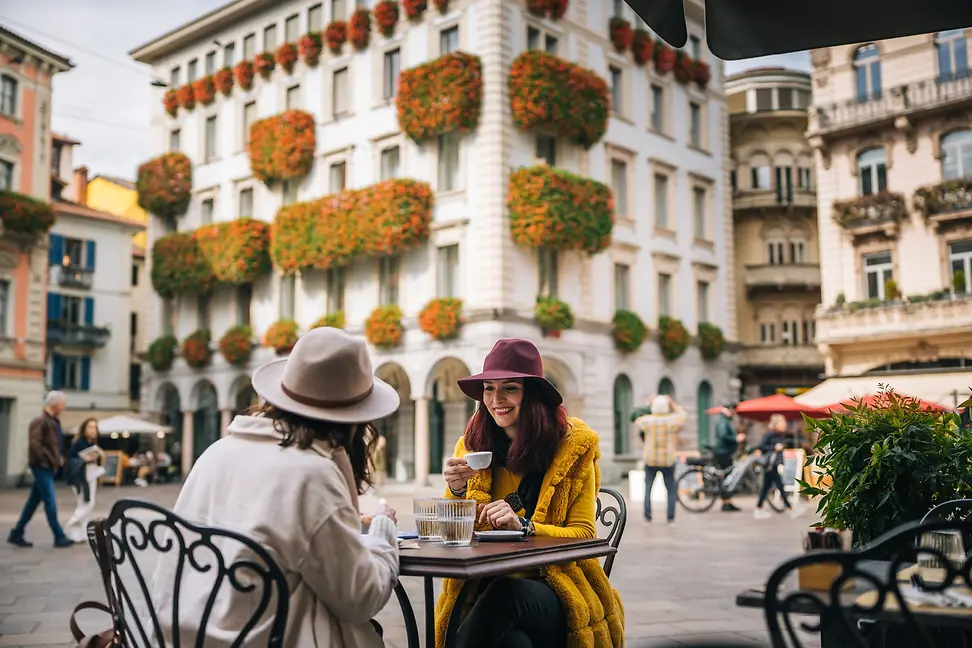
And the people of Lugano? We don't open up right away. At first, we tend to be friendly but rather formal. We are pragmatic and organised, like to plan ahead and stick to schedules and rules. A true Luganese is considered reserved, reliable and down-to-earth, with rather elegant manners and strong ties to the local community. Outsiders used to call us "sbroja", an old mocking nickname for the people of Lugano. Today, we wear the name with pride: "Re Sbroja" is the central figure in our carnival and, for a few days, receives the keys to the city and leads its parades and festivities.
What is closest to my heart, though, is our dialect. It reminds me of my grandparents' house, where only dialect was spoken. I am sad to see it disappearing. Young people in the cities hardly speak it any more. Yet it's a sign of belonging: when people speak dialect amongst themselves, you know you are not simply in the wider Italian-speaking world, but somewhere unmistakably Ticinese.
We have our own version of the dolce vita - although not in the picture-postcard sense. It is found in the little things: the lake, the walks, drinks outdoors and the chance to sit outside until late, with no sense of hurry. At the same time, Lugano has a strong work culture and a distinctly Swiss way of life. So the true dolce vita is something you feel most at weekends, in summer and at festivals. On weekdays, the city tends to be more serious and orderly.
Our traditions include risotto in Piazza Riforma during carnival season, the LongLake Festival and Estival Jazz in the summer, and the Autonassa and Christmas markets towards the end of the year. Unfortunately, some events have disappeared, such as the famous grape harvest parade, the Corteo della Vendemmia, which has not taken place for at least 25 years. It has been partly replaced by the equally beautiful Festa delle Vendemmia wine festival.
In the end, Lugano is a bit like the song that everyone here knows, Lugano Addio: you can leave the city - but it stays with you.