- Home
-
Private banking
-
LGT career

Capital expenditure (CapEx) on long‑term assets like buildings, machinery, vehicles, and technology has been strong for AI-linked investments. But are there CapEx opportunities beyond AI?

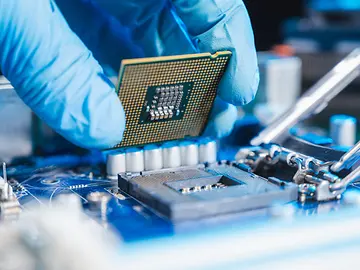
Right now, especially in the US, investments in artificial intelligence (AI) account for much of the spending on CapEx. Building data centres is big business.
However, trends like the energy transition, the need for supply‑chain security, and access to critical minerals, are starting to drive large public and private investment commitments beyond AI. With reshoring and clearer trade rules expected to unlock postponed investment in non-AI long-term assets in 2026, there could be a welcome recovery in this sector this year.
Since the COVID‑19 pandemic and its supply chain disruptions, more and more companies have been building up local production and regional value chains.
This reshoring and nearshoring process takes time, of course. Moreover, US tariffs have created enormous uncertainty, which is poison for investment. Without clarity on future tariff levels and their impact on demand and competition, companies are understandably reluctant to invest in long‑term capital goods to be used for decades.
AI may headline, but infrastructure builds the stage.
Trade uncertainty remains high: some 78 % of respondents in the Q3 Outlook Survey of the US National Association of Manufacturers mention trade uncertainty as a concern (it was 77 % in the previous quarter). But businesspeople are definitely becoming more positive: 65 % were optimistic in Q3, against 55 % in Q2.
Over time, greater clarity on trade relations should emerge, and corporate leaders are likely to feel more confident about making long-term investment decisions.
The Trump administration's Liberation Day tariffs have led to new investment commitments in the USA. According to the White House, foreign governments as well as domestic and foreign companies have committed as much as USD 9.6 trillion.
Even if only a fraction of this amount ultimately appeared, it would significantly boost overall investment. And recent legislation is providing further incentives.

Reto Hess is Head of Equity Strategy Europe at LGT Private Banking. He is responsible for LGT's assessments of the stock markets and for regional and sectoral equity strategy in the Investment Committee. Together with his team, he develops tactical equity ideas for individual stocks and themes with a focus on European and North American equities.
For example, the US "One Big Beautiful Bill Act" of 2025 introduced 100 % bonus depreciation for depreciable assets like vehicles, manufacturing equipment, heavy machinery, and software acquired after 19 January 2025.
Thanks to the immediate write‑off of the full investment amount once the law took effect, companies' taxable income is reduced, and their tax liabilities fall. And the deduction is permanent - with no taper over time.
According to the Congressional Budget Office, this measure will cost the government around USD 378 billion over the next ten years. However, the Tax Foundation think tank estimates that as a result of the higher investment and associated productivity gains this brings, US GDP could increase by 0.5 %, with 85,000 jobs created.
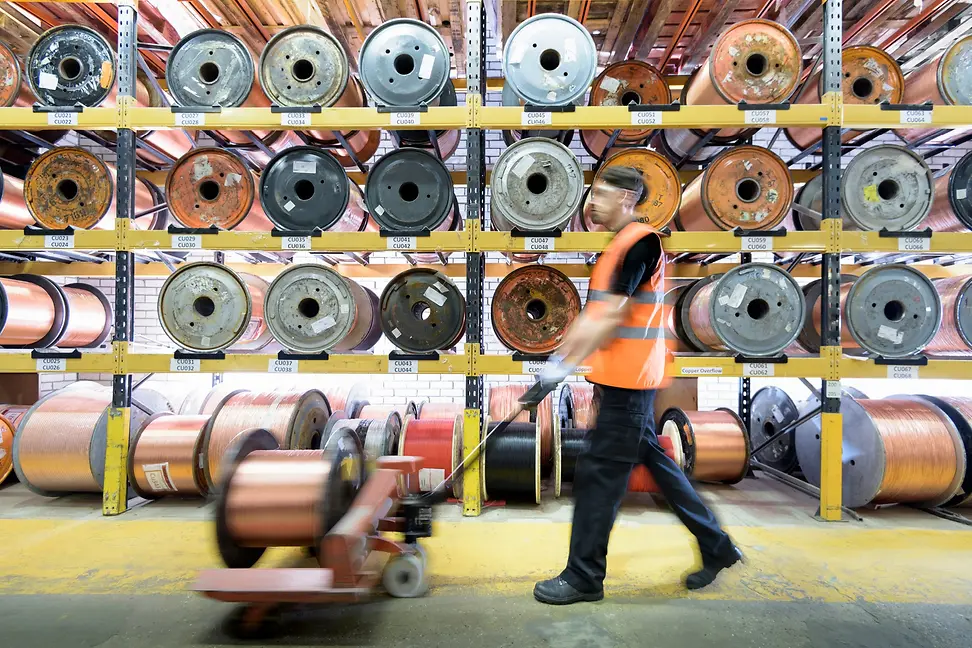
Additional investment incentives are emerging as geopolitical competition intensifies for strategic resources like rare earths.
The US Department of Energy (DOE) aims to develop a reliable, affordable, sustainable, and secure domestic supply chain for critical minerals; it has already made available almost USD 1 billion in grants and funding. Similarly, the US Department of War (previously the Department of Defense) is investing in public mining companies to strengthen the US supply chain.
Based on Bloomberg consensus estimates for the MSCI All Country World Index, the energy sector accounts for the largest share of CapEx (17 %), followed by consumer discretionary (13 %), and utilities (12 %). Regional patterns differ, however.
In the USA, where CapEx is heavily influenced by large investments in AI, the sectors with the highest CapEx shares are communication services (15 %), consumer discretionary (14 %), and IT (13 %).
A few very large companies dominate this picture: Amazon alone accounts for 8 % of total S&P 500 CapEx, followed by Alphabet (5 %), Microsoft (4 %) and Meta (3 %). These companies are expected to keep increasing their investments over the coming years, primarily in data centres, which are mainly driven by spending on Graphics Processing Units (GPUs).
For S&P 500 companies, overall CapEx is forecast to rise by 19 % in 2025, followed by an additional 13 % increase in 2026, largely driven by AI‑related investments.
If we exclude IT companies, Alphabet, Amazon, and Meta, and also remove the financial sector (which is not very CapEx‑intensive), US CapEx increased by only 1 % in 2025 and is projected to grow by 3 % in 2026.
Europe and other regions are also ramping up investment at home to achieve at least partial self‑sufficiency in this sector.
Current CapEx forecasts - based on Bloomberg consensus data - appear conservative, however. The consensus is for no CapEx growth for European metals and mining companies, and ‑6 % for US peers. But given the strategic situation, this could well change, and any increase in mining CapEx could potentially benefit mining equipment suppliers, especially those with high exposure to commodities like copper, iron ore, gold, and battery metals.
What about infrastructure? Ongoing urbanisation, rapid technological progress, and fast-changing geopolitics mean that existing infrastructure is outdated in many regions.
McKinsey estimates a cumulative infrastructure investment need of about USD 106 trillion through to 2040, particularly in sectors such as transport and logistics, energy and power, and digital infrastructure.
This spending could potentially benefit construction‑related companies, as well as capital goods manufacturers active in building technology, transportation, and energy infrastructure.
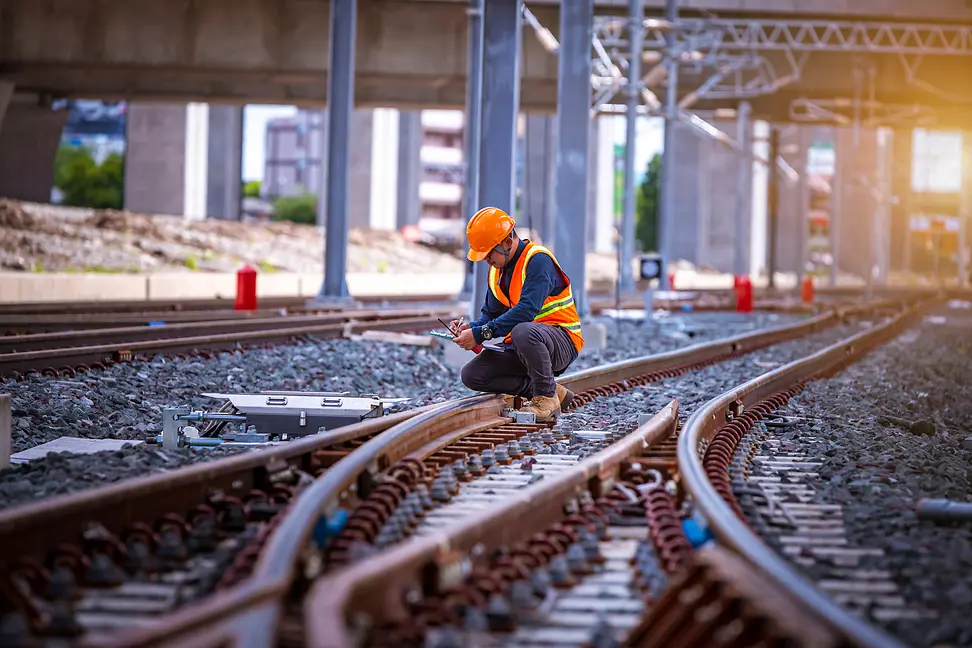
In Europe, meanwhile, Germany has announced a EUR 500 billion investment package: the Special Fund for Infrastructure and Climate Neutrality, to safeguard jobs and strengthen the domestic economy. Key investment areas include transport, hospitals, and energy- and digital infrastructure. There will also be a significant increase in defence spending.
LGT's experts analyze global economic and market trends on an ongoing basis. Our publications on international financial markets, sectors and companies help you make informed investment decisions.
And it's not just the German government investing. Private companies have launched their own "Made in Germany" initiative, under which 61 companies plan to invest EUR 631 billion in Germany by 2028 to boost innovation, employment, and competitiveness. This sum includes both planned and new investments in capital goods and R&D, with a three‑digit billion amount attributable to new investments.
It remains to be seen exactly when these commitments will translate into higher corporate revenues. Nonetheless, this is a very encouraging step.
Overall, GDP growth is expected to recover in 2026 in the globe's major regions. Combine this with structural growth and the release of pent‑up demand as investments are no longer postponed, and CapEx spending beyond AI is likely to recover and accelerate in 2026.
Rising investments in energy and resources could potentially benefit machinery, vehicle, and raw materials companies in the capital goods sector. Increasing demand for automation solutions could help firms offering products and systems to automate manufacturing. And higher infrastructure spending could potentially boost the prospects of companies that supply tools, components, and systems.
In short, both capital goods and infrastructure players appear potentially well positioned as CapEx moves beyond AI.