- Home
-
Private banking
-
LGT career

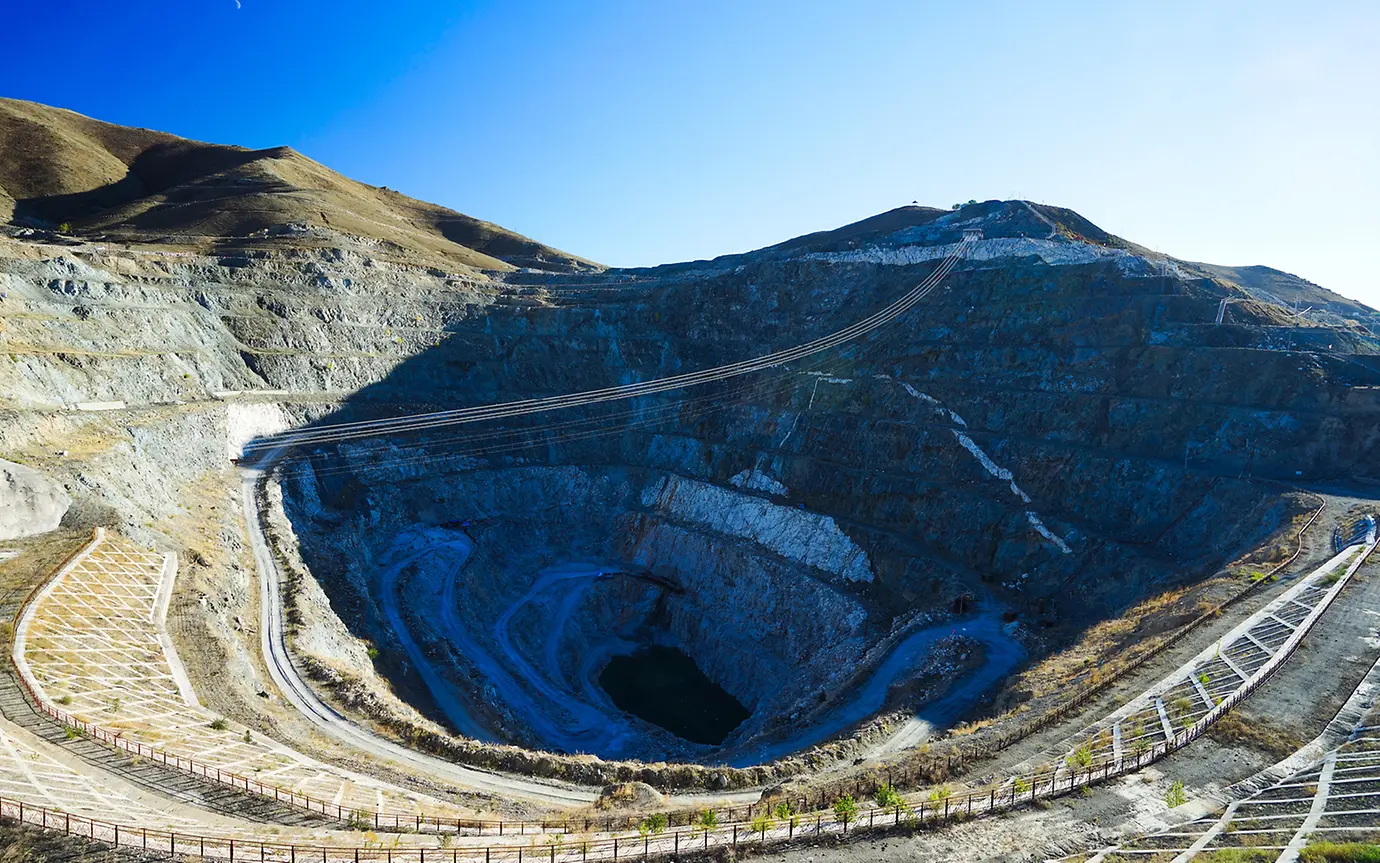
Metals like copper and cobalt, as well as rare earth minerals, are so critical for the green transition that potential shortages are already affecting the electrification supply chain.
Several powerful global trends are unfolding simultaneously: decarbonisation of the economy, the reshoring of industrial production, and the rapid rise of artificial intelligence (AI). What links them? Their enormous appetite for energy, specifically electricity.
After two decades of largely stable electricity demand driven by de-industrialisation in the USA and Europe, we're seeing a fundamental turnaround. BloombergNEF, a research firm specialising in the energy transition, estimates that global power demand will rise by 40 % over the next 20 years.
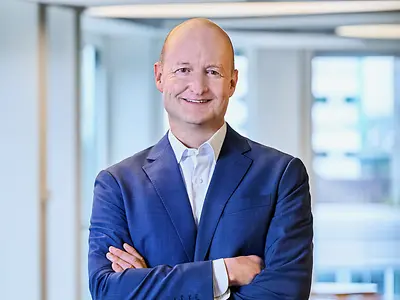
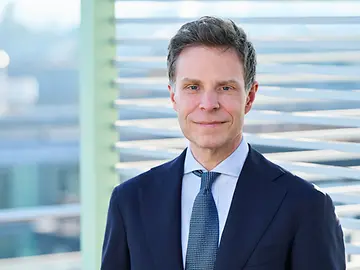
Georg Ruzicka oversees the thematic equity investing team in Europe. His focus is on developing and implementing innovative investment strategies driven by long-term societal and technological megatrends.
To meet this accelerating demand for electricity, the world is turning to renewable technologies like solar, wind, and hydrogen, which require more infrastructure than conventional power plants. Importantly, these technologies also need considerably more critical metals and minerals per unit of installed capacity, particularly those materials offering high conductivity, corrosion resistance, and temperature tolerance.
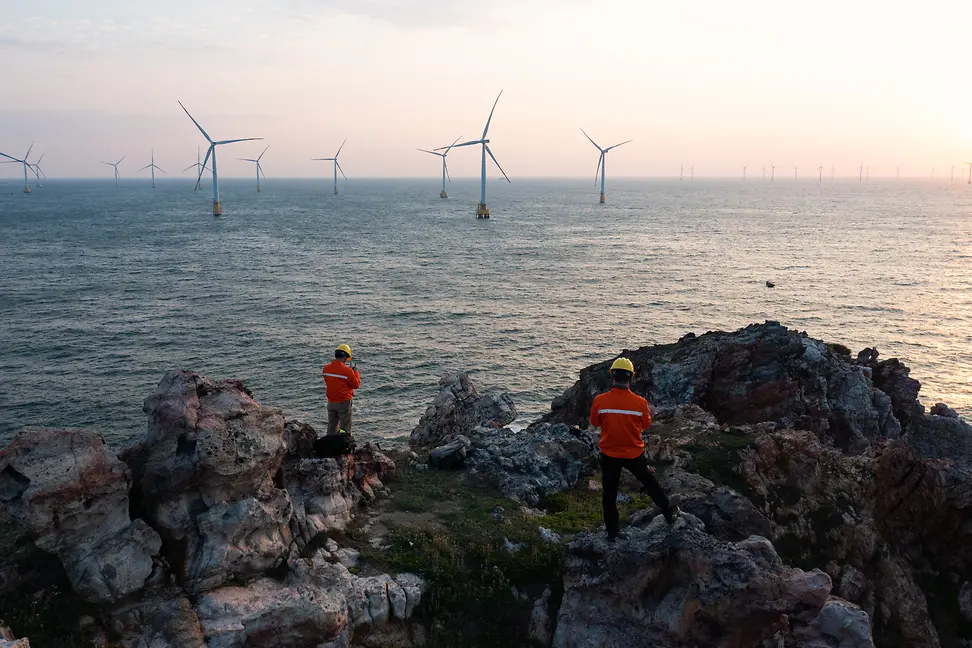
So what exactly are these metals and minerals? The list includes copper, nickel, platinum, lithium, cobalt, and the suite of 17 minerals known as rare earth elements.
Together we summarize them as 'transition materials', as they are vital to the green transition, enabling the expansion of energy and grid infrastructures, e-mobility and wind power, the roll-out of AI and data centres, and the technological upgrading of defence capabilities.
It's easy to see how demand for transition materials is growing. With almost 50 % of grid infrastructure in the USA and Europe more than 20 years old, replacement and expansion investments are happening simultaneously. Every additional kilometre of power lines directly translates into higher demand for conductive and durable materials, particularly copper and aluminium, for cables, transformers, and grid components.
Furthermore, fluctuating power generation makes storage solutions, ranging from stationary battery systems to hydrogen, essential for bridging the gap between when electricity is generated and when it's consumed. The growing development of wind and solar capabilities goes hand in hand with more demand for battery raw materials such as lithium, cobalt, and nickel.
LGT's experts analyze global economic and market trends on an ongoing basis. Our publications on international financial markets, sectors and companies help you make informed investment decisions.
Of course, the rapid worldwide increase in electric vehicles (EVs) is also important. Not only do the cars themselves require more in the way of transition materials, but their charging stations are also intensive users.
BloombergNEF estimates that the demand for key metals and minerals needed for energy transition technologies such as solar, wind, batteries, and electric vehicles could grow five-fold by 2050.
And here's the problem. It isn't demand; it's supply. There are limits to how quickly production can be scaled up. Long project lead times, geopolitical risks, rising production costs, and sluggish, geographically concentrated supply make critical metals and minerals the key bottleneck in the energy transition.
Large mining projects typically require ten to 15 years to move from initial exploration to commercial production, according to the International Energy Agency. And capital investments in commodity production have often been uncertain and fraught with environmental and human rights issues. All of which suggests that even with substantial investment today, additional supply won't be online before the 2030s at the earliest.
A small number of countries account for a large share of the global production of transition materials. What's more, extraction and refining are often concentrated in different regions, which leads to heightened geopolitical risk.
Rare earth elements are the exception here, but it's not good news: China controls both extraction and refining. What OPEC is to crude oil, China is to rare earths. This dual role can be used as a strategic lever - for example, using its rare earth dominance as a counterweight to US export tariffs and chip restrictions in 2025.

Recycling is often held up as the solution to resource scarcity. While it can become a significant source of supply in the long term, recycling can't solve current bottlenecks. It's true that metals like copper and aluminium, as well as many battery materials, can be re-used without significant loss of quality. But because many EVs, wind turbines, and data centres are brand new, there simply isn't enough material ready for recycling yet, and the infrastructure to support a full lifecycle process hasn’t been built.
Rare earths comprise a group of 17 chemical elements that, despite their name, are relatively abundant in the Earth's crust. Unfortunately, they are rarely found in concentrations that are economically viable to mine. The so-called heavy rare earths, like dysprosium and terbium, are rarer and more valuable than their light cousins, and are critical for high-performance applications.
The most important use for rare earths is in permanent magnets. But in fact, anything that converts motion into electricity, or electricity into motion, relies on rare earth minerals. Modern life is unthinkable without them. Consumer electronics, EVs, wind turbines, industrial motors, fighter jets, robotics, data centres - the list of uses is almost endless.
China not only produces 69 % of the world's rare earths, it controls over 90 % of global refining and magnet production. Even those countries that mine their own deposits are largely dependent on China for further processing. This dual concentration makes Western supply chains highly vulnerable.
By 2030, demand for rare earth minerals is expected to increase by up to 35 %, driven mainly by permanent magnets for electrification, renewable energy, and e-mobility. Rare earths are therefore at the intersection of the energy transition, technology, and geopolitics.
Although these critical metals and minerals are central to the current energy transition, they present significant environmental, social, and governance (ESG) challenges. On the one hand, copper, lithium, cobalt, and rare earths are indispensable inputs for technologies that enable renewable energy and increase energy efficiency. On the other hand, their extraction is often associated with significant ESG risks including environmental degradation, water scarcity, increased carbon emissions, the use of toxic chemicals, radioactive byproducts, as well as human-rights violations and social conflicts in mining regions.
Transition materials are central to many of the world's current trends and challenges: electrification, the AI boom, the re-shoring of industrial production, and the heightened focus on geopolitical security. Understanding the supply and demand for these important materials is, and will remain, critical for years to come.