
- Home
-
Private banking
-
LGT career
-
Market view and Insights

Recycling can relieve resource scarcity as well as reduce waste - and capacity is developing fast.

Renewable energy is crucial to global decarbonization efforts. And as current events show, in times of heightened energy insecurity and geopolitical uncertainty, it can also reduce supply-chain risk and enhance energy independence.
As one of the most cost-effective forms of electricity generation worldwide, renewables can also play a crucial role in meeting the expected surge in global demand for power from electric cars, data centres, and air conditioning over the next decade.
Yet renewable energy also brings new challenges. The dramatic fall in battery storage costs has led to a wider deployment of battery storage systems globally. Used alongside solar or wind farms, these systems help smooth the variability of renewable electricity generation while also stabilising the grid.
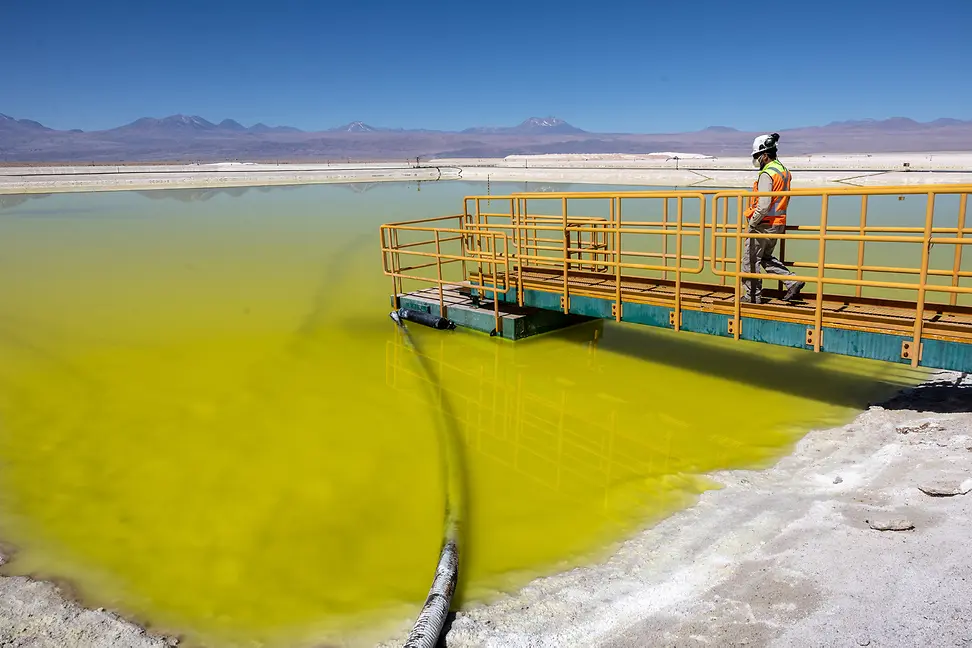
But the issue of waste disposal still looms large. Without concerted efforts to recover and recycle the materials used in their production, the disposal of old batteries, solar panels, and wind turbines will place a substantial burden on global ecosystems.
Batteries for both vehicles and stationary storage systems now have a longer lifespan, and vehicle batteries are also often reused in lower-cost battery storage systems, which extends their lifespan further. Even so, the volume of batteries requiring disposal is expected to increase significantly towards 2030 and beyond.
By the end of 2025, the global electric vehicle fleet stood at around 70 million vehicles and increased by 26% compared to the previous year and this is expected to grow by a further 12 % in 2026. Similarly, battery storage systems are expected to experience average annual increases of around 12 % up to 2035.

Cedric Baur is an equity specialist at LGT with a focus on sustainability, covering topics such as climate change, renewable energy, energy infrastructure, water and circular economy. The focus of his work is on companies in the energy, utilities, industrials and materials sectors.
Processes for recycling metals like steel and aluminium are well established. But the International Energy Agency (IEA) reports that this is not yet the case for many of the materials used in batteries for renewables, including lithium, cobalt, nickel, manganese, and graphite.
The IEA estimates that approximately USD 600 billion in mining investments will be required by 2040 to extract the materials needed for decarbonisation - and this is a conservative scenario.
However, this figure would be 30 % higher without significantly expanded recycling. Indeed, boosting the recycling capacity of critical raw materials could reduce demand for newly mined minerals by as much as 40 % by mid-century. It is also important to keep control over critical raw materials going forward. By reducing the need for the extraction and refining of virgin materials, recycling could also deliver wider benefits, including less land disturbance, lower water use and contamination, reduced tailings risks, and fewer social harms.
Recycling is becoming an increasingly important factor in securing the raw materials needed for the energy transition.
Fortunately, recycling capacity is expanding fast. This also holds true due to favourable economics, as the prices for lithium, cobalt or nickel are on the rise. Production scrap is expected to remain the largest source of recycling input before 2035. But as the first generations of batteries from stationary storage systems and electric vehicles reach the end of their service lives around 2030, the return of discarded materials is likely to increase. Indeed, energy research firm BloombergNEF expects the volume of recycled material to almost quintuple by 2035, especially from electric vehicles.
China, which already requires car- and battery manufacturers to participate in the management of waste from used batteries, handles around 80 % of the approximately 600,000 tonnes of recycled material available globally.
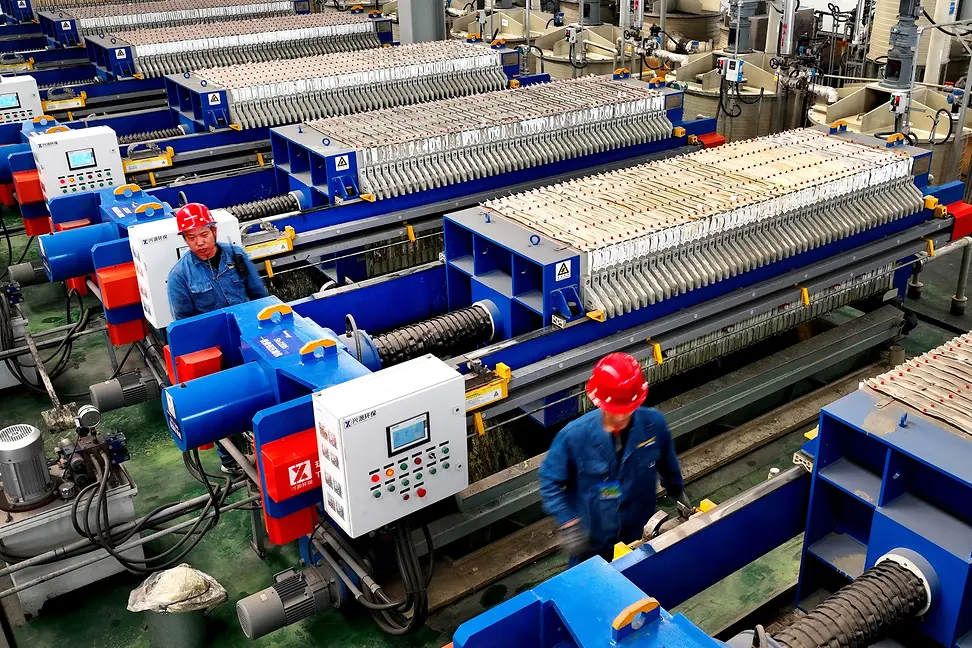
But global recycling shares are shifting as other countries and regions ramp up their recycling requirements and regulations. By 2035, BloombergNEF expects China's share to fall to some 65 %, while Europe's could rise from 9 % to about 15 %, and the USA's from 5 % to around 11 %.
Meanwhile, approximately 8 % of global demand for lithium is expected to be met by recycled materials by 2035, whereas the figures for cobalt and nickel are projected to be 31 % and 21 %, respectively.
While the current share of recycled lithium may seem small, this is due to the substantial increase in demand and shift in cell chemistry towards lithium iron phosphate (LFP) batteries, which require less cobalt and nickel. As a result, demand for cobalt and nickel will grow more slowly, allowing recycled materials to supply a significantly larger share of total demand in the future.
Perhaps most significantly, rising recycling rates highlight the importance of the relationship between primary extraction and the circular economy for the future supply of raw materials for renewables.
Operators in the battery recycling industry currently use two main methods for the recycling process: pyrometallurgy or hydrometallurgy. In China, hybrid forms of these processes are sometimes employed in order to recover as much material as possible from a battery.