- Home
-
Private banking
- Market view
- Insights
-
LGT career

Nature quietly underwrites the global economy, and investors are beginning to embed the material financial risks and dependencies associated into their investment decisions. We take a look at how biodiversity is reshaping stewardship - and where the opportunities lie.
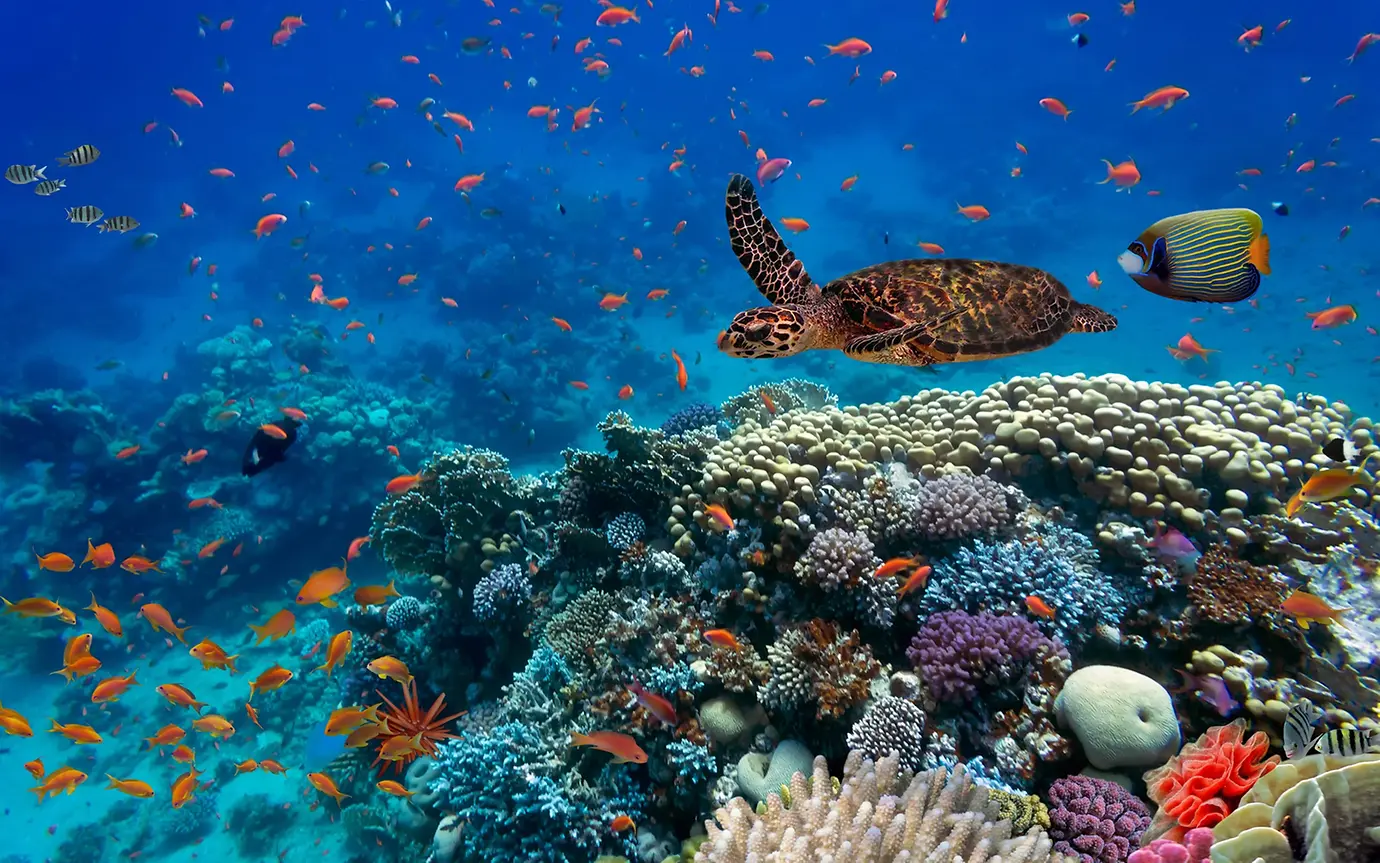
Nature has always underwritten global economies, quietly pollinating crops, keeping water flowing, protecting fragile coastlines against weather and providing the land required to feed billions of people. For a long time, investors treated this as background scenery rather than a direct business consideration. But, as nature and biodiversity loss accelerates in the face of climate change, investors are increasingly recognising that the degradation of ecosystems is not just an immediate environmental concern but a long-term economic and financial threat.
Declining agricultural yields, water scarcity, disrupted supply chains and diminished natural protection against extreme weather can all filter through into company earnings, sector performance and, ultimately, portfolio returns. It raises a big question now percolating around financial centres: How can investors assess and address nature risks and opportunities, such as ecosystem resilience and nature loss, within the investment process?
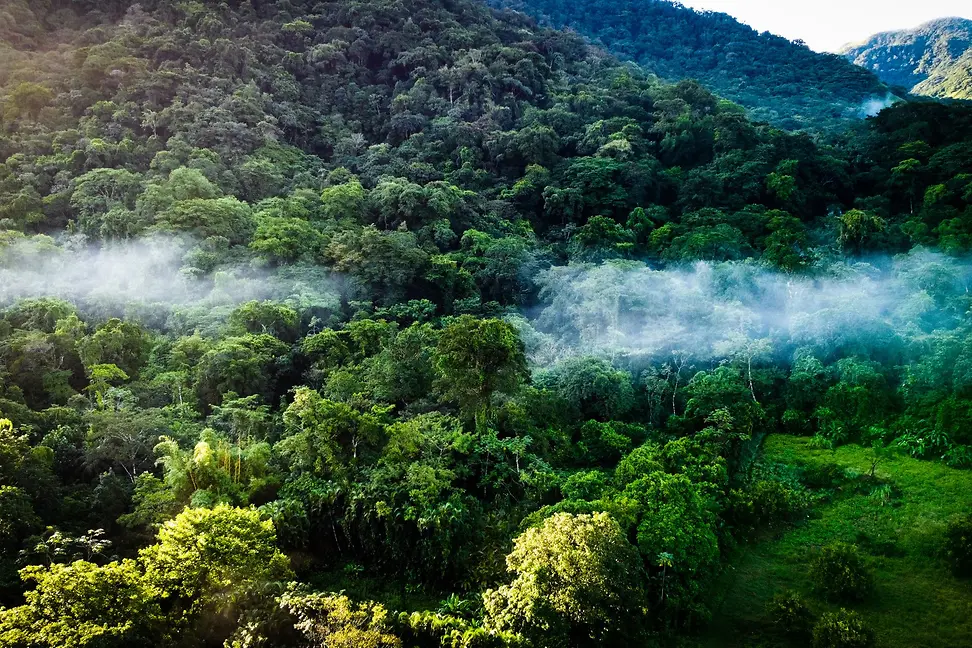
"Investing in nature is less about a single biodiversity fund and more about integrating nature-related risks and opportunities into engagement and stewardship across the existing portfolio", says Abigail Lendvai, Senior Stewardship Analyst at LGT Wealth Management. "In practice, that means asking more specific questions of companies than carbon ever required, because what matters looks completely different by sector and region."
In the financial world, nature is shifting from an emerging sustainability topic to a core consideration in understanding long-term resilience.
LGT Sustainability Manager Elias Quaderer adds: "There is no single solution to nature loss, and investors are still building the tools and experience needed to respond. What matters now is to start integrating nature into decision-making, learning from the data available and building on that progress over time."
Carbon emissions can be measured, aggregated and compared using a single common unit: tonnes of CO2. Nature offers no such convenience. Food and agricultural companies depend, for example, on land use, water availability and soil health; a manufacturer or an infrastructure operator faces a very different set of pressures. The absence of any universal nature metric means engagement has to be tailored to the underlying investee company.

Despite that complexity, Lendvai says progress is arguably now exceeding expectations. “If anything, the market has moved on this even faster than it did on climate, but we're all still very much on a journey”, she feels.
Quaderer notes that in the financial world, nature is shifting from an emerging sustainability topic to a core consideration in understanding long-term resilience. The field is still at an early stage, he says, but better data and more consistent frameworks are giving investors a stronger basis for action. "We can also see rising attention from other financial institutions as well as from the regulatory side."
Much of that momentum can be traced to the emergence of formal disclosure frameworks, chief among them the Taskforce on Nature-related Financial Disclosures (TNFD), Founded in 2021 by a host of financial institutions, corporates, and market services providers, it operates alongside the Task Force on Climate-related Financial Disclosures (TCFD), which dates to 2015. It gives companies a common structure for reporting on their nature-related risks and dependencies, offering investors a basis for comparison.
Carbon has a standard unit of measurement. Nature does not.
"Investors are educating themselves on the intricacies of the natural world", Lendvai says, singling out LGT’s Partnerschaft von LGT Private Banking mit NatureAlpha. as an example. The London-based group, which was also founded in 2021 and aligns with the TNFD, uses datasets, AI-assisted analysis and geospatial information to help investors assess potential nature-related risks, dependencies and impacts. "It gives us a way to navigate that complexity as the broader data landscape matures", Lendvai adds.
If carbon's advantage is its universality, the challenge that nature presents is that its impact is inherently local. A water-stressed facility in one river basin might face a completely different risk profile to an identical facility a hundred kilometres away in a basin with better supply. "Carbon has one common metric, nature doesn't and never will in the same way", Lendvai says.
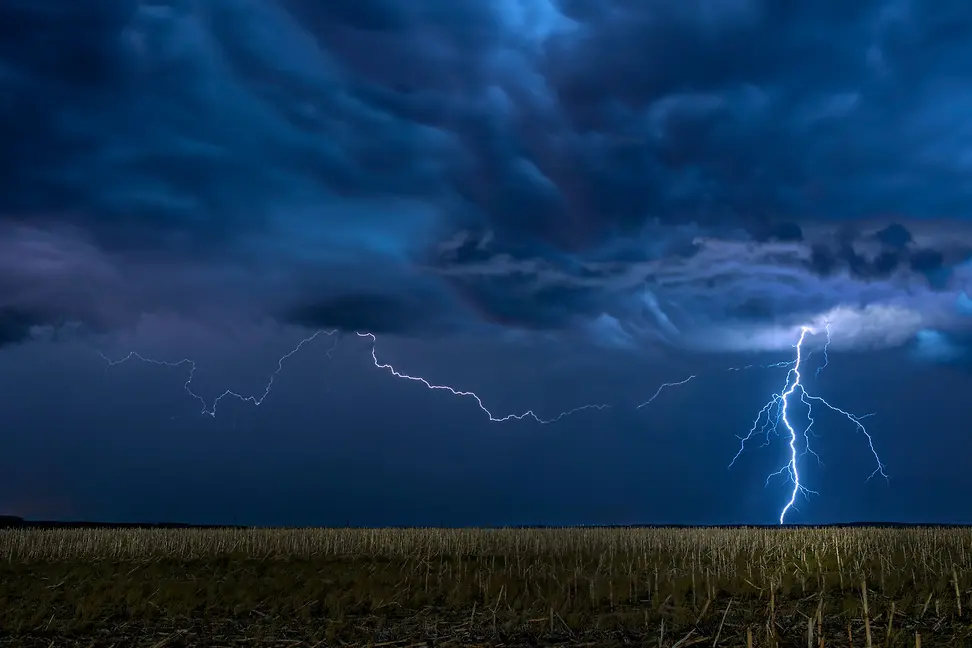
That locality creates real gaps in what is available. A significant share of the nature data currently in circulation is modelled or estimated, rather than reported directly by companies, and the specific data points that matter shift dramatically depending on the sector. For an investor trying to build a consistent, comparable view of nature-related risk across a diversified portfolio, that inconsistency is a potential obstacle.
Even so, Lendvai points to meaningful advances. Beyond the disclosure improvements driven by TNFD, geospatial data tools have begun to fill the gap left by patchy corporate reporting. This was a big part of the thinking behind LGT's decision to partner with NatureAlpha rather than relying solely on what companies choose, or are able, to disclose themselves.
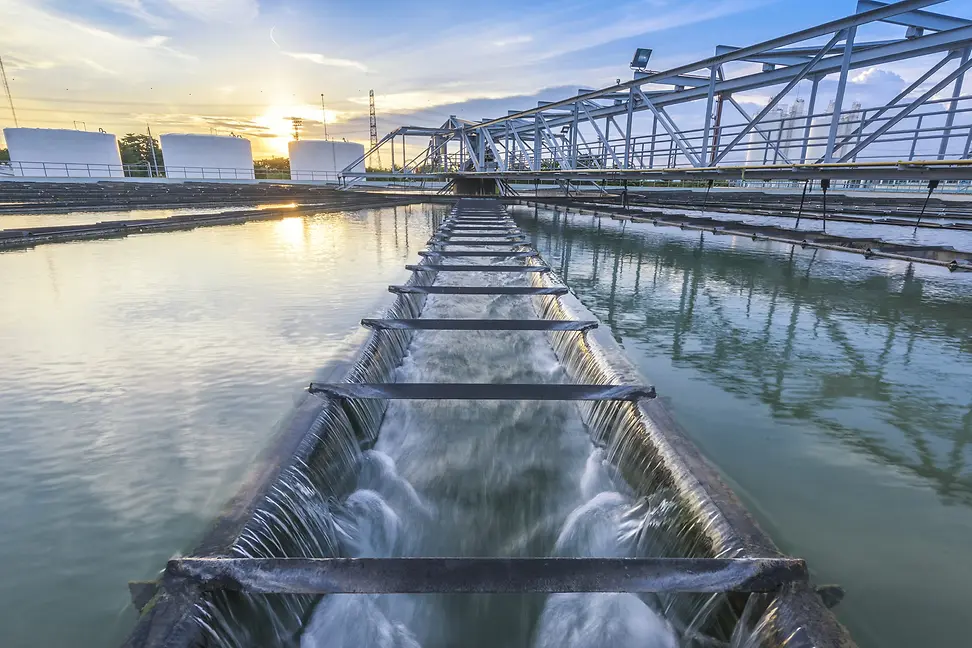
"The risks are becoming very tangible, very quickly", she says. "Water is probably the clearest example right now - it's no longer an abstract environmental consideration; it's a real operational constraint."
She points to the data centre boom as a stark example. As AI-driven demand for computing capacity surges, so does the water and energy required to cool that infrastructure. Increasingly, companies are having to prioritise new sites with water availability. The same physical limits are showing up elsewhere too - in agriculture, manufacturing, and even within parts of the energy transition, where land and water constraints are starting to bite.
But Lendvai sees an opportunity as well as a risk: "Companies that get ahead of this, for example through water efficiency or better site selection, may be more resilient and, in some cases, better positioned competitively as these constraints tighten for everyone else."
LGT's own investment stewardship approach prioritises nature and biodiversity as one of its four stewardship pillars, reflecting their importance to ecosystem integrity, climate resilience and long-term economic stability. In addition to being a signatory to the "Finance for Biodiversity Pledge" since 2022, LGT joined "Nature Action 100", a global investor-led initiative pushing for greater corporate ambition on nature and biodiversity loss, the following year.
Today, LGT co-leads collaborative engagements with Nestlé and Novartis through that initiative, a role that, Lendvai says, brings real advantages. "Our position within these engagements gives us a level of access and insight into nature-related business practices that many investors do not have", she says. "We engage directly with specialists within these companies who have spent years developing innovative approaches to issues such as regenerative agriculture and water use, and we bring these insights back into our engagements with other companies."
In its 2025 Stewardship Report, LGT details an engagement with the Swiss pharmaceuticals company Roche, whose global manufacturing footprint depends on resource-intensive processes that can strain local water systems. Using NatureAlpha's geospatial data, LGT mapped Roche's facilities against key water basins and identified several sites, including three in China, located in areas of elevated water pollution and ecosystem sensitivity.
Combined with Roche's own internal water impact assessments, this analysis helped LGT prioritise Roche for engagement and push for clearer governance, targets and disclosure on its water and biodiversity risks. Progress has been constructive, with a greater internal awareness and continued investment in wastewater treatment, though measurable biodiversity targets and fuller transparency on high-risk sites remain a work in progress.
"This remains a fast-moving field, and maintaining close contact with that expertise is central to keeping our own approach well-informed," Lendvai says. For LGT, that ongoing exchange between data, specialist insight and company dialogue is helping turn biodiversity from an emerging risk area into a more practical focus for long-term stewardship.