- Home
-
Private banking
-
LGT career
-
Market view and Insights

Generation Z is starting to take on leadership roles in family-owned companies. Along the way, it is questioning long-standing ideas about work, leadership and responsibility - without dismissing the importance of hard work and results. What does that mean for succession in family businesses?

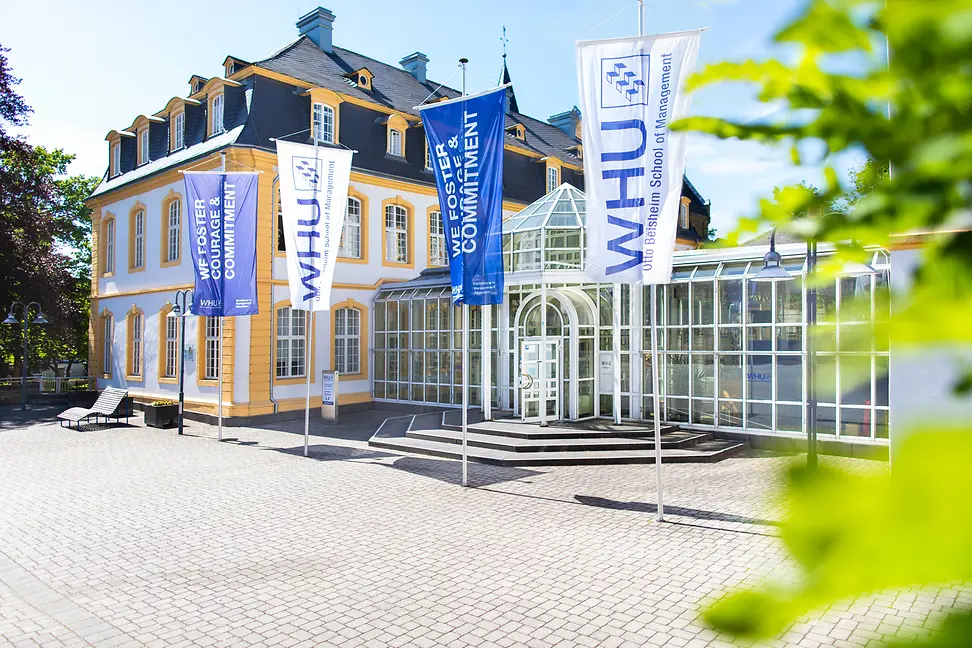
The courses Jens Fischer has taken at university have names like Managing the Family Business and Value Creation in Family Firms. The 27-year-old is currently pursuing a master's in entrepreneurship at WHU Otto Beisheim School of Management in Vallendar, Germany. His ambition is clear: one day, he wants to run a family business. It could be the property management company his mother has led for the last 30 years, or another one altogether.
Fischer is well acquainted with the assumptions made about his generation. Born between 1995 and 2010, Generation Z is often portrayed as more interested in work-life balance and four-day weeks than in hard work and results. According to the stereotype, they avoid responsibility, lack resilience and are overly sensitive.
"These kinds of blanket judgements miss what is actually going on in the world of work," says Fischer. Performance, he argues, still matters - but it is no longer treated as an end in itself. Questions about health, personal development and long-term prospects have become part of the conversation. "It's not about working as little as possible," he says. "It's about working in a way that is sustainable over time."
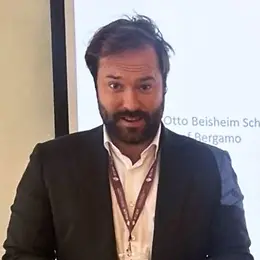
Julian Schenkenhofer has been following the Gen Z debate for some time. He is an Assistant Professor at WHU. "The discussion in the media about Gen Z's work ethic is often exaggerated and unnecessarily emotional," he says.
There are, he acknowledges, contexts in which young people today place less emphasis on productivity than earlier generations did. "But if you look at potential successors in family businesses, the picture is different," he says. "There's very little change. Their work ethic is as strong as it ever was." In other words, he argues, Gen Z is not a homogeneous group, and their willingness to perform is an important differentiator.

That becomes clear when he speaks to students who are expected to take over the family business one day. Many feel the weight of that expectation. "These are people who are acutely aware of their responsibility and want to preserve both their company's and family's traditions," he says. At the same time, some are less willing to sacrifice themselves unconditionally, as earlier generations often did. That, he points out, doesn't necessarily have to be a bad thing: "They know their limits better, and that reduces the risk of burnout."
The "Center of Excellence for Entrepreneurial Families" is a joint initiative of LGT Private Banking and WHU - Otto Beisheim School of Management. Positioned at the intersection of academic research and business practice, it focuses on current issues relating to entrepreneurial families, succession and household finance.
While Gen Z-bashing may be popular, companies cannot afford to ignore this generation. Leadership talent is becoming scarce. In 2024, the Foundation for Family Businesses in Germany reported that by 2027, 43% of family-owned companies would face a transfer of ownership or shares. Forty-two per cent of the companies surveyed had yet to identify a successor from within the family to take over the business.
That matters, because this generation brings fresh momentum and has a lot to offer, says Schenkenhofer. Many think globally and have excellent language skills and intercultural competence. They grew up with tablets, social media and artificial intelligence. "This creates opportunities," he says, "because it gives employees greater freedom to shape how they work. Structures are less rigid."
Like every generation before it, Gen Z brings new expectations into the workplace - although many companies are only beginning to recognise them. "For a large share of Gen Z, work is closely tied to a sense of purpose," Schenkenhofer says. "That often includes social or environmental concerns."
What, then, makes a company attractive to Gen Z? Fischer is clear about what he would look for when applying for a leadership position. "The most important thing is purpose," he says. "What difference does my work actually make for customers or for society?" These are the questions his generation wants answered.

He also pays close attention to how leadership is exercised. "I want to be able to ask the business owner questions and get feedback," Fischer explains. That doesn't mean rejecting hierarchy. "I want to be understood, and I want to understand why certain decisions are made."
Fischer believes that the old culture of closed-off leadership is fading. "Leadership is becoming more accessible, more informal," he says. "And that builds trust."
Schenkenhofer sees a similar shift. "Gen Z places a strong emphasis on teamwork and wants to be involved more democratically in processes and decisions." This makes open communication between Gen Z and older business leaders essential, especially during succession. In particular when it comes to company goals, values and long-term vision. "It's important to approach each other with respect and to listen to each other."
As Gen Z steps into leadership roles, corporate communications is changing too. "Our generation lives digitally," Fischer explains. "If companies want to attract young talent, they have to give them authentic insights into what working there actually looks like via social media," he says.
He points to companies such as Duolingo and Ryanair, which are unapologetically "digital first". "They speak openly about everyday working life, they connect directly with their target audience and come across as approachable - even when they show their flaws."
Still, there are limits. In 2022, Verena Bahlsen, then 29, attracted attention when she announced on LinkedIn that she was leaving the Bahlsen Group just one year after joining the company as Chief Mission Officer. "I was standing in a wheat field with our CEO and had a panic attack. In meetings, I often burst into tears," she wrote.
Will this kind of openness become more common? Schenkenhofer is cautious. "Cases like this do occur, but it's not typical," he says. "In most entrepreneurial families, succession remains a collective process."
But it's not just companies that need to adjust to Gen Z. The process cuts both ways. Hierarchies, for example, often criticised by younger generations, remain strategically important, Schenkenhofer says. "Gen Z should feel free to adopt existing structures where they are proven to work and make sense."
Fischer agrees. "Perseverance, long-term thinking and loyalty - these are strengths that older generations bring with them," he says. "In the end, it's a joint learning process."