
- Home
-
Private banking
-
Market view e Insights

Contemporaries called Henrietta "Hetty" Green a miserly eccentric - yet her disciplined approach to investing made her one of the richest people of her time.
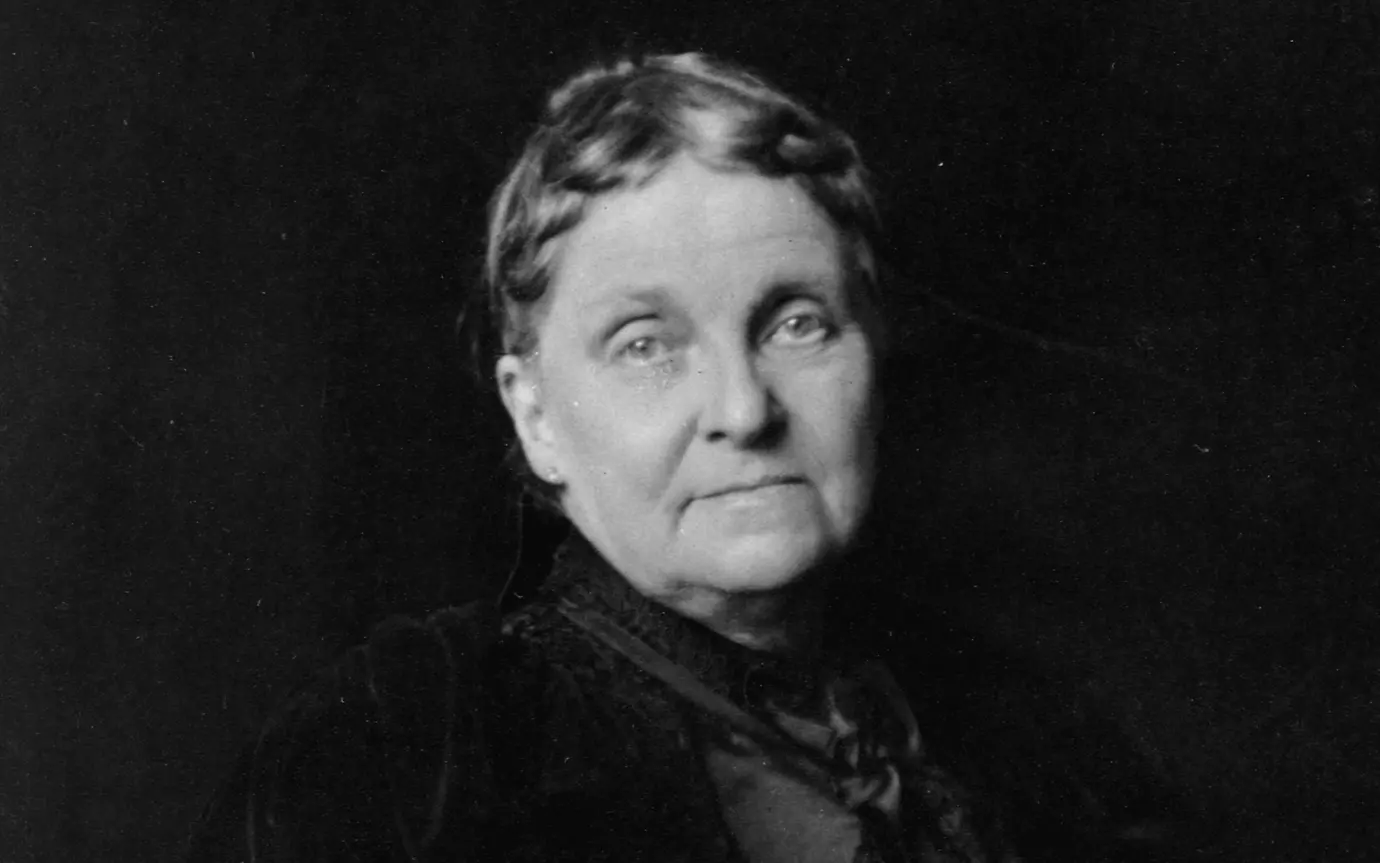
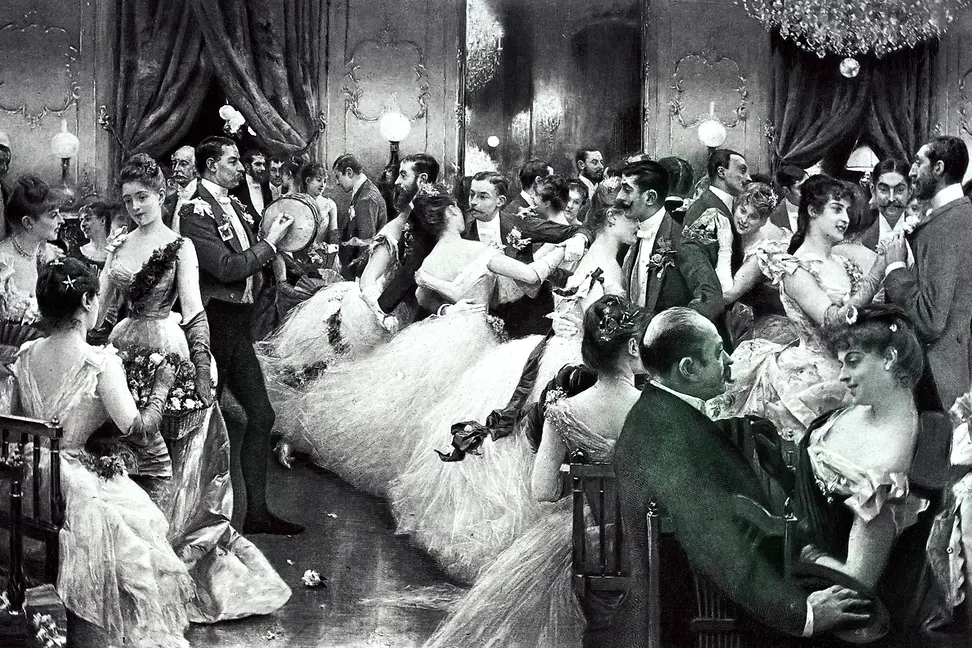
Henrietta "Hetty" Howland Robinson Green may not be as well-known as Andrew Carnegie, John D. Rockefeller, or JP Morgan. But of all the great fortunes made in America's Gilded Age, the period of rapid economic expansion between the 1870s and World War 1, Green's was arguably the most remarkable - not least because of her gender.
At a time when women had no legal identity, Green took personal control of her money and proved a shrewd and highly successful investor in railroads, real estate, mortgages, and government bonds.
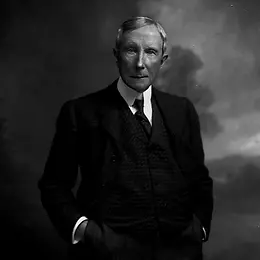
Always a contrarian, "buying when everyone wants to sell and selling when everyone wants to buy", she was also an early practitioner of value investing. This is the investment philosophy embraced by Warren Buffett and developed in its modern form by Buffett's mentor, Benjamin Graham.
While Rockefeller and Carnegie built monopolies, Green took advantage of the Gilded Age's speculative excess. She famously predicted the financial panic of 1907, and thanks to the large cash position she had amassed by then, helped to bail out both Wall Street and the City of New York.
By the time she died in 1916, she had made a fortune estimated to be worth almost USD 6 billion in today's money. Proof positive, as she put it, that "It is the duty of every woman to learn to take care of her own business affairs."
After her younger brother died in infancy, Green, who was born in November 1834 in the whaling port of New Bedford, Massachusetts, became heiress to a significant fortune. Her father, Edward Mott Robinson, was a Quaker from the richest whaling family in a city made famous as the setting for Herman Melville's "Moby Dick". He made sure she was prepared to manage it.
At the age of two, she was sent to live with her maternal grandfather, Gideon Howland, then head of the family firm, and her aunt Sylvia Ann Howland. In their household, encouraged by her grandfather, she developed a keen interest in finance.
By the time she hit puberty, she had become the family bookkeeper. What's more, the personal thrift that became her trademark was soon very much in evidence.
According to The Telegraph newspaper, when Green was 20, her father bought her "a wardrobe full of the finest dresses of the season…in order to attract a wealthy suitor". The young woman, however, had other ideas. She sold her new wardrobe and bought government bonds with the proceeds. Her father was reportedly rather delighted. But the social pressure to find a suitable spouse was relentless.
At the urging of her aunt, she reluctantly moved to New York where, in May 1865, she finally became engaged to her future husband, Edward Henry Green, rich in his own right from business dealings in China.
While her father approved of the match, he was determined to ensure that she could keep control of her money. Under the legal doctrine of "coverture" in place at that time, a husband assumed all his wife's rights and property. But Green's father's will specifically stated that her inheritance was to be "free from the debts, control or interference of any such husband".
Green, indeed, secured what may rank as the world's first prenup, although she still had to rescue her free-spending husband on numerous occasions before he finally went bankrupt in 1885. At that point the couple, who had a son and daughter together, finally separated.
When her husband died in 1902, Green nevertheless donned mourning clothes, including "a heavy swathing of black veil" according to one of her biographers.
Her severe attire led contemporary newspapers to dub her "the Witch of Wall Street", an image exacerbated by the fallout from a lengthy and unsavoury court battle over her Aunt Sylvia's will, which Green ultimately lost - and sustained, no doubt, by resentment of her wealth and independence.
As Hetty Green's wealth grew, so did the stories about her.
Claims that she did not use hot water, only changed her underwear after it had fallen apart, and ate nothing but oatmeal warmed up on her office radiator, were among the more sensational stories in circulation.
But perhaps the most hurtful tales involved her son, Edward. It was said that she refused to pay for her children's medical care, causing Edward to lose a leg.
Edward, however, later denied this rumour, telling The New York Times: "Much has been printed about my mother that is untrue. She has been represented as being parsimonious; but such is not the case. She has worked harder than any man in New York."

The financial panic of 1907, a seismic event that led eventually to the creation of the Federal Reserve System, gave Green an opportunity to showcase the investment skills she had developed as a result of all that hard work.
Unlike most Wall Street financiers, she claimed to have seen the situation developing three years previously. "I said the rich were approaching the brink, and that a 'panic' was inevitable."
When that panic began in October 1907, Green lent liberally both to failing banks and to the City of New York to get them through the crisis.
She bailed out New York City on several occasions, in fact. And was able to do so, according to Janet Wallach's 2012 biography "The Richest Woman in America: Hetty Green in the Gilded Age", because "when everyone was buying and borrowing, she put her money into cash and earned safe returns on her dollars".
Safety first may have been Green's investment watchword. But her courage should surely be her epitaph.
Warren Buffett might have been describing how Green made her fortune when he said, "Cash combined with courage in a time of crisis is priceless." And in an era when women were systematically excluded from business life, Green's achievements were all the more remarkable.
Her reputation for harshness was based on her independence, outspokenness, and disdain for conspicuous consumption. Probably also on objections to a woman becoming a successful investor. Green, however, always had the courage to live as she chose.