Few cities balance contrasts quite like Bangalore - unhurried yet ambitious, deeply rooted yet constantly reinventing itself. Aisha Singh of LGT Wealth India shares a portrait of the city she proudly calls home.
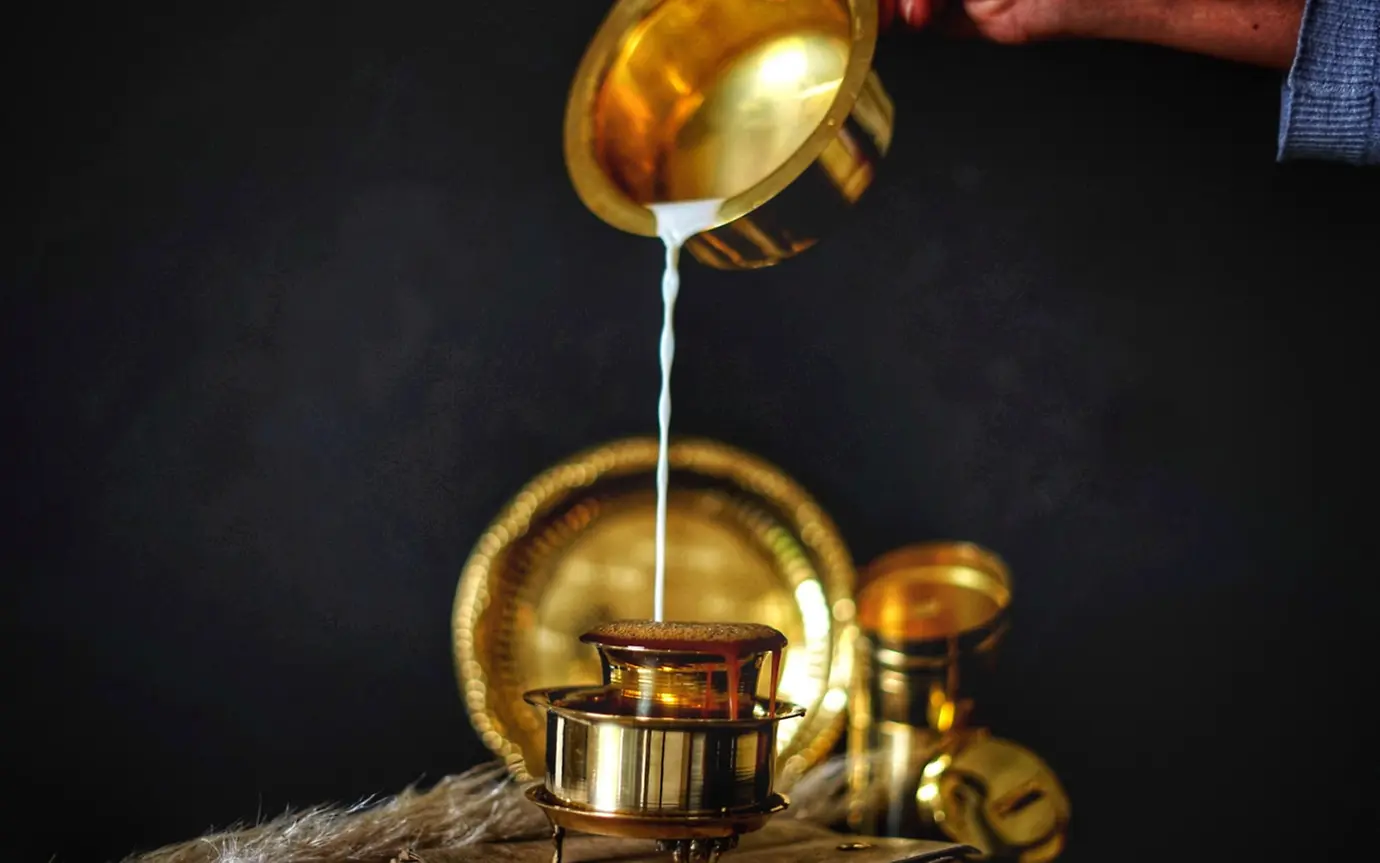
In Bangalore, the day doesn't begin with an alarm. It begins with aroma - an intense, steam swirl rising from the brass filter on the kitchen counter. The city, like its coffee, doesn't rush. It drips. Slowly. Strongly. By the time it settles into a steel tumbler, it's no longer just kaapi. It's memory, language, protest, and poetry rolled into one.
Aisha Singh from LGT Wealth India, walks you through her city.
And like that first sip, Bangalore grows on you - unexpectedly, unmistakably, and irrevocably.
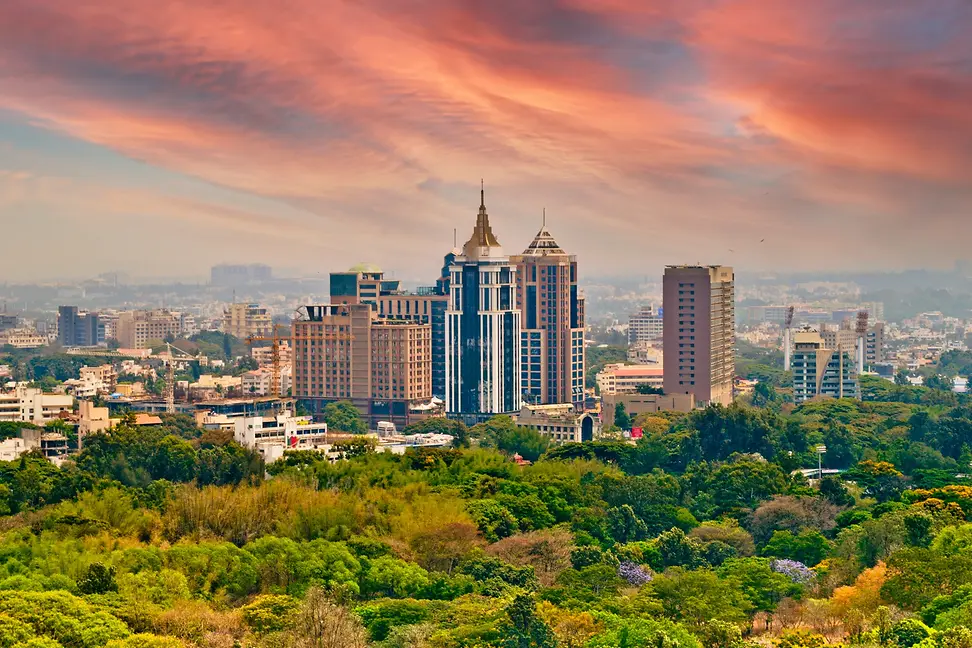
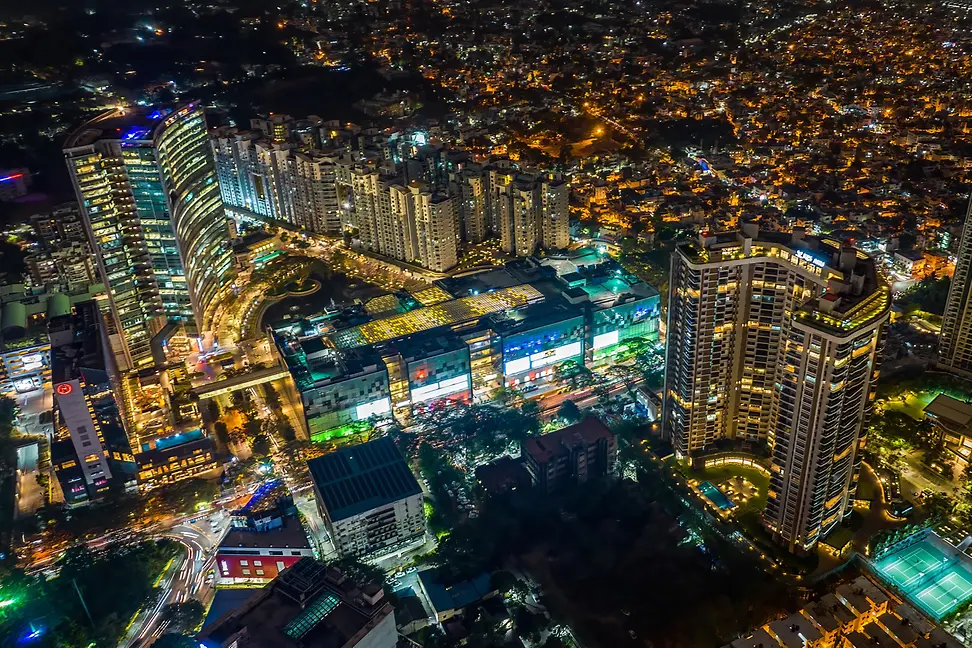
But here's the paradox: how does a city nicknamed "slow" also happen to be India's Silicon Valley? How does the same place that perfected the art of leisurely filter coffee also birth unicorns like Flipkart, Swiggy, Cred, and Ola out of nowhere?
Living here is a bit like brewing filter coffee. You begin with legacy, grind in the present, wait patiently, let it foam, and then - when it all comes together - you soak it in.
Let me walk you through my city, a sip of kaapi at a time.
The brass filter: Foundations that hold
There's a certain weight to a brass filter. Sturdy. Quiet. Familiar. Like the parts of Bangalore that still smell of jasmine, agarbatti, and wet earth, of Basavanagudi's slow mornings and Malleswaram's echoing corridors where three generations still argue over the same breakfast table about everything from cricket to cryptocurrency.
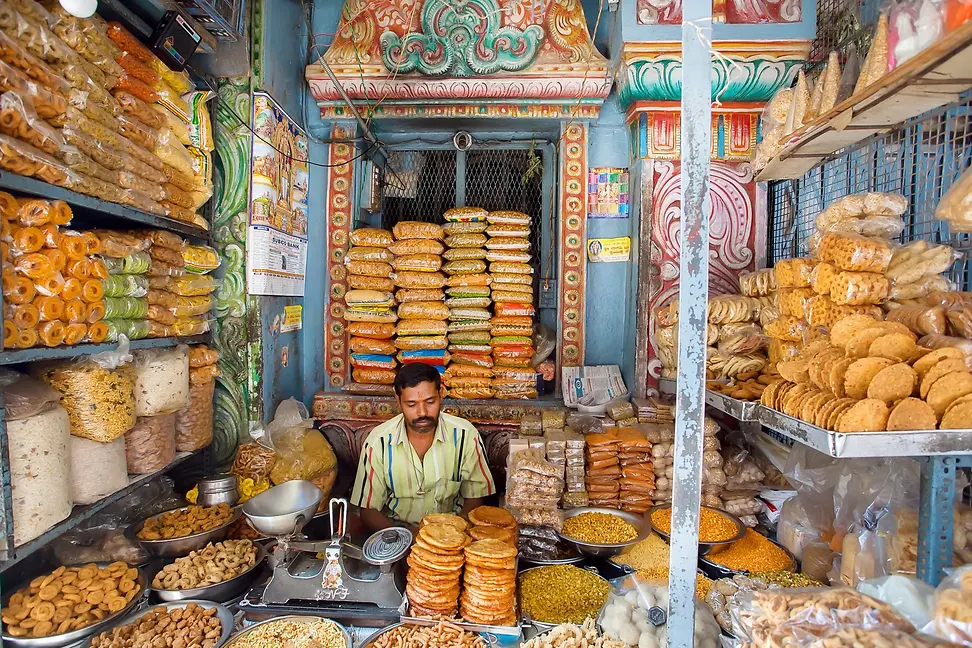
Long before IT parks and microbreweries, this was where governor Kempe Gowda founded the city. His 16th-century watchtowers still stand as quiet stone markers, while the old Pete areas remain a maze of commerce and kinship. In Chickpet, silk saree traders whose families have been here since Tipu Sultan's time now accept UPI payments. In Avenue Road, spice merchants who once weighed cardamom in brass scales now run WhatsApp groups for bulk orders.
This is Bangalore's secret: It doesn't replace its past - it layers the future on top.
The fresh grind: Where heritage meets hustle
There's something unmistakable about the smell of freshly ground coffee - sharp, eager, alive. Bangalore reinvents itself every morning, but it never throws away the old beans.
The British left us with tree-lined cantonment roads and the Bangalore Club (where Churchill's unpaid tab supposedly still sits in the ledger and the notice board). The public sector years brought HAL, ISRO, IISC, BEML, and BHEL - where scientists and engineers shaped rocket dreams over sambhar rice and built India's space programme between filter coffee breaks. Then came the IT boom.
But here's what makes Bangalore different from other tech hubs: the startup founder pitching to VCs in a Koramangala café is probably the son of an ISRO scientist, and his co-founder might be the daughter of a Mysore silk weaver. This city breeds first-generation entrepreneurs not despite its traditional roots, but because of them.
At Vidyarthi Bhavan, you'll find venture capitalists waiting in the same queue as retired professors, both after the same masala dosa that's been made the exact same way for 75 years. The waiter who serves them has probably overheard more million-dollar deals than most boardrooms.
The slow drip: Fast city, old soul
Real filter kaapi is never instant. You must wait as the decoction drips - one drop at a time, dark and slow. This is where Bangalore's paradox lives: a city that is at once fast and slow, traditional and modern, local and global - coding the future even as it remembers how to pause.
Yes, we built India's Silicon Valley. Yes, our startups move at Silicon Valley speed. But we also preserved something most metros lost - the art of taking time.
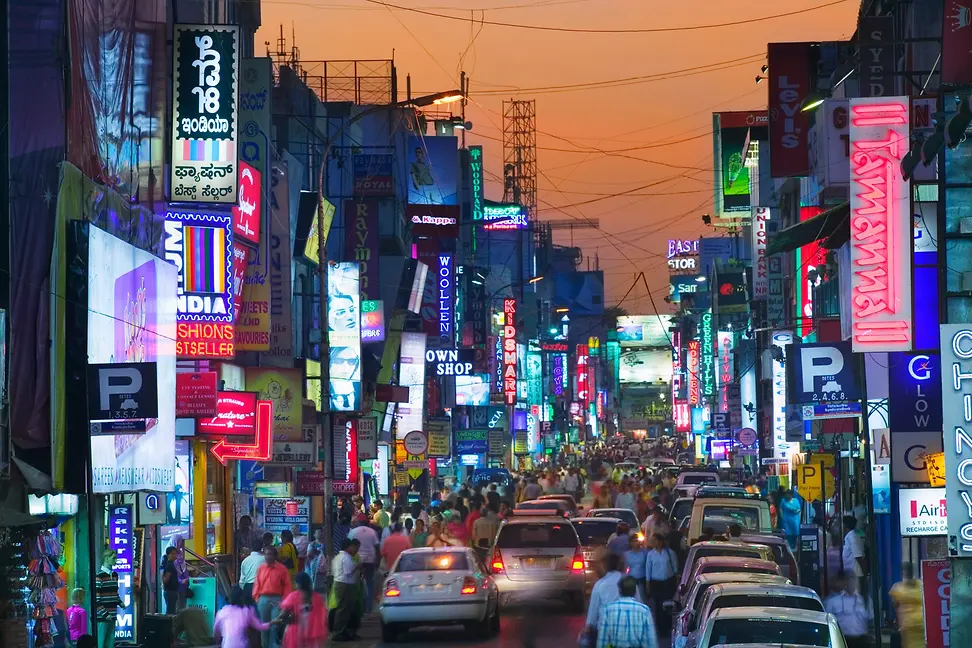
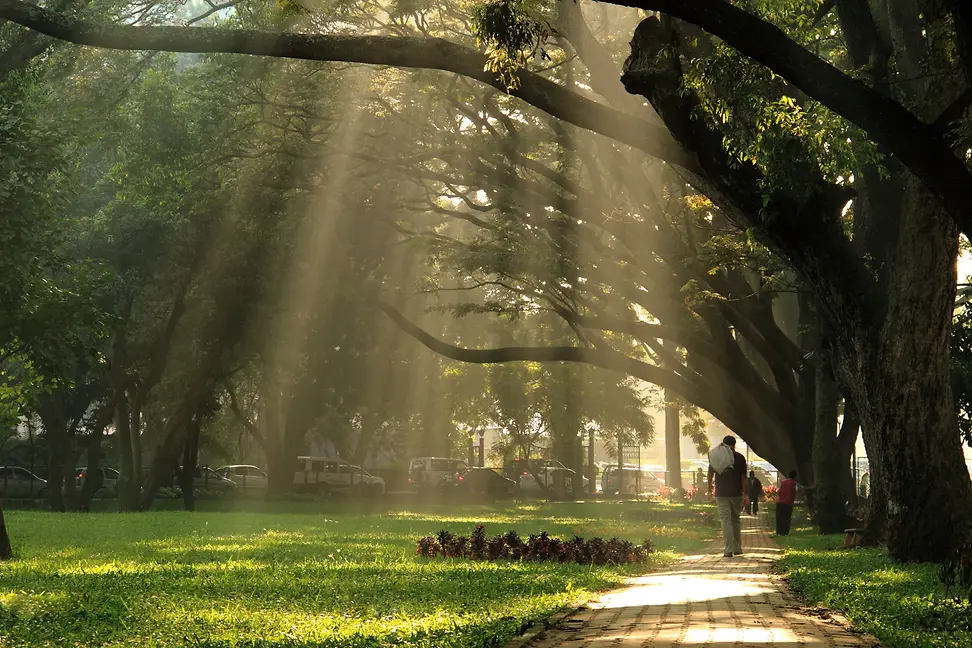
Waiting in metro queues that snake past cobblers who'll fix your shoes while discussing the latest funding round. Waiting under rain trees in Cubbon Park where techies jog past classical musicians practicing for evening concerts. Waiting for the jacaranda to bloom purple in March while stuck in Silk Board traffic, where auto drivers still hum Rajkumar songs and give directions based on temples, not GPS.
The city operates on what locals call "Bangalore time" - which isn't about being late but about making space for conversations that matter. Here, a coffee meeting can easily become a three-hour discussion about everything from quantum computing to Carnatic music.
The boiling milk: Where worlds collide
Milk, when it boils, needs your full attention. Bangalore is no different. Beneath its seemingly calm surface, something transformative is always happening.
This is where you'll find Infosys founders discussing philosophy with street food vendors who've just launched their own delivery apps. Where AI researchers grab breakfast at Shri Sagar CTR alongside software engineers who still go home for their grandmother's lunch. Where the same person coding machine learning algorithms by day is learning Bharatanatyam by evening.
The city's food culture tells this story perfectly. Bangalore didn't just adopt global cuisines - it created its own fusion. Korean-Indian tacos exist here. So do dosas stuffed with Tibetan momos. The masala dosa at MTR tastes exactly like it did in 1924, while a restaurant three streets away serves liquid nitrogen ice cream.
This isn't cultural confusion - it's cultural confidence. Only a city secure in its identity can be this experimental.
The final mix: The art of belonging
Now comes the mix - decoction and milk, poured back and forth to create perfect froth. It's a small performance, just like the city itself.
Walk through any Bangalore neighbourhood and you'll see this daily choreography. In JP Nagar, retired professors trade sudoku tips with fresh graduates debating AI ethics. In Gandhinagar, a silk trader pauses mid-bargain to take a call about the future of the IT industry. Prospective in-laws ask for your LinkedIn profile, and then about your horoscope.
The rhythm looks chaotic - veena lessons drifting through walls above a craft beer taproom, or a cloudburst halting traffic only for strangers to share umbrellas and gossip. But like filter coffee, it works because the ingredients come together with care. Decoction needs milk, the pour needs patience, and the froth needs a gentle hand. So too with Bangalore: its openness, its warmth, its softness. This is a city that doesn't reject outsiders but folds them in - offering comfort, belonging, and the quiet reassurance that, here, you'll always find a place at the table.
The first sip: Why Bangalore works
And then, the sip.
Strong. Sweet. Aromatic. It quenches, it livens, it makes you go back for a second sip - and then long for more. That's Bangalore.
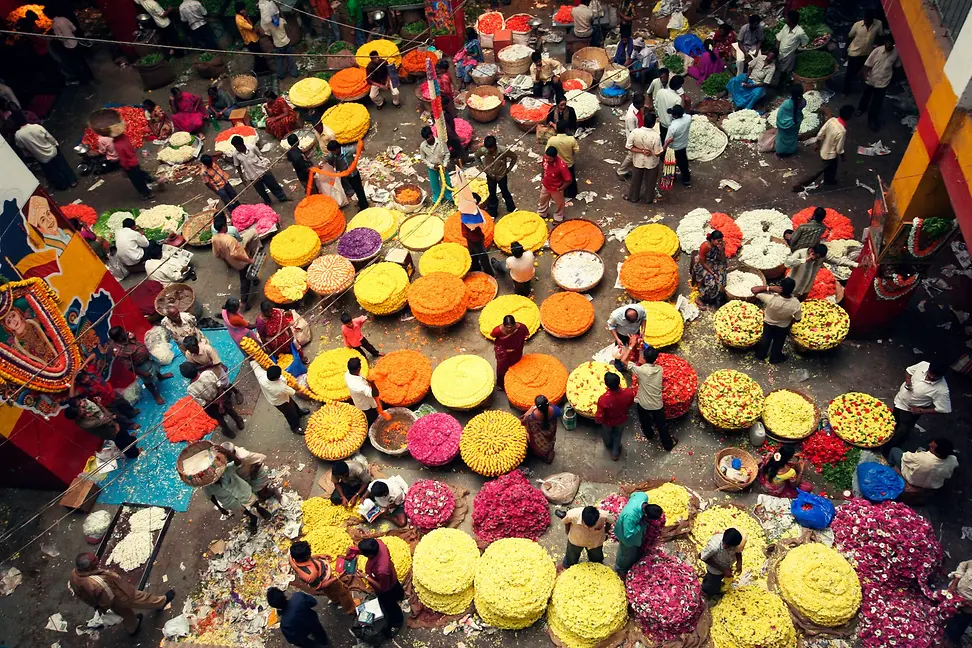
It's not a city that announces itself loudly. You live here for months before realising it has quietly claimed you - through the auto driver who remembers you as the "madam who goes to Forum", the tree whose shade you unconsciously choose each morning, or the flower vendor who always saves your favourite jasmines.
This is why first-generation entrepreneurs thrive here. It's not just about the ecosystem or the talent pool - though both are world-class. It's because Bangalore gives you permission to be ambitious without forgetting where you came from. To move fast without losing your soul. To think globally while staying grounded locally.
The city's greatest strength isn't its speed or its slowness - it's its ability to hold both simultaneously. Like filter coffee itself: traditional method, modern precision, timeless taste.
Here, you don't just build companies. You build a life that makes sense - one that honours the past, embraces the future, and finds time for really good coffee in between.
About the author
Aisha Singh, LGT Wealth India
Aisha Singh is a Senior Marketing Manager at LGT Wealth India, where she helps shape how the firm tells its story across platforms. Born in Japan - the birthplace of matcha - and raised in Bangalore, she has a natural affinity for cultures that blend heritage with modernity. She likes to tread the line between drink and dessert when it comes to coffee, and believes everything from a chicory-rich South Indian filter kaapi to a well-made Biscoff latte deserves equal seriousness.
Related content
Perspectives and society
My Salzburg: A city of rogues, symphonies and aesthetes
Salzburg may be best known as Mozart's birthplace, but that's only one of the many things that makes it special. LGT Bank Österreich's Günther Zembacher offers an insider's view of the many other highlights that give the city its unique character.
Perspectives and society
Sparkling, please: Champagne, bubbly & Co.
In the third episode of "Sip & Sparkle", sommeliers H.S.H. Princess Marie von und zu Liechtenstein and Lisa Bader discover sparkling wines from around the world.
Perspectives and society
My Adelaide: Sunsets, Shiraz, serendipity
Adelaide's secret is its calm energy; it's a city where you never rush, savour every sunset, and discover world-class culture and cuisine.
Investment strategies
Why mobility is critical for megacities - today and tomorrow
In our densely packed urban centres, transport is the backbone of the economy and everyday life, but it needs to become more efficient, sustainable, and inclusive.