- Home
-
Private banking
-
LGT career

Power grids are the lifelines of the modern economy, yet ageing infrastructure is struggling to keep pace with surging electricity demand.
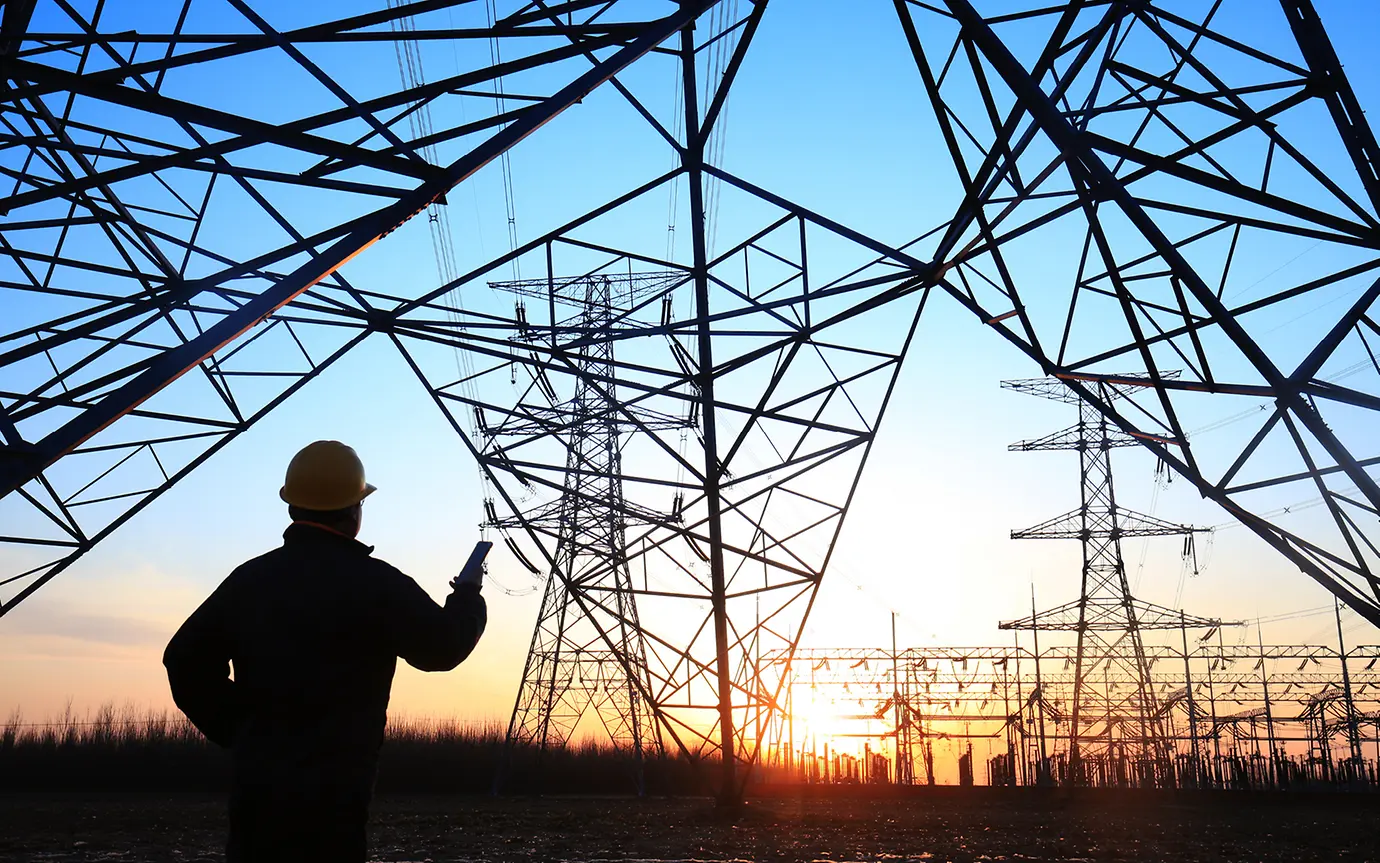
It's no surprise that the demand for electricity is booming, as the age of electricity has already begun. Electrification, combined with the decarbonisation of power generation, is essential for the global expansion of renewable energy. But can electricity generation keep pace with rising demand while decarbonisation continues?
The critical component here is electrical infrastructure, and the question is whether the existing infrastructure can deliver sufficient capacity and resilience to balance supply and demand. The answer is probably not - unless there is significant investment. What's needed is a major power grid expansion, but also a significant replacement of ageing infrastructure, which in turn means plenty of opportunities for companies that supply grid components and the related planning, expansion, and maintenance services.
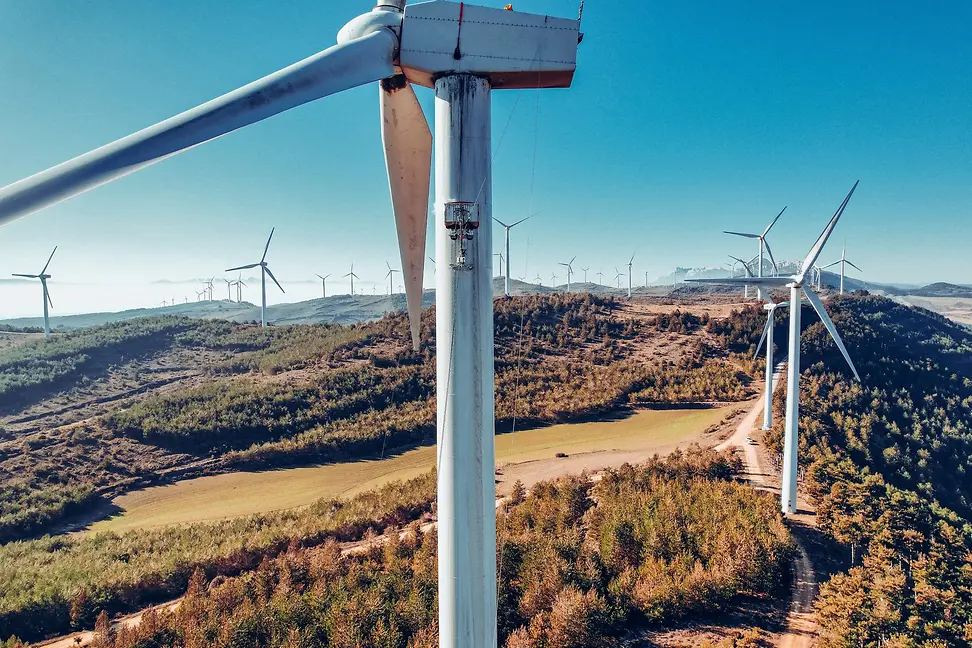
Electricity plays an increasingly important role in our daily lives and the functioning of the global economy. According to BloombergNEF, an energy research firm, global electricity consumption is expected to rise by approximately 30 % by 2035. This increase is equivalent to China's entire electricity consumption in 2024.
The main drivers of demand are, unsurprisingly, the electrification of buildings, electric cars, data centres, industry, and air conditioning systems. Data centre demand in particular will grow about three times faster than the overall market. Only electrified transport is expanding more rapidly. While still a small proportion of overall consumption, demand in this sector is set to surge fivefold by 2035, driven largely by the increase in the number of electric cars on the roads.
Another significant aspect of the electrification journey is the decarbonisation agenda. According to the International Energy Agency, the proportion of electricity generated from fossil fuels worldwide will fall from 60 % in 2024 to 40 % in 2035. Meanwhile the amount of solar and wind energy generated will rise from 15 % of the total today to 40 % in 2035. The rest will be supplied by nuclear and hydropower.

Cedric Baur is an equity specialist at LGT with a focus on sustainability, covering topics such as climate change, renewable energy, energy infrastructure, water and circular economy. The focus of his work is on companies in the energy, utilities, industrials and materials sectors.
Even with decarbonising the power supply, global electricity generation will be sufficient to meet overall demand. However, this will vary greatly from region to region. In China, for instance, a massive expansion of energy sources over the next few years means that the country will likely continue to operate with a safety margin of 80 % to 100 %, with more power generation capacity available than needed even at peak load times. In Europe, by contrast, safety margins could move close to zero by 2029, which indicates a real risk of possible blackouts. The current safety margin in the USA is about 30 %, however in high demand centres such as Texas, safety margins could become negative as early as 2027 already. Another example how critical new power generation and grid equipment will become in the years ahead.
The transition to renewable energy is putting the spotlight on power grids and related infrastructure. The electricity supply map looks very different when the generation does no longer come solely from centralised fossil fuel, nuclear, or hydroelectric power plants.
Nowadays, electricity can be produced far from consumers, for instance by offshore wind farms or solar parks in the desert. It's also generated by consumers themselves using rooftop solar panels, or solar parks with battery storage next to factories and data centres. As a result, electricity no longer flows just from producer to consumer; it's also fed into the grid by end-users. So the grid needs the flexibility to deal with bi-directional flows of electricity.
The next energy breakthrough is not about producing more power, but moving it.
Renewable power generation is also more dependent on weather conditions. The sun doesn't always shine, nor the wind constantly blow. Peaks and troughs in renewable energy output need to be balanced to maximise the potential of these energy sources. For example, if more electricity is generated than existing transmission lines can carry, congestion occurs and the system operator has to redirect the flow, which can be very costly. Therefore the grid needs to become smarter to avoid costly bottlenecks but also more flexible to deal with variable power flows.
Variable power generation is only one element of pressure on today's electricity infrastructure. Perhaps even more important is the fact that existing grids, particularly in Europe and the US, are quite old, with half of them in place for over 20 years. Building new power lines including the necessary equipment has become expensive and is subject to extensive planning and approval processes. As a result, much of the existing infrastructure is no longer fit for purpose.
LGT's experts analyze global economic and market trends on an ongoing basis. Our publications on international financial markets, sectors and companies help you make informed investment decisions.
Today over 90 % of global grids are distribution grids, which operate at medium and high voltage, and are used to deliver electricity locally to industry or households. However, the future system will also require significantly more transmission capacity: long‑distance, ultra high‑voltage lines capable of transporting large volumes of power from remote renewable generation sites and meeting the peak demand of major industrial customers and data centres.
Despite the broadly recognised need for additional transmission infrastructure, expansion has been slow. In some parts of California, for example, new data centres have to wait several years for a grid connection, due to the lengthy approval process, shortages of skilled labour, as well as long delivery times for key equipment such as transformers.
Given the need to renew and expand the grid and its associated components, a significant increase in investment is expected in the coming years, likely to exceed previous levels. In this environment, companies that can supply components for power grids, or provide related planning, expansion, and maintenance services, may benefit from the increased investment in grid expansion and transformation.
As renewable energy deployment and global electricity demand continue to grow, the importance of stable and reliable grids is increasing accordingly. In the context of the ongoing electrification, rethinking and upgrading power grids is emerging as both one of the central challenges and one of the most compelling opportunities of the coming decade.