- Home
-
Private banking
-
Market view and Insights

Renewables can form a key part of Europe's long-term energy solution, but imported fossil fuels still power most EU activities, creating short-term challenges.
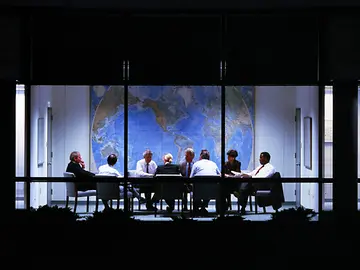
With the Iran conflict and the resulting blockade of the Strait of Hormuz, Europe is facing its second major energy supply squeeze in five years - with predictable consequences. Energy prices are soaring, companies face compressed margins, and governments are trying to cushion the inflationary blow.
It's never been clearer that the supply and cost of energy is a matter of national security. For Europe, which cannot meet its own needs for fossil fuels, a reliable supply of energy is essential for transport, communication, infrastructure, and defence. At the same time, energy supplies must be affordable to support the region's industrial competitiveness - and the purchasing power of its consumers.

Cedric Baur is an equity specialist at LGT with a focus on sustainability, covering topics such as climate change, renewable energy, energy infrastructure, water and circular economy. The focus of his work is on companies in the energy, utilities, industrials and materials sectors.
Greater energy independence makes renewables an important route to improving energy security, affordability and emissions performance.
Europe's energy mix has been changing towards renewables for decades. In 1965, coal and oil accounted for roughly 90 % of Europe's primary energy consumption. The following decades saw natural gas and nuclear power erode this dominance. Thanks to new technologies, renewables started gaining a foothold in the late 1990s. By 2024, renewables (excluding nuclear) accounted for 22 % of Europe's primary energy consumption, a share that continues to rise rapidly, despite the common criticisms of renewable energy.
Since 2000, the region has continued to expand economically, along with increasing electrification, but its energy demand has plateaued. Although some of Europe's energy intensive industry was outsourced to developing countries, much of what remains has become more efficient. Buildings and appliances now meet stricter standards, industrial processes have been optimised, and vehicles consume less fuel or became fully electric.
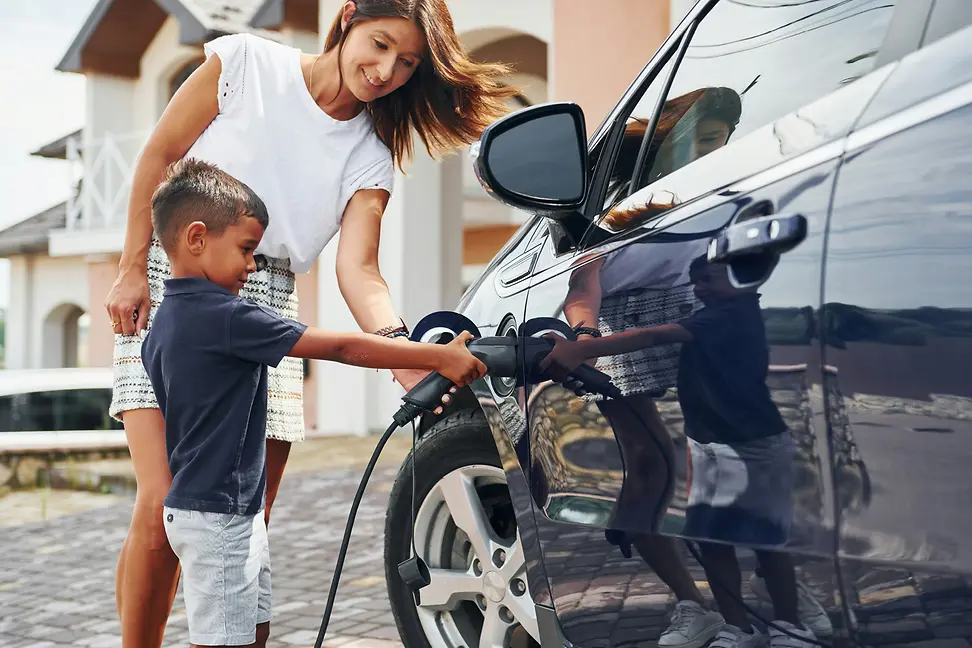
The increasing use of electricity and broad deployment of renewables also make the energy system more efficient because conversion losses through waste heat, exhaust, and friction, are avoided. For instance, petrol-powered vehicles lose seven times more energy than electric ones when converting energy into motion.
Europe is far from the limits of electrification. According to energy think tank Ember, 22 % of the EU's energy demand was electrified in 2023, with another 67 % potentially available to become electrified using established technologies like electric vehicles and heat pumps. Norway already has a 47 % electrification rate.
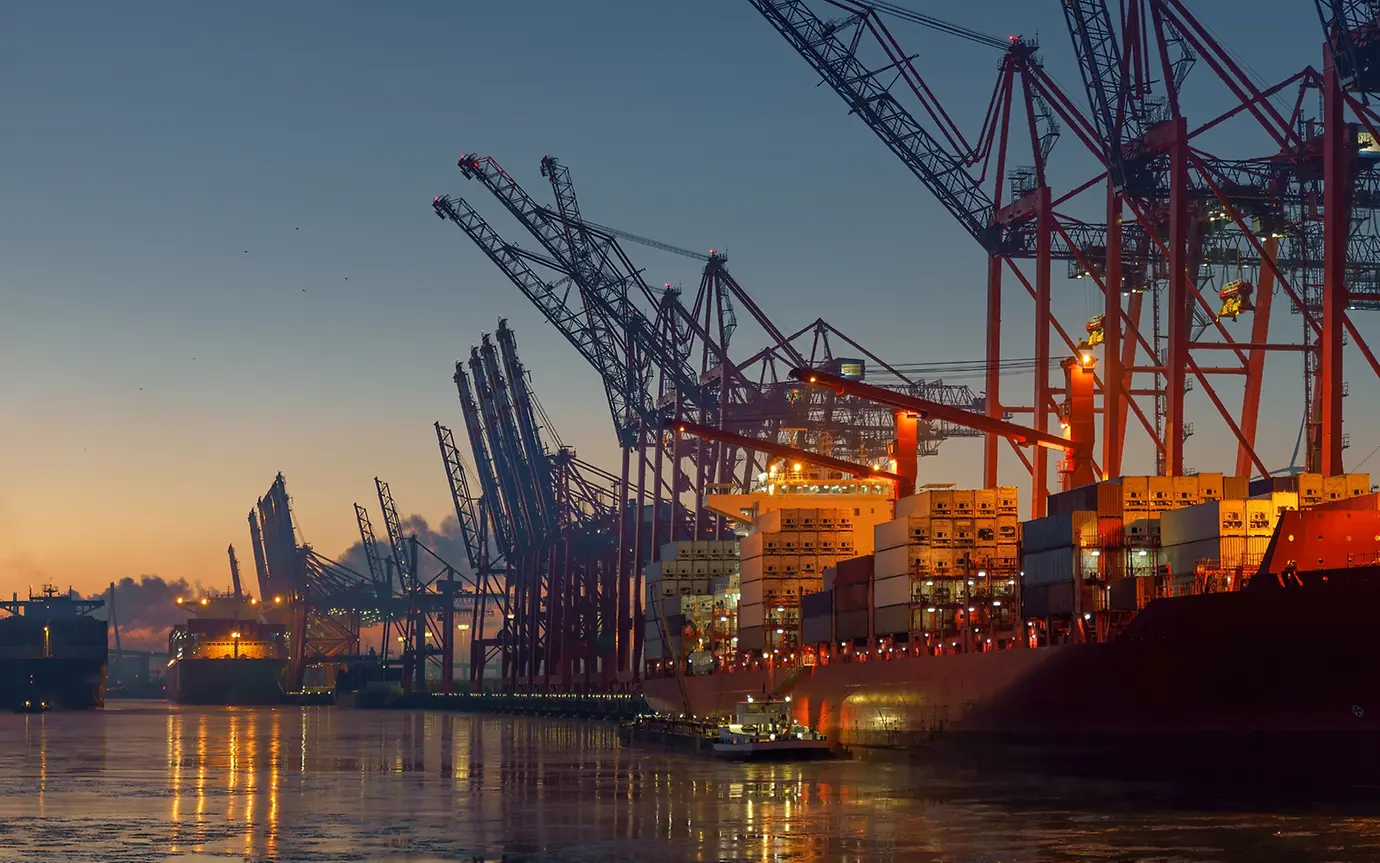
All this good news aside, the EU still runs largely on imported energy. About 97 % of its oil, 85 % of its natural gas, and 34 % of its coal is sourced from abroad. The dangers of this situation were clearly highlighted when Russia invaded Ukraine and Europe had to rapidly reduce its dependence on Russian energy supply.
Energy resilience has improved, but Europe has not eliminated its vulnerability entirely. The closure of the Strait of Hormuz is a reminder that a global oil supply shortfall of 10 % can trigger substantial price increases. Because prices for oil and gas are set on global markets, and long-term supply contracts have flexible prices, supply shortages are always felt around the world, not just by the recipients of disrupted deliveries.
European countries have little protection against these fluctuations. The natural gas they keep in storage is to smooth out seasonal demand, not to act as a buffer against major supply shortages. Their three-to-four-month strategic oil reserves are intended for severe emergencies and are only hesitantly deployed in situations like the closure of the Strait of Hormuz.
Europe's energy challenge is no longer just about emissions - it's about resilience.
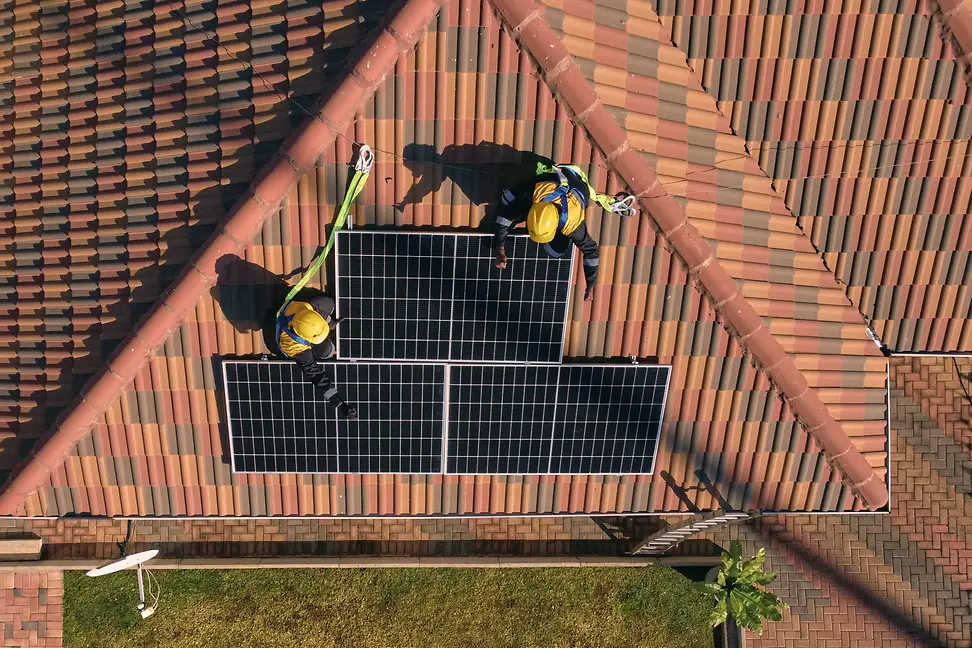
Renewables offer some protection but are not free of external dependencies. Critical components of for solar plants and battery storage systems rely heavily on imports from Asia, for instance. However, any interruption to the supply of these would primarily affect future construction. Installed wind farms, solar parks, hydropower plants, and battery systems would continue to operate, potentially reducing exposure to imported fuel supply shocks compared with fossil fuels. In addition, electricity markets are far more regional than global fossil fuel markets, meaning they are more resilient against geopolitical shocks.
Europe's dependence on fossil fuels isn't just a strategic vulnerability, it's a costly one as well. Even in 2020, a year of low prices and weak demand, the EU spent USD 167 billion or 1.1 % of GDP on net fossil fuel imports. In years like 2022, which had higher prices, the bill rose to roughly USD 600 billion or 3.5 % of GDP.
If Europe were to eliminate its reliance on fossil fuels, it could redirect around USD 300 billion a year, or about 2 % of GDP, from energy imports to renewable energy investment or other priorities. While this may not be realistic in the short term, any onshoring of domestic energy generation would shift value creation back into Europe, leading to more research, industrial activity, and employment in economies struggling with modest growth.
The economics of power generation have changed profoundly as technological progress and scaling have driven down the costs of solar, onshore wind, and batteries. At the same time, carbon pricing and geopolitical fragmentation have increased the effective costs of conventional electricity generation. In some cases, it is now more expensive to continue operating old coal plants than to build new renewable capacity.
The energy transition is becoming as much an economic opportunity as an environmental necessity.
The energy debate isn't only about average prices, it is also about price volatility. Sudden and severe swings are difficult for both businesses and households to absorb. While renewable-based power systems can face strong price fluctuations due to intermittent wind and solar output, these can be managed through storage, demand response, and grid expansion. All of which can be handled within Europe to create a more independent and resilient energy system.
LGT's experts analyze global economic and market trends on an ongoing basis. Our publications on international financial markets, sectors and companies help you make informed investment decisions.
By contrast, geopolitical shocks that impair fossil fuel supply are typically beyond Europe's control. A well-managed system that relies more on domestic renewable generation could therefore provide more price stability. Renewables are not without trade-offs, including grid integration challenges, storage needs, permitting constraints, and dependence on imported components, but they can reduce Europe's exposure to volatile fossil fuel imports over time.
EU policymakers have responded to the challenges of the past few years by introducing initiatives aimed at accelerating the green energy transition and strengthening resilience. Both the Russia/Ukraine war and the Iran crisis have reinforced the message that fossil fuel dependence is not just a climate issue, but a strategic vulnerability.
Unless a new low-cost, low-carbon energy technology emerges, the shift towards renewables is likely to accelerate further. What was once primarily an emission reduction approach is now also a strategy for lower energy costs, greater resilience, and more domestic growth.