- Home
-
Private banking
-
LGT career

Salzburg may be best known as Mozart's birthplace, but that's only one of the many things that makes it special. LGT Bank Österreich's Günther Zembacher offers an insider's view of the many other highlights that give the city its unique character.
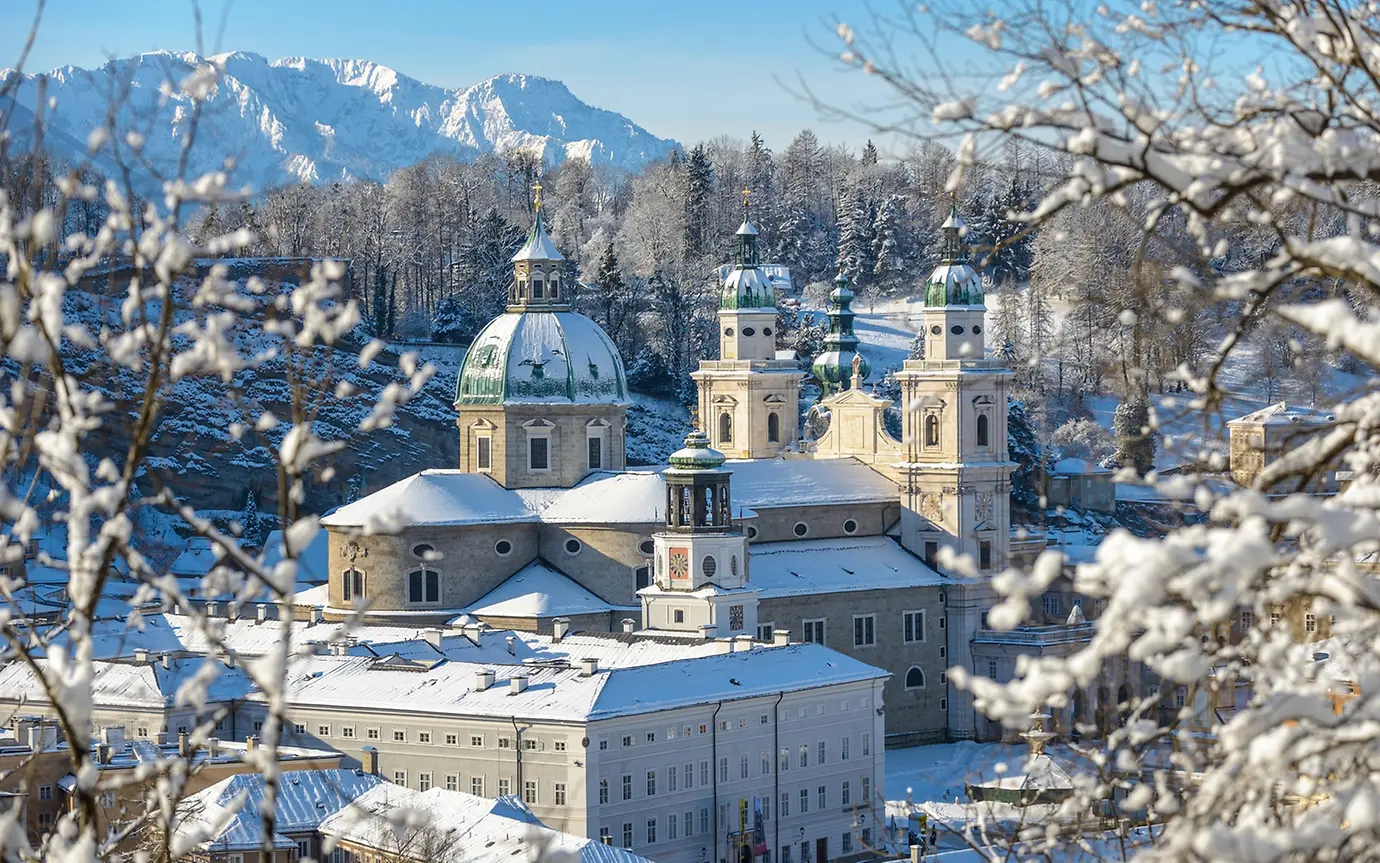
Salzburg is different from a lot of cities. Before becoming part of the Austrian Empire in 1816, it had been an independent ecclesiastical principality for almost 500 years, ruled by powerful Catholic prince-archbishops. These men held both spiritual and secular power - and lived accordingly. They were pastors and princes, bishops and patrons, art lovers and unapologetic bon vivants.
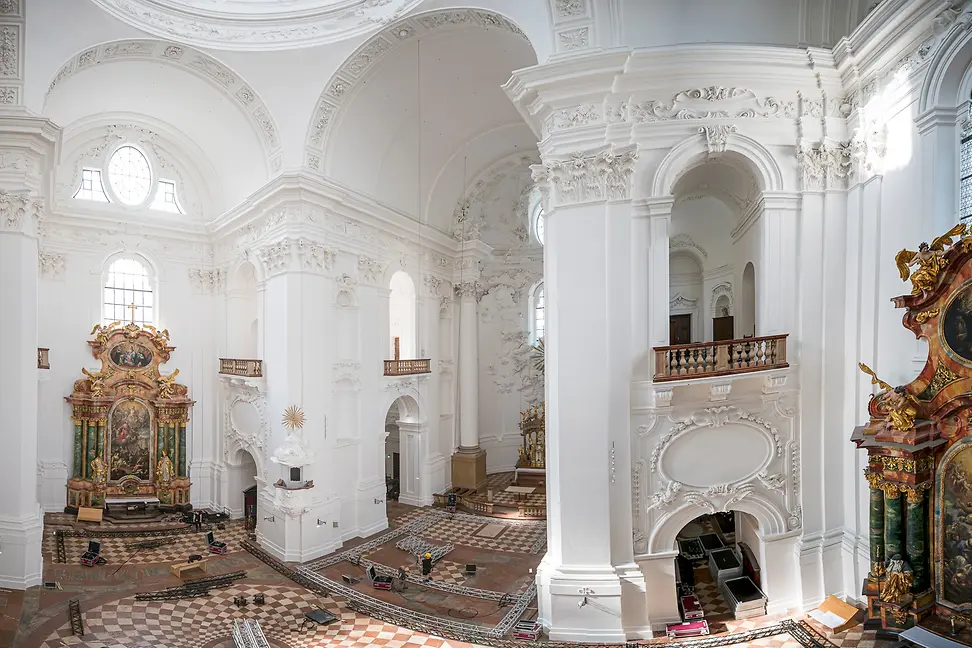
And it is to them that we owe not only our beautiful Baroque cityscape - they championed the greatest architects of their time, including Fischer von Erlach and Johann Lucas von Hildebrandt - but also our deep-rooted love of music and culture.
As former Salzburg governor Wilfried Haslauer once quipped: "What would Salzburg be without the prince-archbishops? At best, Linz." Linz is an industrial city - and needless to say, has a very different character from Salzburg.
The prince-archbishops also laid the foundations of Salzburg's wealth. As the city's name suggests, its prosperity for centuries stemmed from the trade in salt, as well as gold and silver. It was this combination of wealth, influence and artistic ambition that transformed Salzburg into the Baroque jewel it is today: a feast of architecture, music and culture.

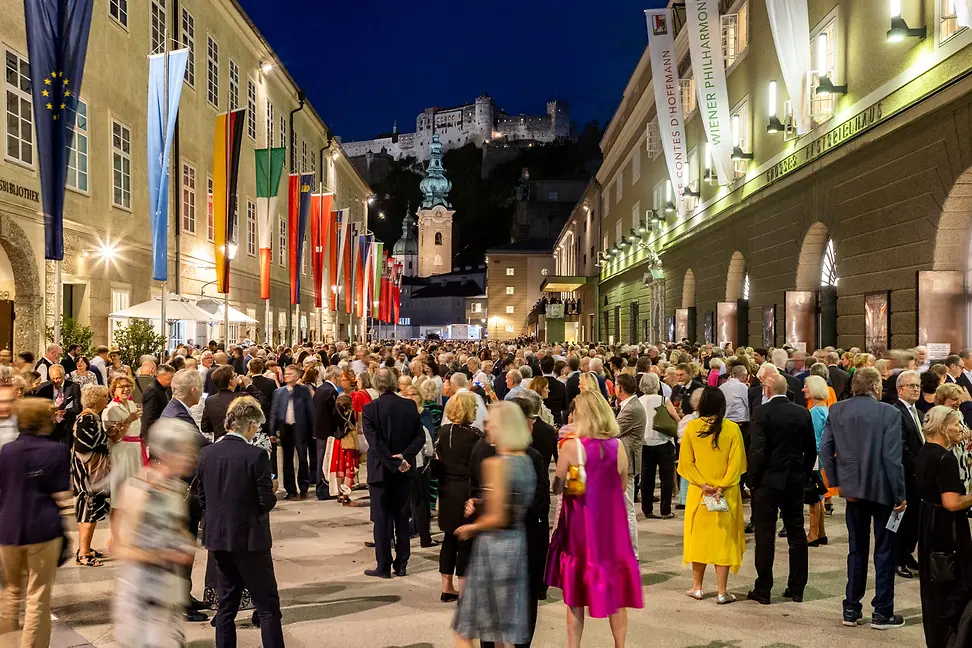
From Mozart Week and the Salzburg Easter and Whitsun Festivals to the Mozarteum and the Bach Choir, the city's cultural calendar is astonishing.
I attend at least one classical concert a month - which I choose from the more than 700 cultural events offered every year. Recently, I heard the overture to Mozart's "The Magic Flute", a programme of works by Antonín Dvořák, and a performance of Beethoven's "Fifth Symphony".
My favourite ensemble is the Mozarteum Orchestra Salzburg. Founded in 1841, it is Austria's oldest symphony orchestra and is currently conducted by Roberto González-Monjas. Their concerts are held on the premises of the Mozarteum Foundation - the concert hall is wood-panelled, making you feel as though you're sitting in a violin case. It sounds and feels extraordinary.
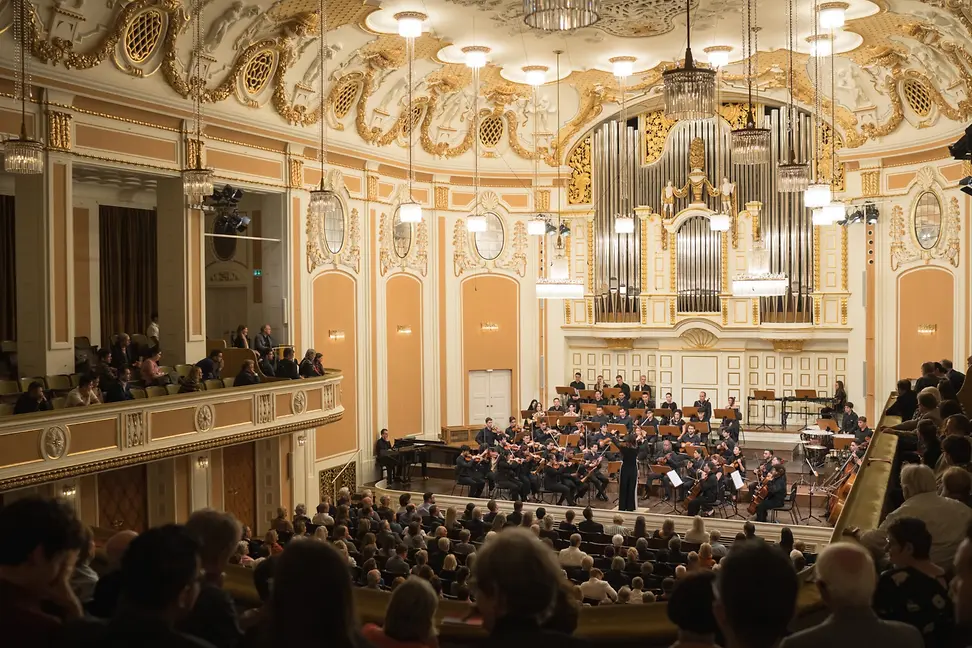
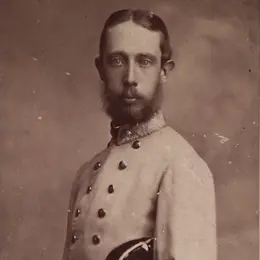
We have the Habsburgs to thank for this concert hall - specifically Archduke Ludwig Viktor, the younger brother of Emperor Franz Joseph. Locals affectionately call him Luzi Wuzi. After being exiled to Salzburg, he became a devoted patron of the arts and one of the city's great benefactors.
If you're wondering whether I moonlight as a tour guide: I don't. Ask anyone on the streets of Salzburg and they'll tell you the same stories. For locals, this is all common knowledge.
Of course, we can't talk about Salzburg without mentioning its most famous son: Wolfgang Amadeus Mozart. We could talk for days about his genius, work, life and character. Something that always strikes me is his sheer productivity: at today's average pace, it would take a composer 70 years to compose what Mozart created in just 35.
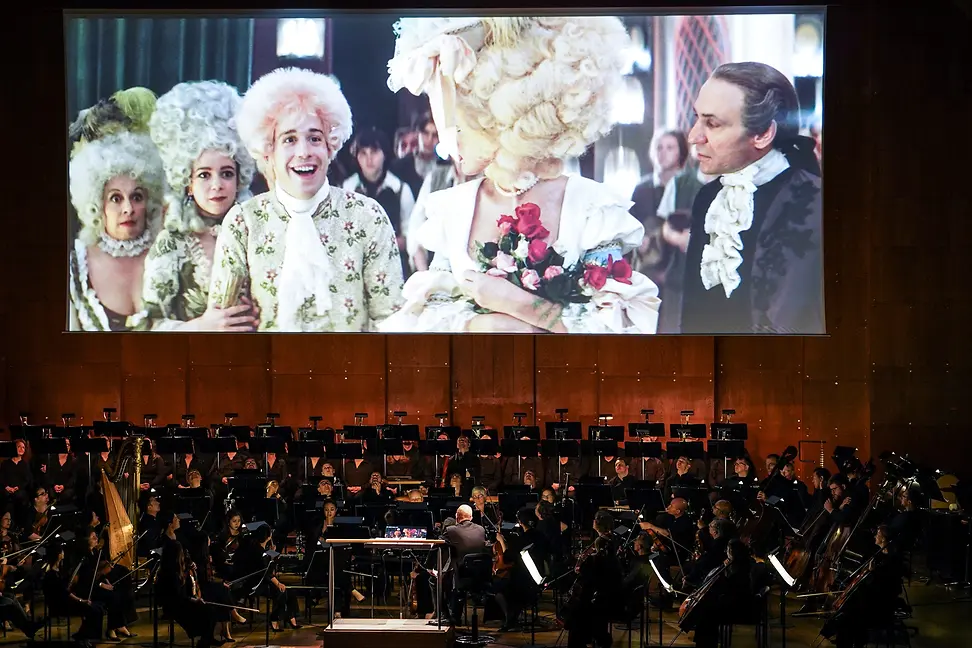
His rebellious eccentricity is equally legendary. In Milos Forman's 1984 classic "Amadeus", he appears in a bright red coat paired with a pink wig. Forman captured his style perfectly. But Mozart didn't just dress flamboyantly and unconventionally, he also lived that way. Once, when reprimanded for driving through Vienna in a six-horse carriage - a privilege reserved for royalty - he replied, "But they're not proper horses. They're just little horses."
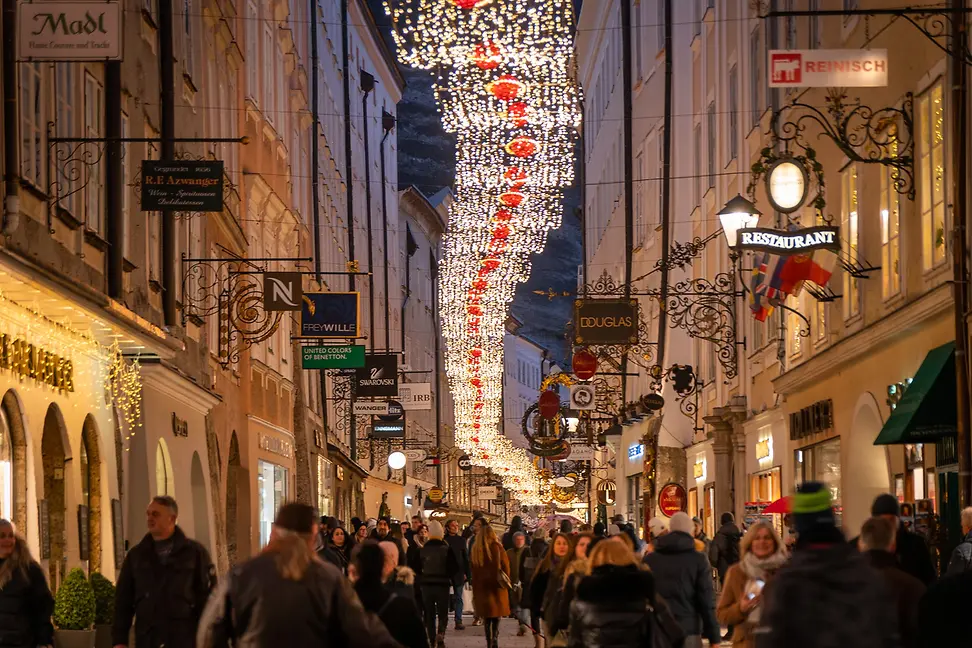
This mischievous streak is a bit of a Salzburg trademark. Our archbishops still hold the honorary titles of Primas Germaie and Legatus Natus, which traditionally come with the right to wear cardinal red, even though they have not been cardinals for a very long time. A friend of mine, a former canon, once told me the archbishops had received a letter from the Pope requesting that they finally stop wearing the cardinals' colour. When I asked him what they did with it, he replied, "We put the letter in a drawer." And there it remains.