- Accueil
-
Private banking
-
Insights et vue du marché

Most headlines focussed on the all-night negotiations that ended the latest UN climate change conference in Belém. When dawn broke over Brazil on the final day of COP30, it seemed as if a deal was out of reach. Several delegates were poised to abandon the talks when the chief Saudi negotiator agreed that the "Belém political package" could refer to the COP28 commitment to "transition away from fossil fuels".
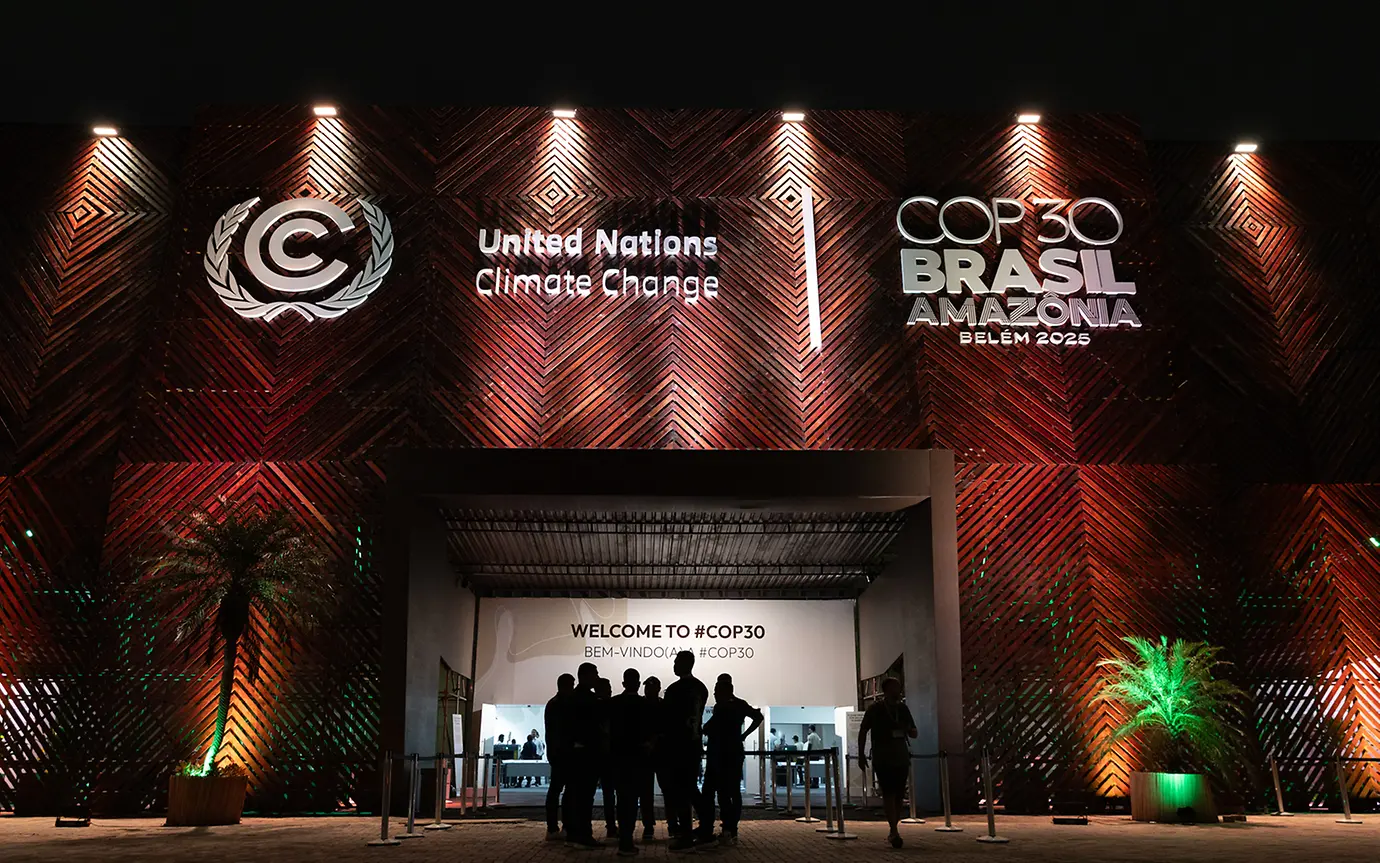
The acknowledgement was just enough to rescue the talks from being another failure in the fraught history of the COPs. But the wrangling over a single sentence, while of global importance, also concealed the granular work that was being done in the meeting rooms away from the top table to reflect momentum in multi-pronged climate strategies.
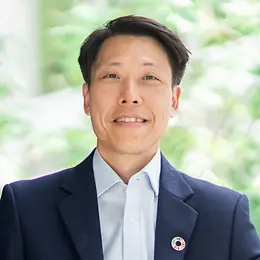
Dr. Bruce Chong was among thousands of delegates at COP30. As a Fellow and Director of Climate and Sustainability for Asia Pacific region at Arup, the global engineering firm, he led a discussion in the conference's Disaster Resilient Infrastructure pavilion about coastal resilience and climate adaptation, and the need to combine science, engineering and finance to protect some of the world's most vulnerable populations.
Chong, who is based in Hong Kong, is an expert on the subject, which he expands in his new book, "Addressing Climate Risk in Coastal Urban Areas of East and Southeast Asia". Those areas include some of the largest cities that are at serious, imminent risk from extreme weather and rising sea levels, including Singapore, Manila and Jakarta, which is also sinking as the Indian Ocean rises.
Addressing these risks is a global priority. After the dust settled on COP30, Chong outlined three key areas in which he identifies positive progress.
Adaptation was a big priority in Belém, where delegates built on a global climate finance goal agreed at last year's COP29 in Baku. It sets out an increase in support for developing countries, who in Brazil stepped up calls for further support for projects such as flood defences or drought-resistant water systems.
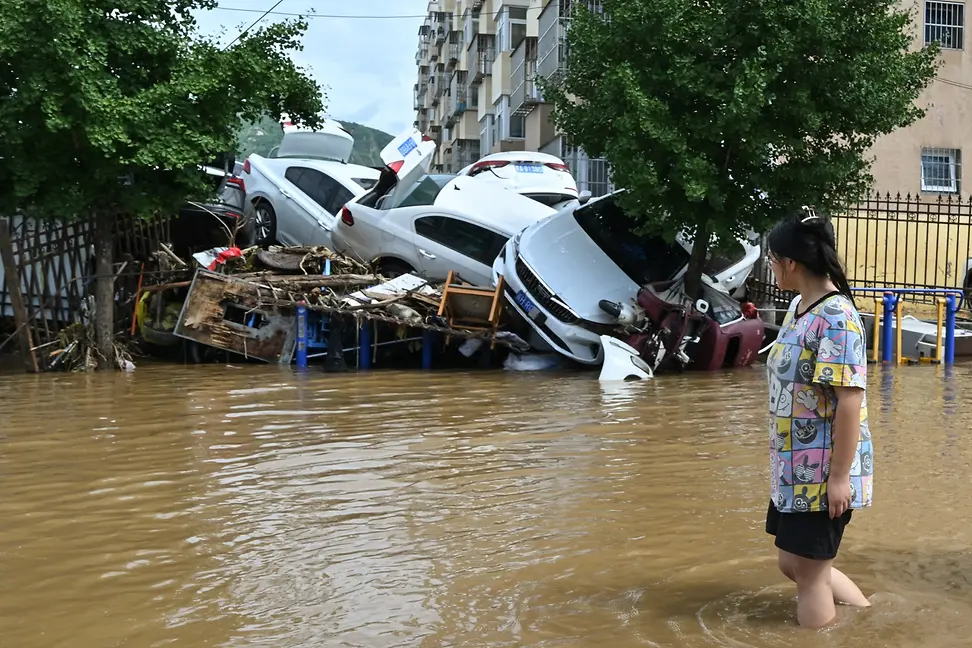
Traditionally, attracting private investment for these projects has been far harder than, for example, financing renewable energy installations, where the business case for doing so can be more tangible and immediate. "The benefits of adaptation are mainly the avoidance of risk," Chong explains. "That's harder to talk about with potential investors."
So, while 32 % (USD15.5 billion) of the private finance mobilised by official development interventions from 2018 to 2020 targeted climate-related challenges, only 4 % (USD 1.8 billion) focused purely on adaptation. Chong says that a newer approach that involves packaging mitigation, adaptation and nature-based solutions together as parallel investments is helping investors get over that mental hurdle, supporting governments to harness private sector money for, for example, flood defences packaged alongside sustainable urban transport infrastructure in coastal cities.
Blue carbon refers to tidal marshes, mangroves and seagrass meadows, and the vital role they can play in carbon sequestration along coastlines. This blue zone can also play an important role in protecting coastlines from storm surges as well as improving biodiversity, making it a growing area of research and investment. "From a sustainability and climate adaptation perspective, it creates multiple co-benefits and a lot of value," Chong says.
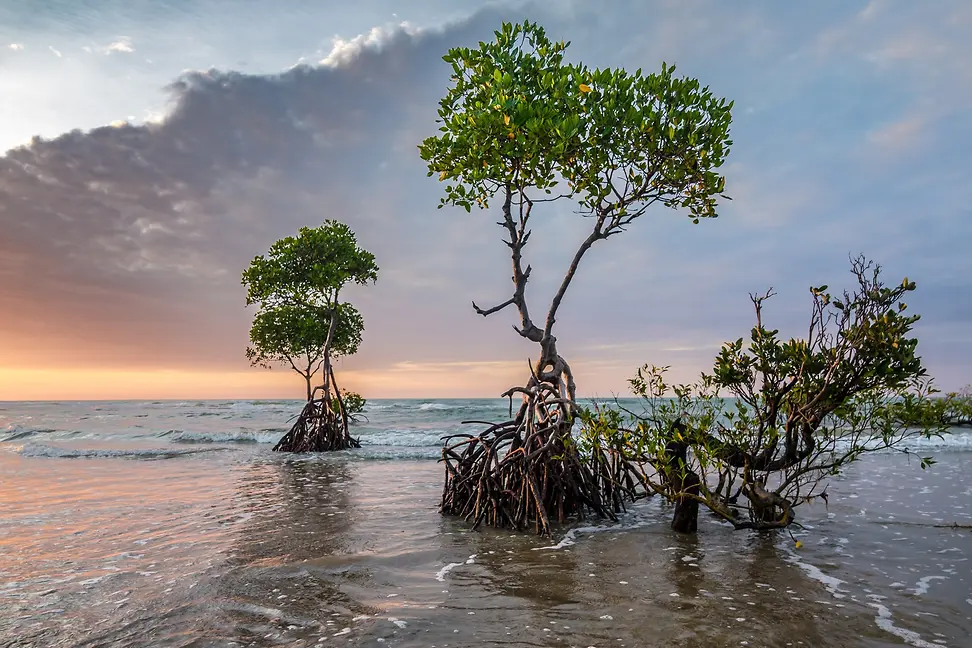
In Brazil, Indonesia launched its Blue Carbon Ecosystem Roadmap and Action Guidelines, an official scheme that places mangroves, seagrass beds, and tidal salt marshes at the heart of efforts to reduce emissions and boost climate resilience. The country boasts almost a quarter of the world's mangrove forests, and is ramping up efforts to place an economic value on them, with conservation in mind.
This includes supporting and improving blue carbon markets, where investors are increasingly being drawn to the dual climate and ecological benefits of blue carbon credits. Demand is threatening to outstrip supply, thanks to challenges in managing coastal projects and their long timelines, as well as gaps in funding. But there is progress here, too. There are increasing number of researchers and companies exploring new tech to help quantify blue carbon, a vital step in certifying new credits.
The elephant in the room in Belém (or, in fact, entirely absent from the room) was the US, which sent no official delegation to the conference for the first time in COP history. But as the current White House continues to dismiss climate change as a "hoax" - and as fossil fuel interests who were present in Brazil sought to water down any agreement - there were positive signs elsewhere of gathering pace in the transition to renewable energy.
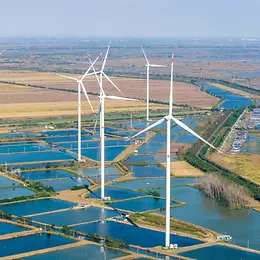
Crucially, the world reached a new tipping point in the past year. The three cheapest global electricity sources were onshore wind, solar panels and new hydropower, according to a report by the International Renewable Energy Agency, which also found that solar energy is now 41 % cheaper and wind is 53 % cheaper than the lowest-cost fossil fuel.
The cost argument alone is yielding results; in 2024, 74 % of growth in electricity generated worldwide was from wind, solar and other green sources, according to another UN report. Moreover, 92.5 % of all new electricity capacity added to the grid globally in 2024 came from renewables. Most symbolically, renewable energy overtook coal as the world's leading source of electricity for the first time in the first two quarters of 2025, according to data from Ember, an energy think tank.
"I think that all of this will drive another big wave of transition in the global South," says Chong, who also notes growing cooperation between economies to achieve even faster and more widespread transition. Singapore, for example, announced plans in October to create a 2,000-megawatt offshore wind energy project linking it to Malaysia and Vietnam, the first phase of which is due to be completed by 2034.
Under the alliance, Singapore and Malaysia would support major wind energy infrastructure investment along Vietnam's extensive untapped coastlines, helping the poorer nation to decarbonise its own grid while also exporting energy along with carbon credits. "I think there will be an increasing number of projects based on this business model, or government-to-government collaboration," Chong adds.
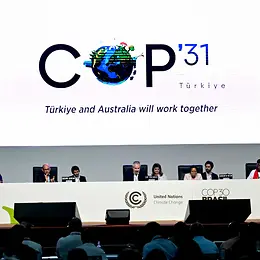
Chong has seen for himself some of the worst effects of climate change, including a deadly wave of cyclones that has swept across South and South-east Asia in recent weeks. He hopes such events, the severity of which scientists have linked to manmade climate change, focuses minds as Brazil passes the baton to Turkey, the host of COP31.
"I hope that even before COP31, it is something that is discussed at a regional level," Chong says. "And I really hope that the private sector can play a key role with more innovative finance."