- Home
-
Private banking
-
LGT career
-
Market view and Insights

Jacqueline Siew from LGT Singapore reflects on how her city's love of food encapsulates its diverse, ambitious and welcoming spirit.
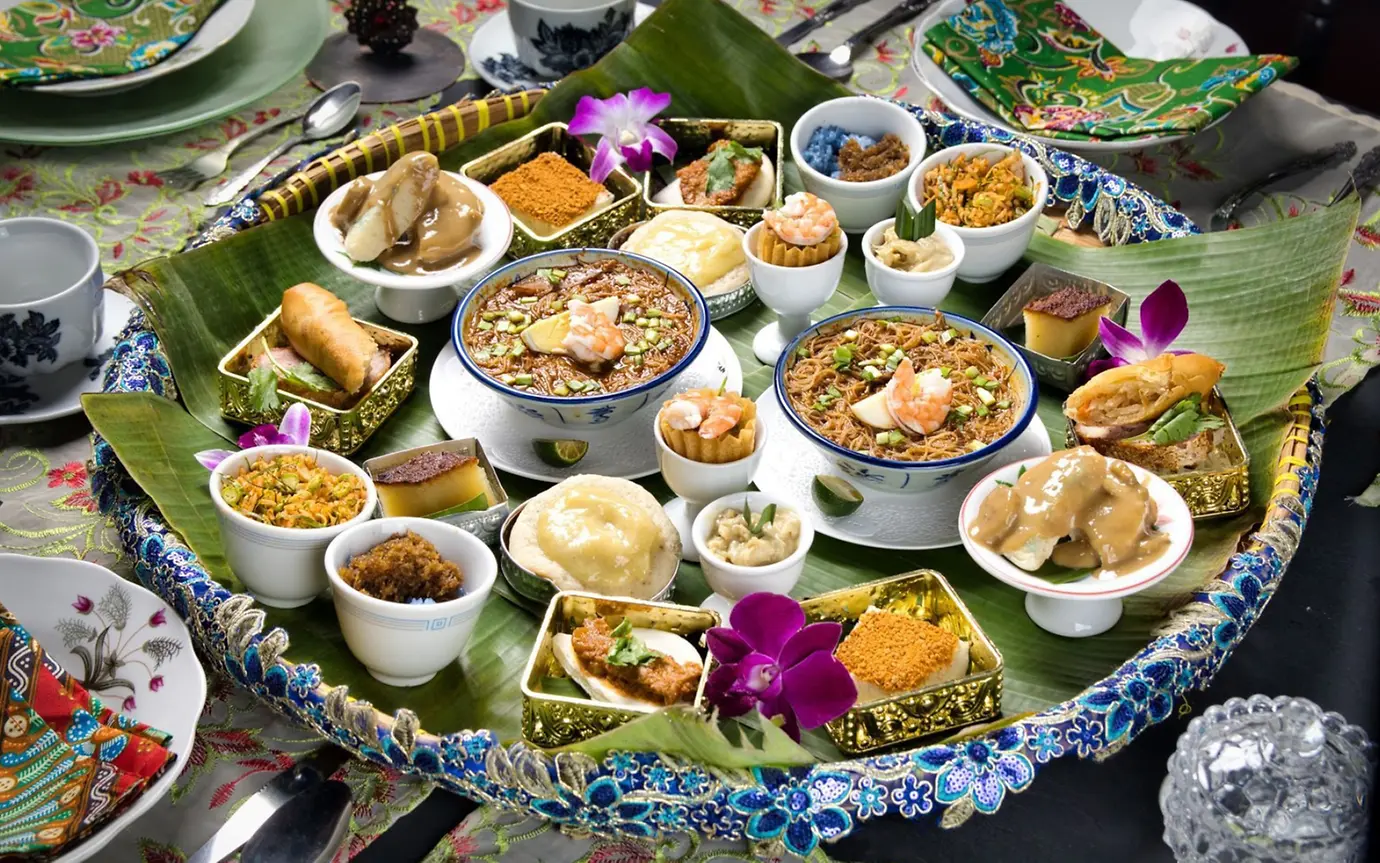
I never travel overseas without my Singaporean food. Why? Because if I get homesick, I can just go back to my room and cook myself some chili crab noodles, or laksa, or chicken rice - and for a few minutes, I'm right back home.
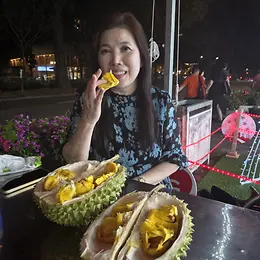
If you've already visited Singapore, you'll know how much we love food. There's no easier way to bond with your taxi driver, your new colleague or your travel guide than by asking them about which hawker centre does the best nasi lemak, which food stall is worth a detour, or whether they prefer black or white carrot cake. No wonder our business lunch breaks can easily last two hours.
Few Singaporeans cook; many households have helpers for that, or they go to hawker centres, where food is great and cheap. Look out for our many Michelin Bib Gourmand-awarded food stands - you might have to wait an hour for the best fried kway teow mee in town, but believe me, it's worth it.
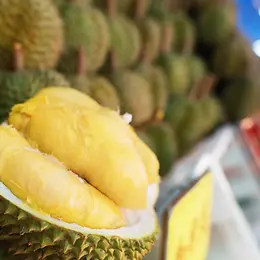
Durians hold a special place in our culinary hearts. We're crazy about them. When you're on the MRT, you'll see signs prohibiting smoking, flammable goods, and, surprisingly to some, durians.
That's because the "king of the fruits" has quite a strong odour. But don't be put off by the warnings: no visit to Singapore is complete without trying durian. To prevent smelly hands, many shops will offer you gloves, though this is sometimes frowned upon.
If you really love Durian, you eat it with your bare hands.
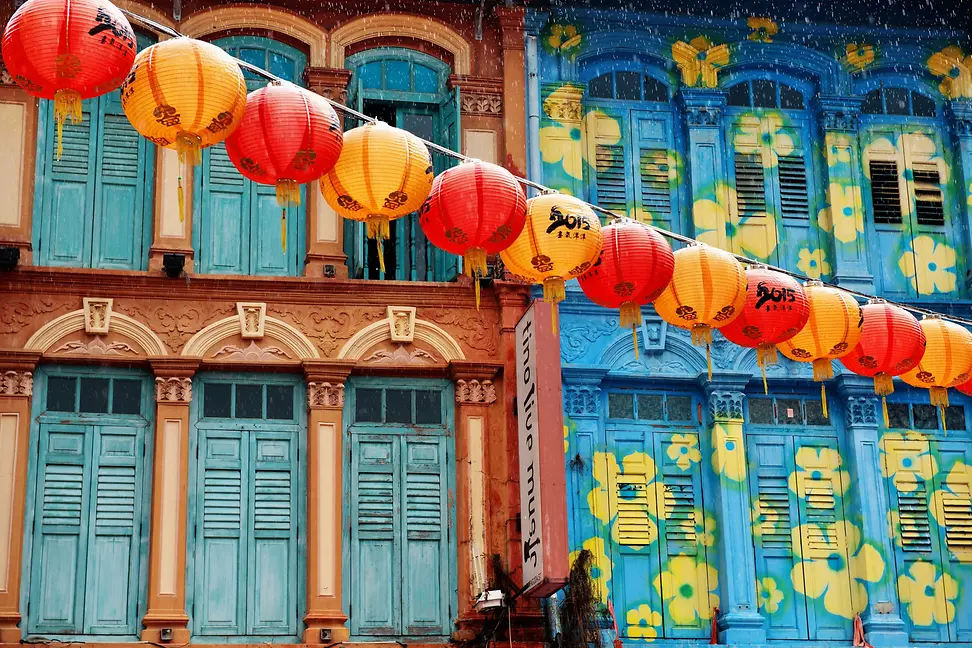
Eating is not only our favourite pastime, it's also the best way to experience our multiculturalism. Singapore is a melting pot of many different flavours, and we're home to people from all around the world. We adapt easily to our many cultural influences. When we go to a restaurant in Little India, we eat with our hands; in Italian eateries, we use cutlery; in Chinatown, we have chopsticks.
If you need further proof of our diversity, just take a look at our public holidays. Each major ethnic group has one or two. We cheer to lion dances on Chinese New Year, we light candles in Little India on Deepavali, we visit Buddhist temples on Vesak Day, we try festive Muslim food on Eid al-Adha and we wish each other a merry Christmas in December.
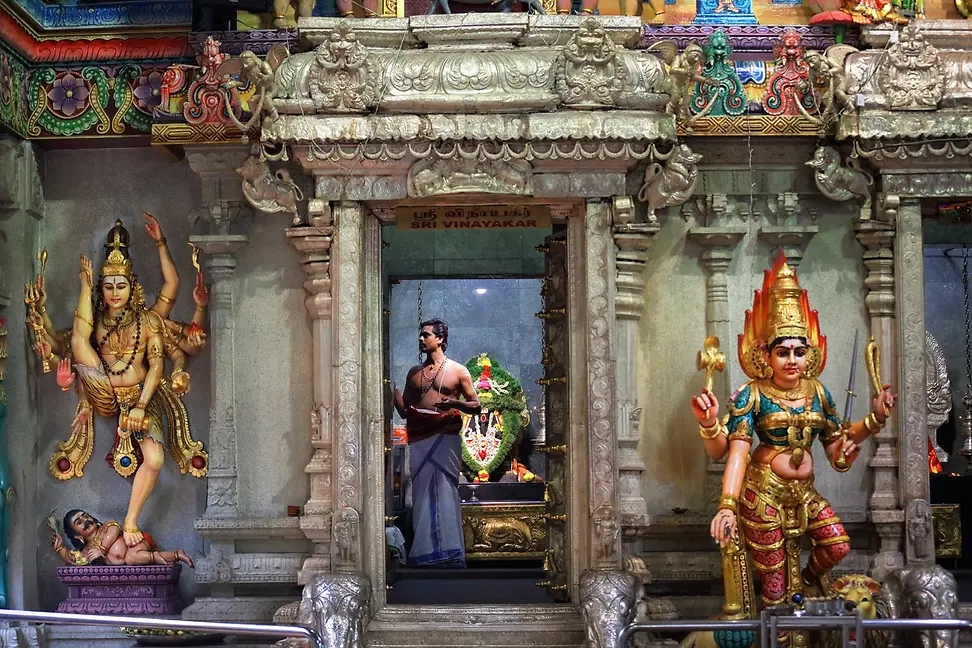
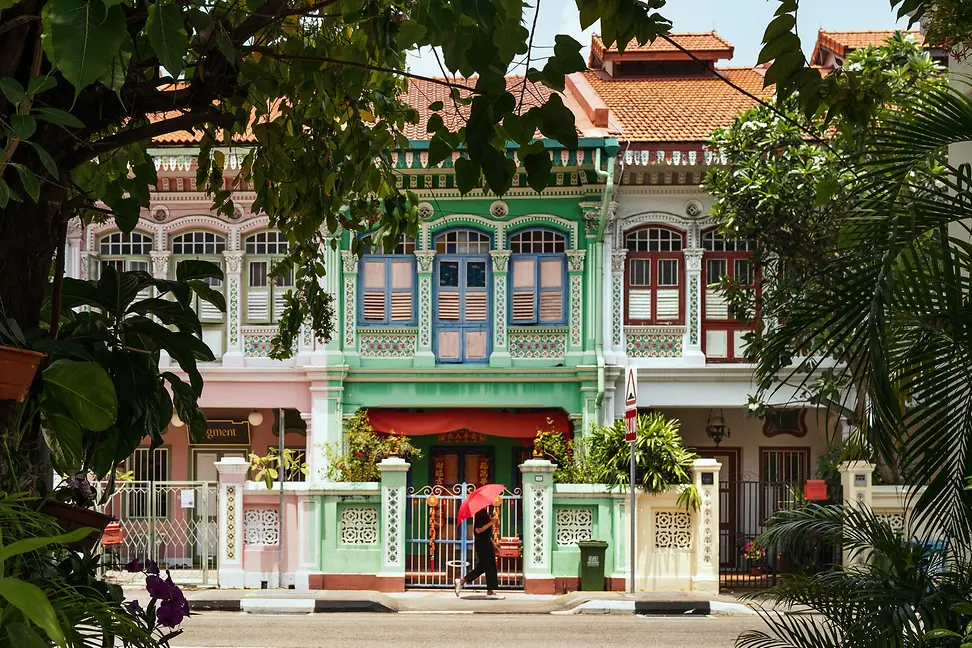
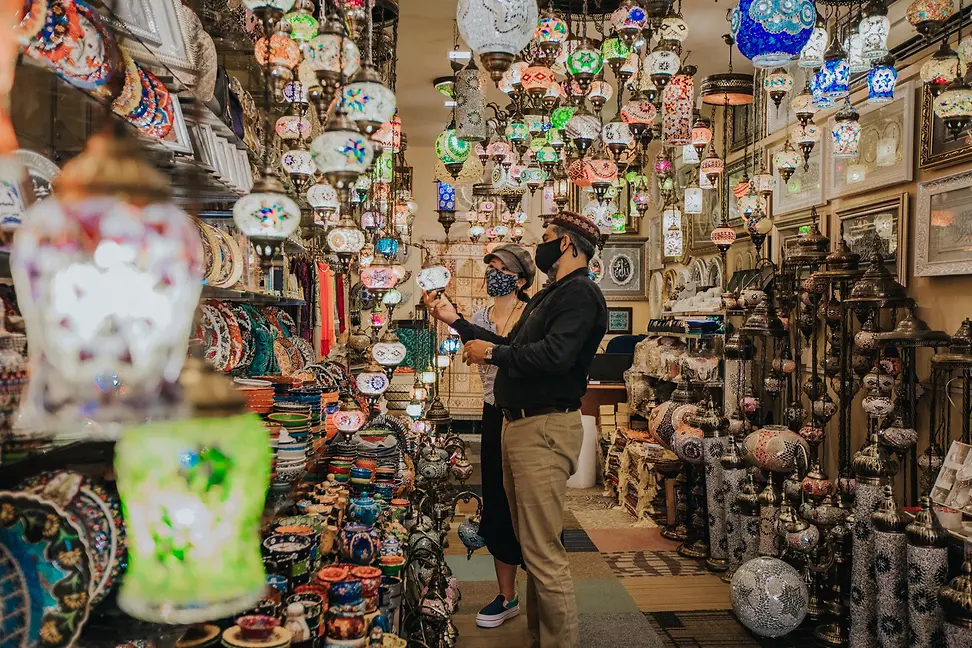
Our architecture and neighbourhoods reflect our rich culture too. Driving through Singapore can feel like driving through different worlds. We're proud of the temples of Little India, the markets of Chinatown, the Sultan Mosque in Arab Street, the colourful Malay shophouses of Katong, the skyline of the business district, the beaches of Sentosa Island, the jungle in Windsor Nature Park. Everyone speaks English, and is at least bilingual. I speak Malay and English. Most street signs are in our four official languages: English, Chinese, Malay and Tamil.
But we're more than just a nation of multicultural and multilingual foodies. We're also proud of our strong work ethic, sense of order and efficiency. Singapore is such a young country - we turn 60 this August. In a short space of time, we have worked our way up from nothing to the top: our port is now one of the busiest in the world, our airport is one of the best, our educational system is internationally acclaimed and our financial centre is truly global.
We're proud of our achievements, but sometimes we're also afraid of losing them. We even have a word for this typical Singaporean trait, we call it kiasu, meaning "afraid to lose". Kiasu drives us to work harder and push ourselves, our partners and our children at work or at school. We always aim for the top.
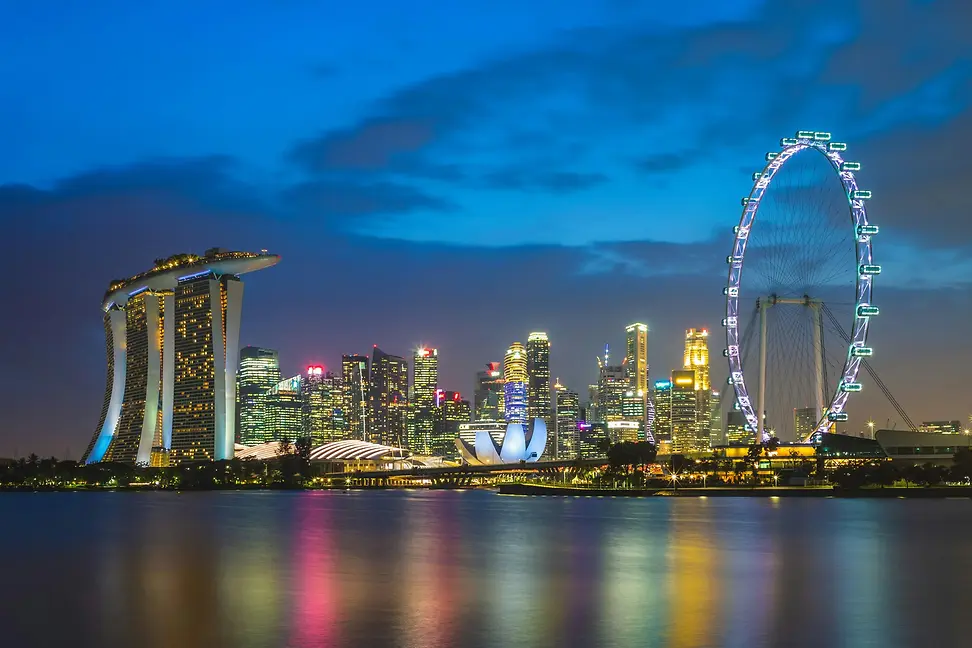
Back in the day, people used to say Singapore was boring. But they changed their minds once they were here. Today, the city seems to have shaken that reputation off; it's constantly changing, and we're always building and improving and learning.
I've always lived in Singapore, and I couldn't live anywhere else. My daughter studies abroad, as so many young Singaporeans do - most go to Australia, Europe or the US. She chose Melbourne, and when I went to visit her, I had to leave after a week. The Australian pace of living is just too slow. I'm looking forward to her coming back home after her graduation.
That's another Singaporean trait: People may leave for years. But they always come back home.
… sing: "Home", a patriotic song which the whole nation will sing along to on National Day.
… eat: Anything, really, and make sure to talk to us about it - kway teow mee, bak kut teh, roti prata ... My personal favourite is Hainanese chicken rice.
… drink: Singaporean coffee, so-called "kopi". It comes in many variations - kopi-c, kopi-o-kosong, kopi-c-po, … - depending on how much sugar and milk you prefer. It is best paired with kaya toast (toast with butter and coconut jam) and soft-boiled eggs, and you enjoy it in the morning or late afternoon. Many Singaporean chains offer kopi and kaya toast; personally, I recommend Ya Kun.
… say: Lah. If you've read or watched Kevin Kwan's "Crazy Rich Asians", you will know that Singlish speakers often add "lah" at the end of words for emphasis. We might say "It's okay lah" or "No good lah". Don't be afraid to try out some Singlish; we appreciate it when non-native speakers try it out.
… visit: If you want to get a feeling for what Singapore's culture really looks like, go to the Peranakan Museum. Peranakan is an old term referring to hybrid Southeast Asian cultures. The museum features beautiful exhibitions showcasing Peranakan photography, fashion, ceramics and jewellery. If you prefer shopping instead, Singapore is your oyster. We have amazing malls and shopping centres around Orchard Road, and small, cute shops in neighbourhoods such as Joo Chiat and Tiong Bahru.
… familiarise yourself with: Our founding father Lee Kuan Yew, our first prime minister, who was in office from 1959 to 1990. He led Singapore to independence and into prosperity.