- Home
-
Private banking
-
Market view and Insights

From oysters to lobster and caviar, foods we now regard as refined often began as inexpensive everyday staples. The product may stay the same, but shifting behaviours and expectations can elevate - or diminish - its status right down to a tastebud level.
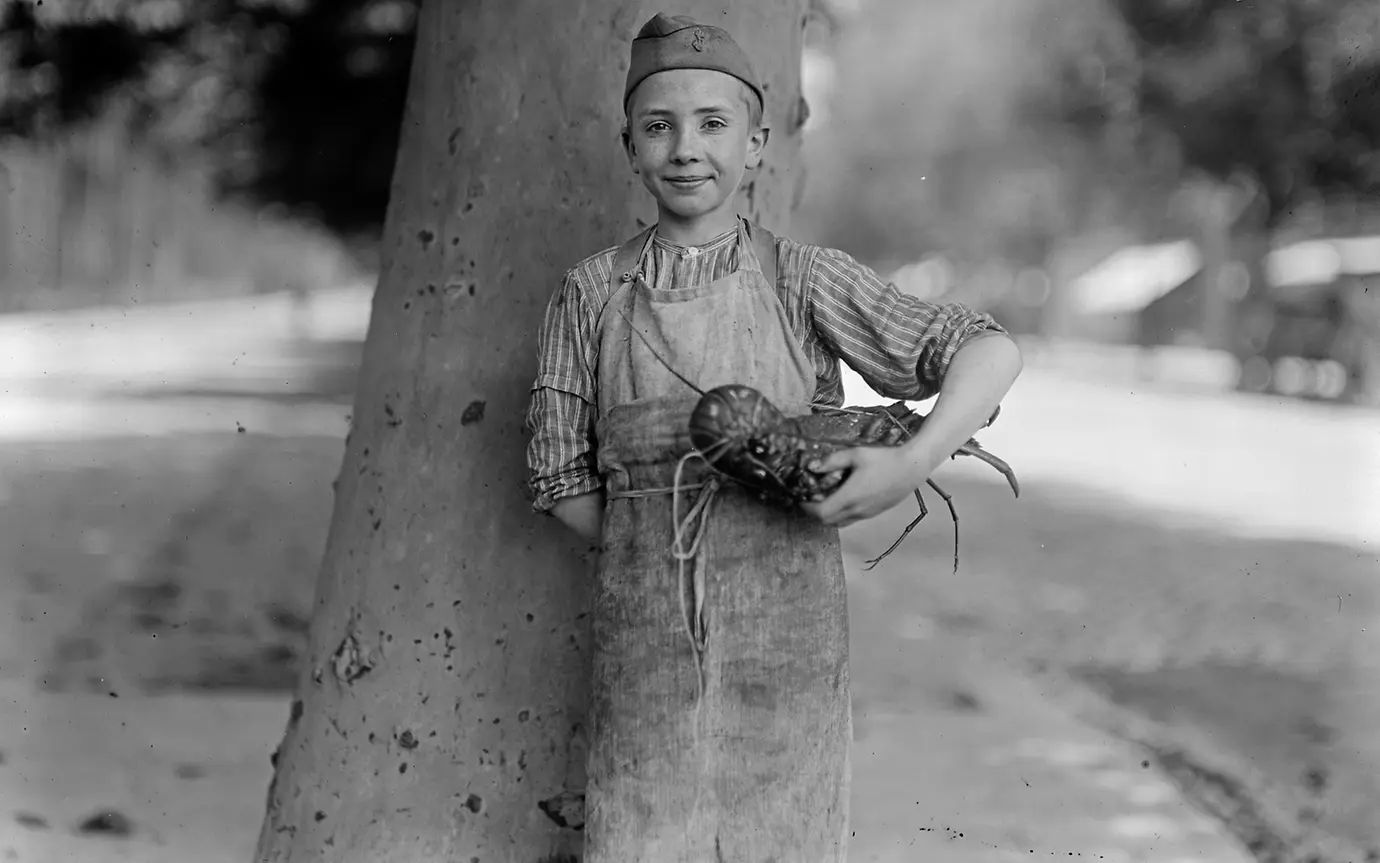
If you were a prisoner, a servant or a particularly poor resident of the northeastern states of America in large parts of the 18th century, there's a good chance that you had the misfortune to eat lobster for lunch, and quite possibly dinner, too. The pink crustaceans were so large, abundant and easy to catch off the Atlantic coast that they were seen as giant oceanic cockroaches. They were even used as fertiliser, and as bait for more prized catches such as cod.
While their taste may have been recognisable to the lobster consumers of today, their power as a signifier of social status was firmly entrenched; as the Kentucky legislator John Rowan once put it: "Lobster shells about a house are looked upon as signs of poverty and degradation." School children would be scorned for having lobster sandwiches in their lunchboxes.

All it would take to transform the fate of the lobster was the entrepreneurial spirit that spread with the new railways. In an age before globalised - or even nationalised - supply chains, managers on the grand early railcars spied an opportunity to rebrand lobster meat for an unwitting new clientele who were not au fait with coastal cuisine. They bought it cheap and served it on fancy plates at inflated prices.
There is nothing so delicious as social cachet.
The ruse worked. Freed from its negative social connotations, lobster suddenly started to taste good. Demand spread from the railways to growing towns and cities, where chefs realised that the meat could be even more succulent if the animals were cooked alive. Sure enough, the price of lobster started to rise, peaking in the roaring 1920s, by which time the crustacean had become a prized delicacy.
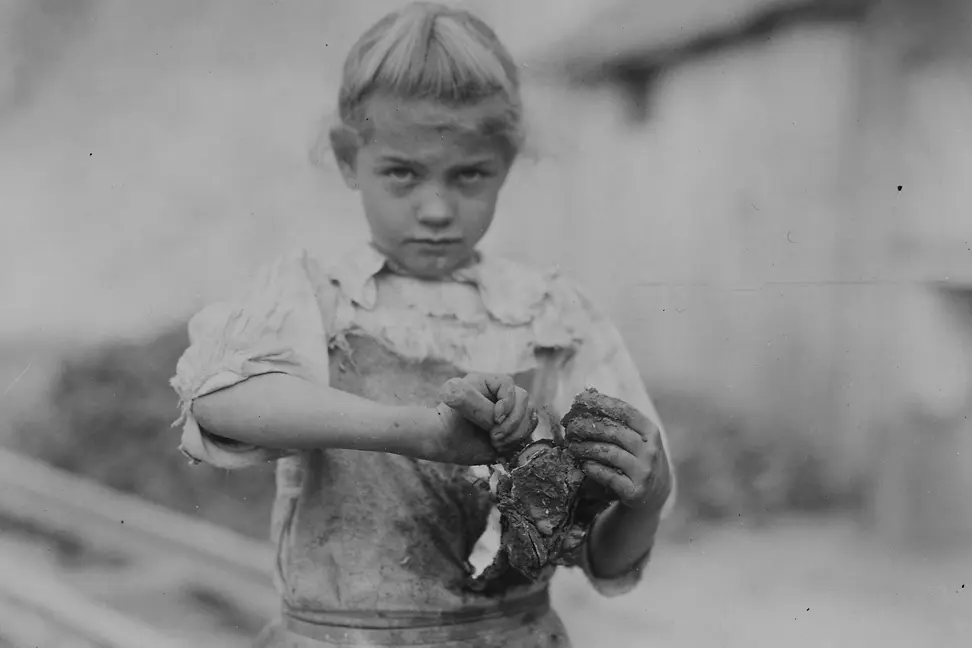
The dramatic rise of the once humble lobster is perhaps the most extreme example of the way foods can fall in and out of favour, demand ebbing and flowing on the currents of entrepreneurialism, marketing and influence. The product itself may not change at all, but shifts in behaviours around it - as well as price - can alter perceptions right down to a tastebud level. There is nothing so delicious as social cachet.
It's not just seafood, and sometimes the marketing strategy requires the careful cultivation of a grassroots movement. In the US, Pabst Blue Ribbon was for decades considered to be an average, cheap, working-class Midwestern beer. Sales were tanking and breweries were shutting. Then, a middle manager in the company travelled to Portland, Oregon, where he’d heard a rumour that "alternative people", as the tip-off put it, were starting to drink PBR.

These early hipsters had adopted the beer themselves and were, by their very nature, resistant to marketing (or at least they like to think they were). So the company got imaginative, recruiting one willing adopter as a low-key ambassador. It quietly sponsored alternative cycling races organised by hip bike messengers who were more than happy to crack open cans of free PBR. No ads, no conspicuous branding, just a faux-organic campaign that followed the school of "anti-marketing".
Planting the seeds was enough; in the early 2000s PBR quickly grew under its own steam to become a go-to hipster’s beverage in locales from Brooklyn to Silver Lake, triggering a sales spike and corporate revival without the need for expensive marketing or celebrity endorsements. And because the brand's old packaging and design was central to its new appeal, there was no need to invest there either.

Globalisation, industrialisation and the flattening out of the seasons thanks to fast shipping and refrigeration, has also transformed the image, price and social value of foods as diverse as sugar, spices, coffee and chocolate. Typically, these economic forces make foodstuffs more affordable.
Ancient Mayans saw cacao beans as so valuable that they were used as currency. Chocolate remained a luxury good when Spanish merchants first brought cocoa to Europe, until a 19th century Dutch chemist worked out a way to mass produce a hot chocolate powder.
Coffee followed a similar trajectory, reaching its largest market after Brazil asked Nestlé for help in dealing with a surplus of beans in the 1930s. The result: instant coffee granules, branded as Nescafé.
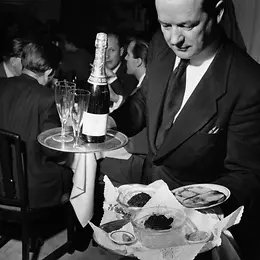
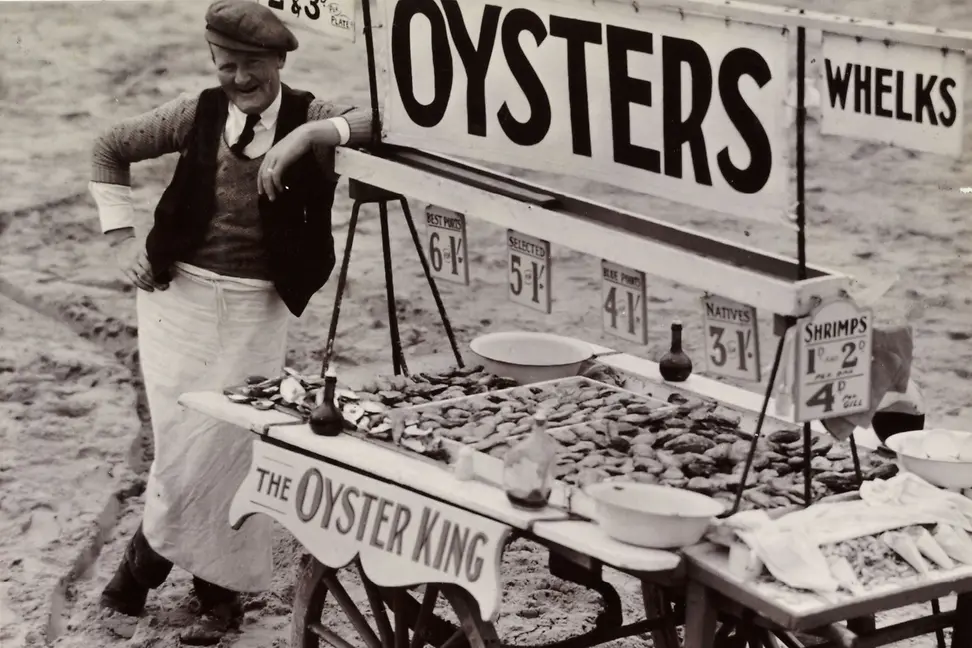
But the history of food markets is full of rags to riches examples like the lobster. Oysters were similarly considered to be part of a poor diet. The 19th century housemaids of London would not be seen eating them lest they seem unladylike. In medieval Russia, meanwhile, peasants fed caviar to their pigs.
More recently, avocado, kale and quinoa have grown away from modest roots to become bywords for millennial health-food elitism, sold at high prices in citrus-drenched salads in gentrified neighbourhoods. The foraging trend turned subsistence food gathering into high art, as Nordic wonder chefs charged Monaco prices for imaginatively cooked wild sorrel, pine and sea buckthorn.
All of which begs the question: what's next? It's hard to say, and no doubt marketing departments and trendspotters are hunting for the next Dubai Chocolate, the viral confection first invented by a British-Egyptian living in the Middle East, who asked a pastry chef to help her fulfil pistachio cravings while she was pregnant.
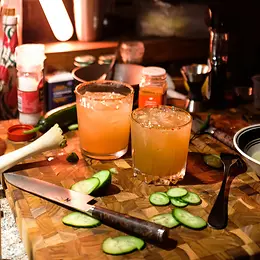
"Tastewise", an AI-driven food trend analyst that monitors restaurant menus and social media, has identified pickles or jalapenos - both cheap ingredients - as the next big thing in Gen Z soft drinks and cocktails (think pickle lemonade or spicy margaritas). Meanwhile I.T.S., a UK natural flavour supplier and manufacturer, predicted in its latest report that fresh East Asian flavours such as lychee and yuzu are in the ascendant.
The bigger driver in food trends, however, is likely to be climate change and global supply disruptions. And this new dynamic may bring products that we have become accustomed to as everyday staples full circle. Coffee and cacao bean prices, for example, have risen steeply in recent years.
Scarcity and cost may yet push them back into the luxury realm - perhaps to be consumed as part of an expensive meal that also includes lobster.