- Accueil
-
Private banking
-
Vue du marché e Insights

The circular economy is making inroads into the luxury segment. In Asia, the market for pre-loved goods is booming, with luxury handbags leading the way. Here's why the circular economy represents not only a shift in mindset, but a better kind of economy.

Long gone are the days when sustainability was associated primarily with Birkenstocks and hemp accessories. Today, it is just as likely to be symbolised by a luxury item. Take Hermès's iconic bags, now highly coveted on the second-hand market. They have become a beacon of sustainable consumption and signal a broader shift in consumer attitudes. Whether it's a Birkin or a Kelly, Hermès handbags now also embody a growing economic trend: the circular economy.
Take - make - waste must be replaced by reduce - reuse - recycle.

In an era of resource scarcity, ecological crises and rising consumer awareness, the circular economy is gaining momentum. At its core is a simple idea: resources should remain in circulation for as long as possible, rather than being discarded after limited use.
The traditional linear model of "take, make, waste" must be replaced by a circular one, says Cedric Baur, Equity Analyst at LGT. In a truly circular system, he explains, products are designed to be reused or recycled at the end of their lifecycle - in line with the principle of reduce, reuse, recycle.
The circular economy starts with product design and prioritises reuse, repair, regeneration, high quality and, as a result, durability. Ideally, the cycle is self-sustaining - materials are continuously recycled into new products. Stainless steel drinking bottles and the Fairphone are two good examples of this concept. The bottles are durable, come with replaceable lids and can be returned to the cycle. The Fairphone, on the other hand, is made from recycled aluminium and features individual, replaceable components - from the battery, display and camera to the speaker - and also benefits from long-term software support.
The sector is expanding rapidly. According to McKinsey, Europe's circular economy alone has the potential to generate over USD 1 trillion in revenue in 2050. Companies, especially consumer goods manufacturers, that commit to meeting environmental, social and governance (ESG) criteria are well-placed to lead the charge. Accenture estimates that circular strategies could unlock an additional USD 35 billion in value in consumer goods by 2030, primarily through cost savings. Generation Y and Z consumers, who are now reaching their peak spending years and are favouring sustainability-focused brands, are expected to be key drivers of this growth.
This shift is not confined to Europe and the United States, but is gaining traction in Asia too. While used goods were long considered outdated or indicative of a lack of affluence in Asian cultures, the market for second-hand luxury goods is now booming in places like Singapore, Hong Kong and China.
Here, too, designer handbags, clothing and accessories are traded on popular online and social media platforms such as Née Vintage, Madam Milan, StyleTribute, Bag It! and Vestiaire Collective. Pre-loved goods are also being sold in brick-and-mortar stores. In 2022, the online app ZZER opened a high-street shop that now receives over 5000 second-hand items every day - including pieces from brands such as Louis Vuitton, Chanel and Dior, as well as "rare collab pieces", according to the travel blog klooktravel.
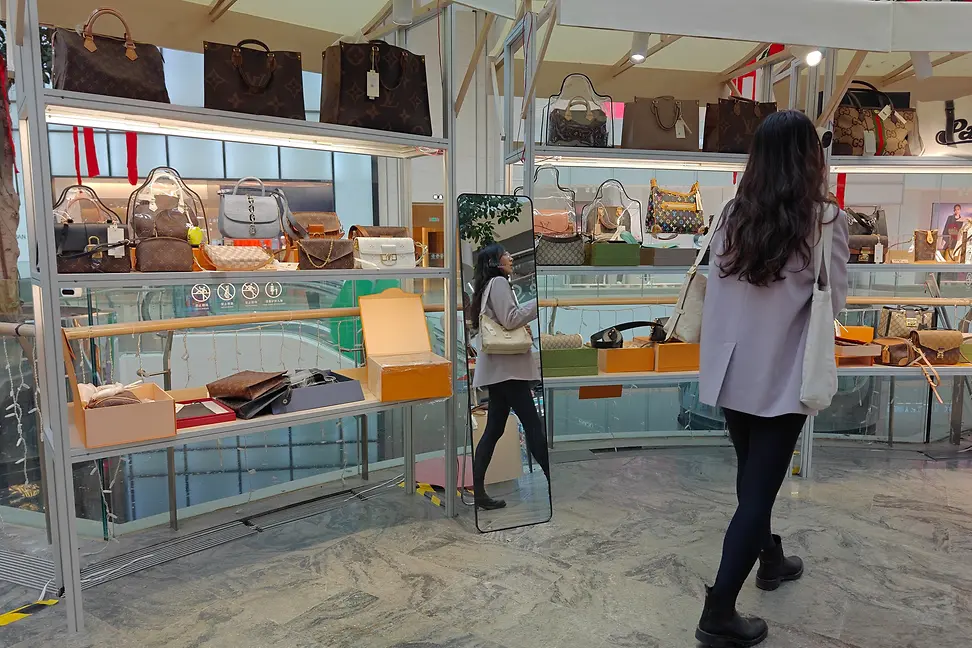
Future Markets Insights values the Asia-Pacific market for second-hand products at USD 47.8 billion in 2025, with an expected annual growth rate of nearly 10 % annually through to 2035. PwC estimates that the circular economy could boost GDP growth in the Asia-Pacific region by around USD 340 billion (1.1 % net growth) and result in a 7.2 % reduction in net emissions.

Globally, around 75 % of millennials and 64 % of Gen Z consumers say they intend to invest more in high-quality, durable products. They also say that sustainability plays an important role in their purchasing decisions, with the majority of Gen Z (63 %) and millennials (62 %) willing to pay more for ethically produced products. In fact, 66 % of Gen Z consumers prefer second-hand goods.
Antonia Strachwitz, Editor Investment Strategy and Themes at LGT, is one such consumer. "I buy everything second-hand", says the Zurich-based mother of two. In addition to clothes and accessories, Strachwitz also buys art, furniture, cars, and her children's toys and sports equipment second-hand. "If you think about the emissions that are generated to manufacture a handbag, it's clear that alternatives are needed", she says.
Buyers of second-hand goods tend to prioritise quality - and often find it in luxury products. A pre-owned Hermès bag or a Rolex watch are good examples. "If you enjoy the thrill of the hunt, the second-hand market can yield exciting finds at prices that make sense. Thanks to their durability and potential for repair, they can even become an investment - and be passed down to future generations", says Strachwitz.
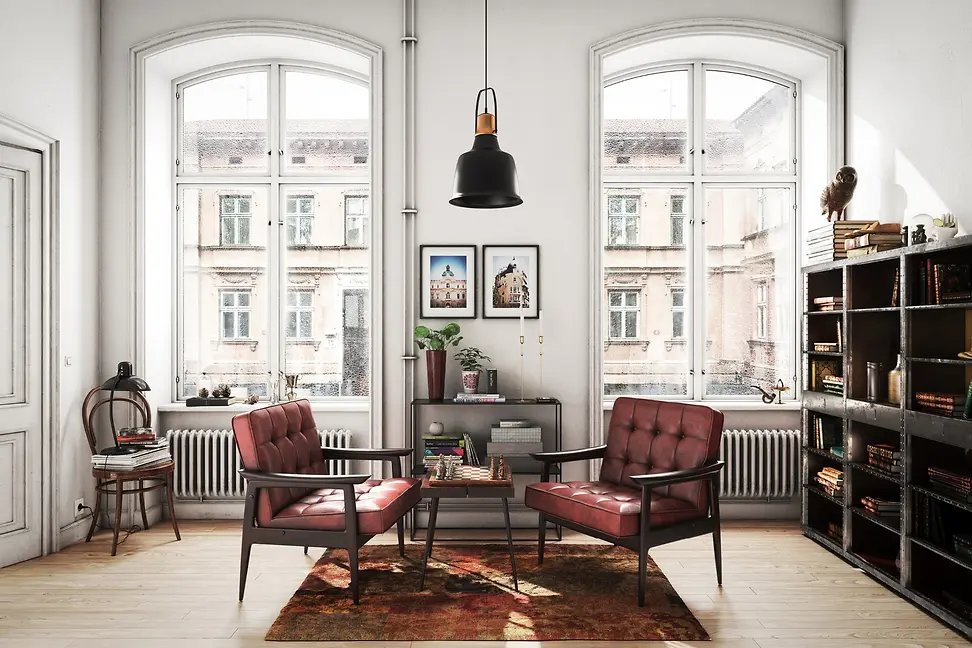
In Switzerland the second-hand market (excluding cars and real estate) now generates an estimated turnover of around CHF 2 billion, according to Handelszeitung. The global shift towards a circular economy has been underway for some time - and is gaining pace not only in Asia's major urban centres, but across Europe too. The Kelly bag is a striking example of this momentum in action: a former symbol of exclusivity, reimagined as a standard-bearer for sustainable luxury.
The circular economy is also reshaping the construction sector, where building and demolition materials are increasingly being reused or recycled. In Switzerland, regional building component exchanges support trade in used construction elements - from bathtubs and kitchen countertops to entire steel structures. Germany is advancing circularity in construction through legislative measures such as the Packaging Act (Verpackungsgesetz) and the "Right to Repair" (Recht auf Reparatur). Hong Kong is investing heavily in infrastructure for recycling building materials.
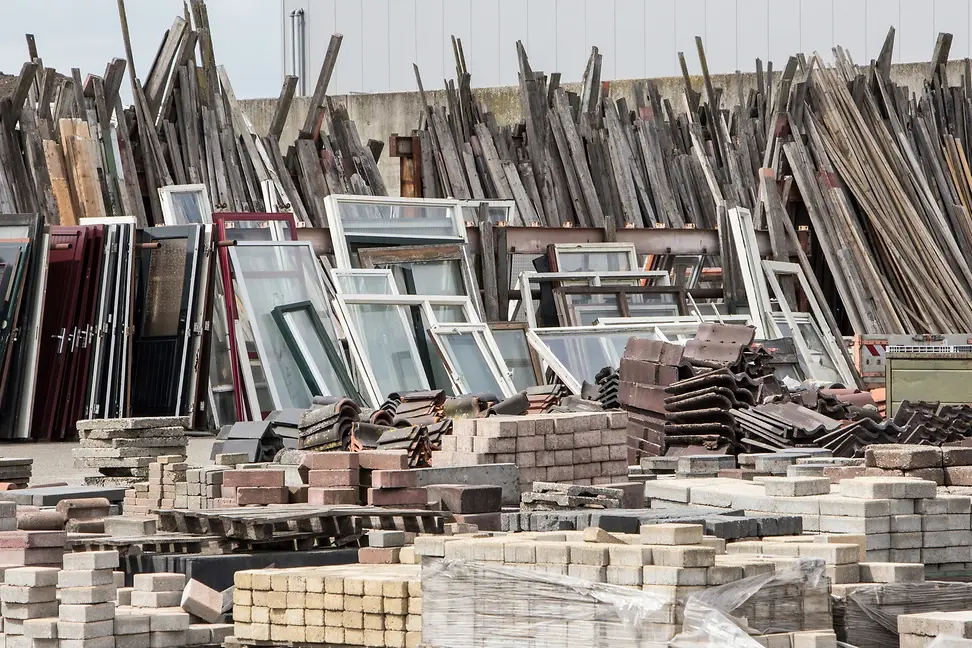
Scandinavian countries are promoting repair services through targeted tax incentives. Singapore aims to reduce waste by 30 % by 2030 with its Zero Waste Masterplan, which includes the reuse of concrete, asphalt and glass. China has integrated the circular economy into its five-year plans, and is making notable progress in battery and textile recycling.
The United States is focusing on private-sector innovation, and companies such as Apple and Patagonia have long employed take-back and refurbishment models. Meanwhile, India and several African countries are pioneering grassroots circular approaches - including informal recycling networks and urban mining - that show the circular economy can thrive even under challenging conditions.