
在此處更改您的語言和 LGT 位置。
私人客戶的數碼平台
登錄 LGT SmartBanking
金融中介機構的數碼平台
登錄 LGT SmartBanking Pro
解答常見問題 (FAQ)
LGT SmartBanking 幫助
解答常見問題 (FAQ)
LGT SmartBanking Pro 幫助
For wealthy entrepreneurial families, passing a business on to the next generation isn't just an operational challenge, it's an existential one. Succession is about power, responsibility and identity, and ultimately about knowing when to let go. These tensions are very real - and from "Buddenbrooks" to "The Godfather", they have inspired some of the most compelling - and cautionary - stories in modern culture.
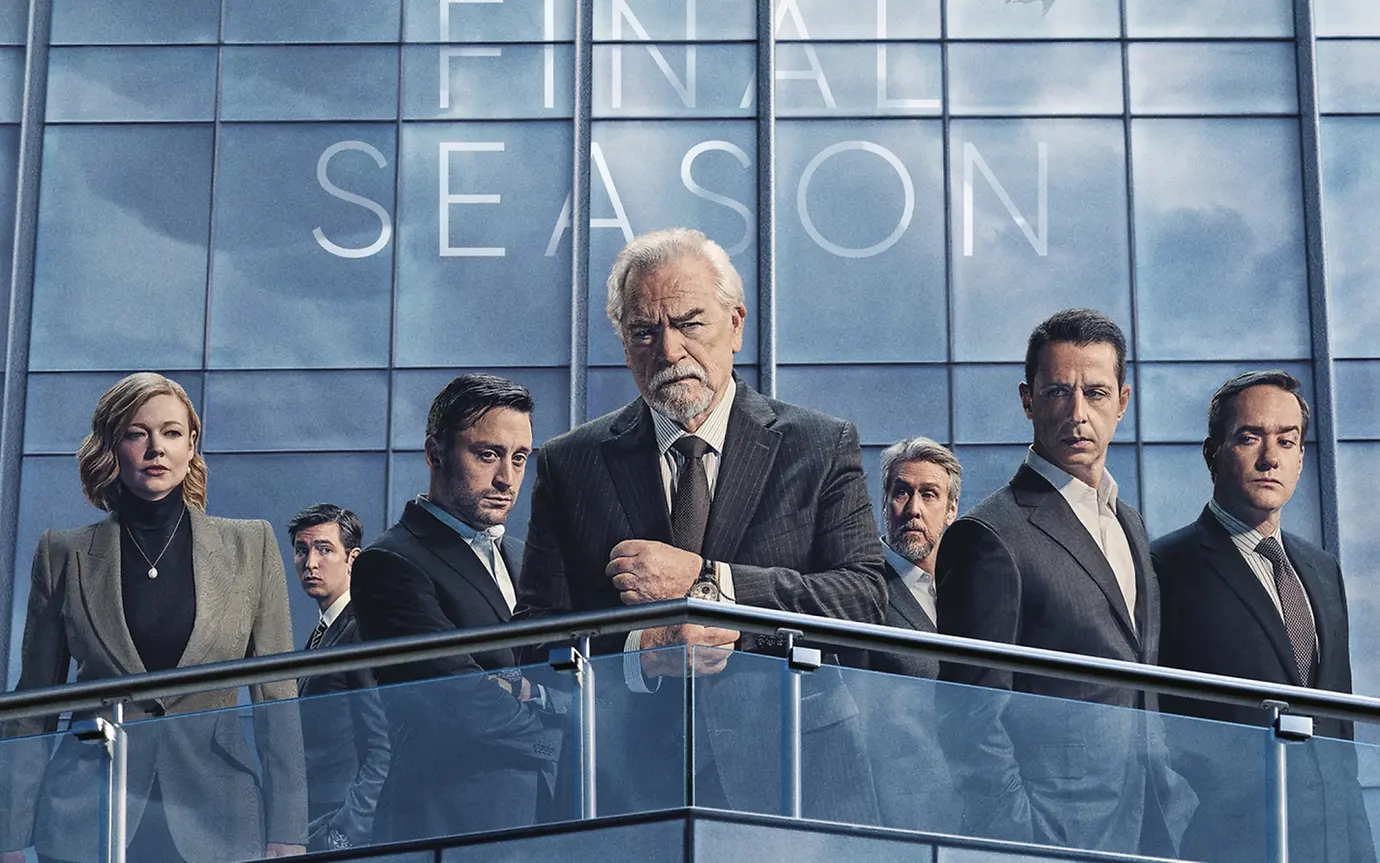
A family business carries a promise in its very name: continuity. It is supposed to remain in the family. And yet, time and again, the handover from one generation to the next proves to be its most punishing test. What was intended to safeguard a life's work can quickly begin to unravel, pulled apart by vanity, rivalry and wounded pride.
The four works that follow - from social novels to streaming epics - trace the fine line between legacy and ruin, showing how even the mightiest empires are often undone not from the outside, but from within.
Why do people who make it all the way to the top so often end up sabotaging their own children? "Succession" returns to this question again and again. At the centre of the series is patriarch Logan Roy, founder of a global media empire who is now well into his eighties.
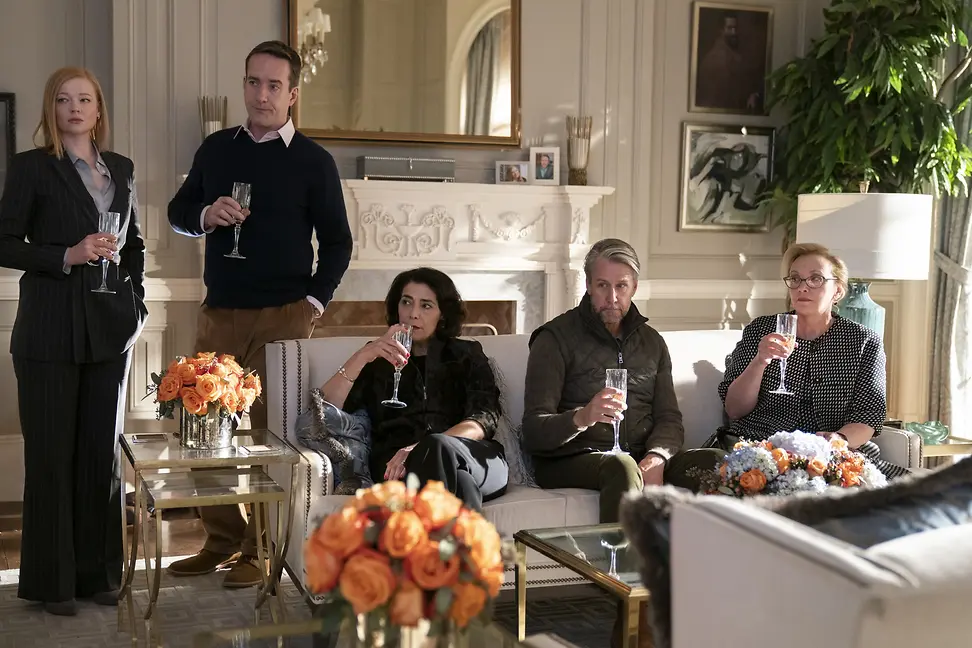
Logan runs his company like a fortress and his family like a psychological experiment. He showers his children with money, but never hands over real power. He raises lap dogs, yet expects them to be wolves. In doing so, he holds them back - partly out of resentment, but also out of a warped instinct to protect them. By keeping them small, he keeps them close, within the safety of his shadow. He wants to see his own hunger and ambition reflected in his children. What he sees instead is the emptiness of a generation that has never truly faced adversity. His verdict is devastating: "I love you, but you are not serious people."
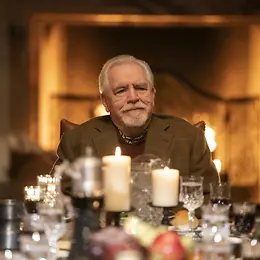
Because he sees his children as weak, Logan treats the very idea of succession with contempt. That becomes painfully clear in the episode "Tern Haven", when he negotiates a takeover with the Pierce family. The Pierces present themselves as cultured, quoting Shakespeare, and insist on clarity around succession as a condition of the deal. Logan replies with his own "favourite passage" from Shakespeare, telling them to "Take the fucking money! " Four brutal words that leave no doubt about how little he thinks of his children as potential heirs.
Logan's worldview is simple: eat or be eaten. In his mind, there is no room for an orderly transfer of power. Life, as he sees it, is not a courtly romance, but a permanent state of war. As he puts it: "Life's not knights on horseback. (...) It's a fight for a knife in the mud."
Logan has spent his entire life knee-deep in that mud, fighting his way to the top. His children, by contrast, have grown up with wealth and privilege. They may be morally compromised, but they have never had to fight for anything - and they carry no scars. That, more than anything, is what Logan despises. Not their failures, but their soft hands.
Logan Roy represents an outdated archetype. The delusion that drives him, however, is far more enduring: the belief that one is irreplaceable. And yet empires tend to last only when their founders grasp a simple truth - that letting go does not mean giving up their legacy.
Some people should never be given responsibility - and certainly not out of pity or a sense of duty. In Francis Ford Coppola's epic "The Godfather", that risk has a name: Fredo Corleone.
The tragedy unfolds under Don Vito Corleone, who runs his criminal empire with discipline and brutality, supported by his sons. Sonny, the eldest, is hot-headed and impulsive. Michael is calm, controlled and strategic. Fredo is caught uncomfortably between the two.
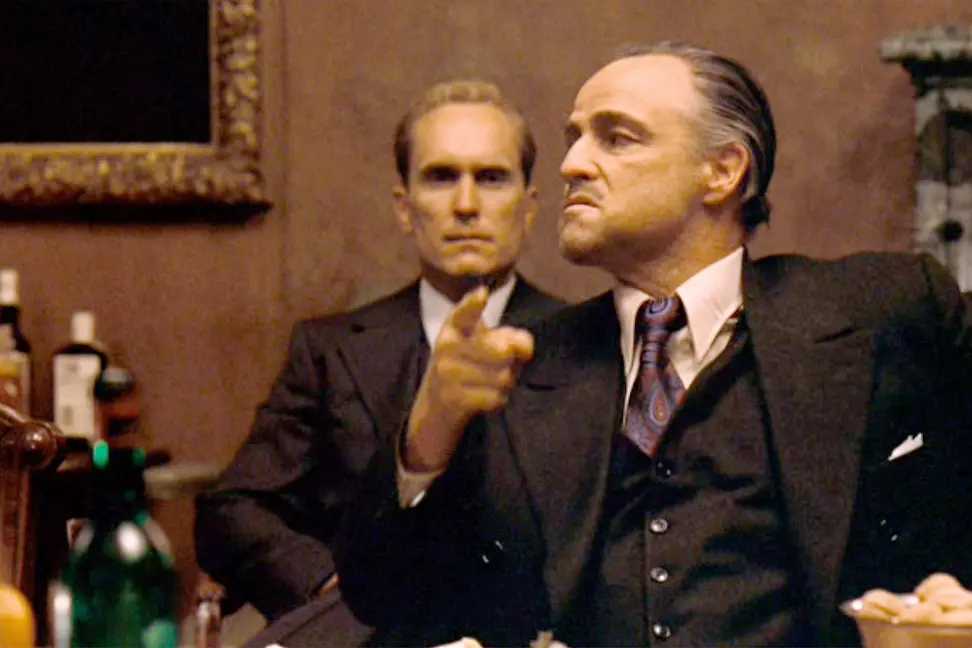
Fredo is the weak link, a fact laid bare in one of the film's most telling scenes. When his father is gunned down in the street, Fredo drops his weapon in shock and collapses, sobbing, as Don Vito fights for his life.
When Michael later takes the reins, he knows that Fredo is unfit for the family's ruthless business. But instead of removing him from danger and setting him up with a comfortable life, far away from the action, Michael makes a critical mistake. Out of loyalty, he brings Fredo into the inner circle, giving him a role in Las Vegas. Michael believes he is doing the right thing and honouring the family by keeping his brother involved. In reality, he is humiliating Fredo.
Fredo understands that his role is ornamental and that he's not respected. And his resentment festers until it curdles into betrayal, culminating in a failed attempt on Michael's life. When Michael confronts Fredo, the wound finally bursts open, and he says, "I'm your older brother, Mike, and I was stepped over! (...) I'm smart and I want respect!"
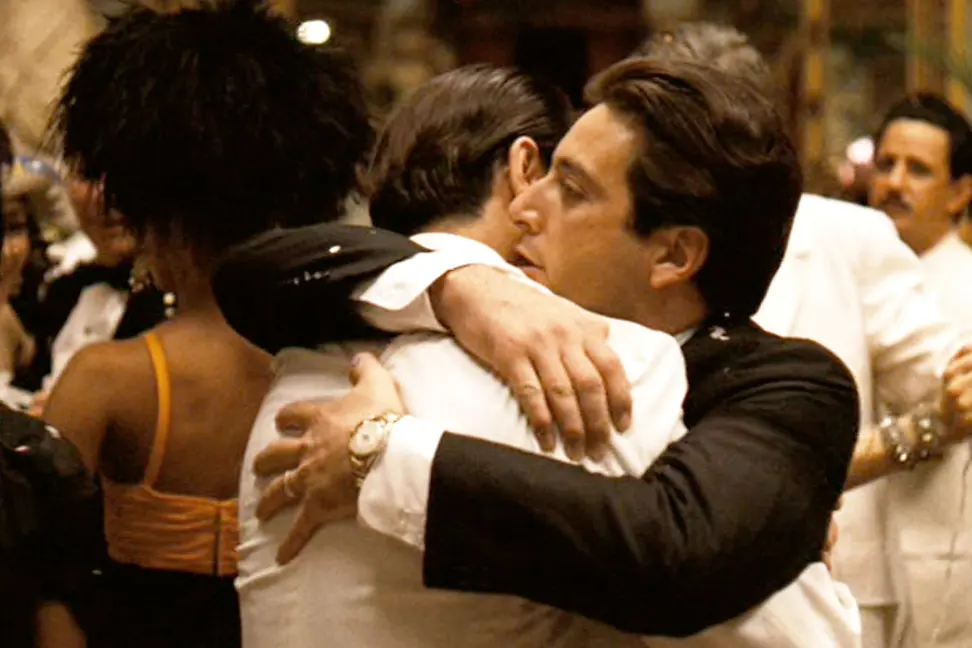
Michael had known all along that Fredo was too soft for a life of crime. But his judgement was clouded by sentiment. Modern management theory has a name for this mistake: the "Fredo effect". It describes leaders who act like siblings rather than executives, promoting family members to roles they are not equipped to handle. The result is damaging for the company, and often disastrous for the "Fredos", who find themselves either overwhelmed or underused, driven to seek recognition out of sheer desperation and, in the process, destroying everything around them.
Michael's response to the betrayal is ruthless. He corrects his mistake with a sentence that severs all ties: "You're nothing to me now. You're not a brother, you're not a friend."
When faced with complex asset and family structures, it makes sense for families to do comprehensive and long-term wealth planning. This is especially important in cases where, for example, certain family members live abroad, assets are partly tied up in the family business or income is derived from several sources in different countries.
For some heirs, the family name isn't something to live up to, it's a tool for making money. They exploit it aggressively and strip it for value like silver-plated cutlery that loses its shine the harder you polish it.
This is the dynamic that lies at the heart of Ridley Scott's film "House of Gucci". The film takes some cinematic liberties, but the tragedy it depicts is grounded in fact. What ultimately tore the family apart was an insatiable hunger for status and recognition, which is neatly captured in a quote attributed to Patrizia Reggiani: "I would rather weep in a Rolls-Royce than be happy on a bicycle."

The family's downfall, however, didn't begin with money. It began with identity. The Gucci family liked to present itself as heirs to an aristocratic tradition of equestrian craftsmanship. The reality was more modest. Guccio Gucci, the company's founder, was the son of a craftsman. He worked as a porter at London's Savoy Hotel, observing the wealthy guests come and go, before opening a small leather workshop in Florence. The brand was built on quality, not pedigree.
Success changed that. In the generation that followed, two brothers came to embody two very different ideas of what Gucci should be. Rodolfo pushed for exclusivity at all costs. Aldo wanted growth and profit, plastering the company's logo onto mass-produced goods. Rodolfo could see disaster looming. In the film, he dismisses the designs meant to flood the market as nothing more than "a triumph of mediocrity".
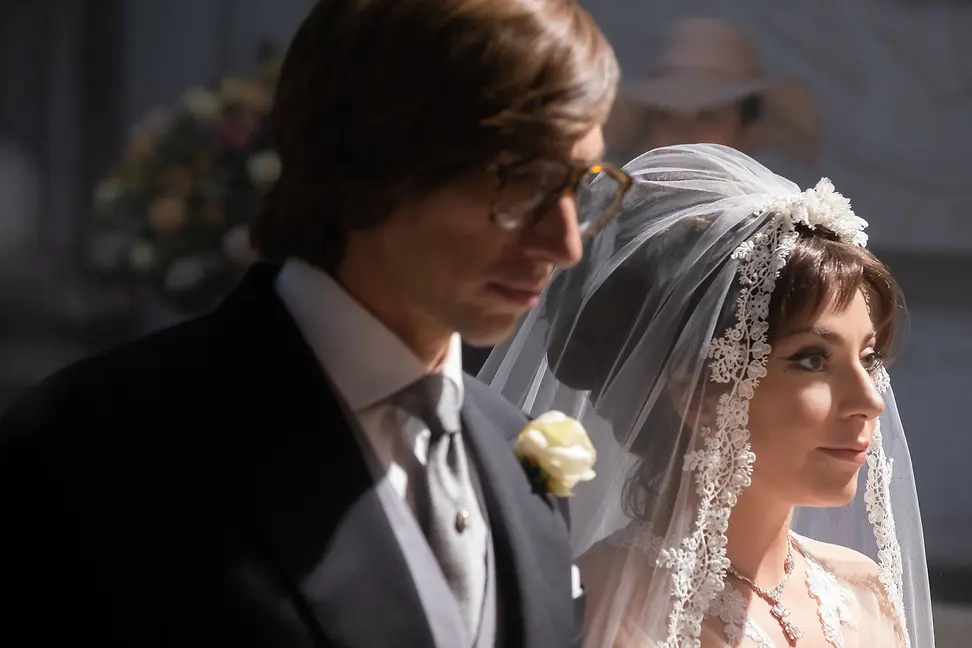
In the end, however, the family didn't break apart over vision, but over power. Rodolfo held on to his 50 % stake until his death, passing it on to his only son, Maurizio. Aldo took a different approach. Hoping to save on tax and maintain control, he split his holdings into tiny 3.3% stakes for each of his sons - without realising he was laying a trap for himself.
When Maurizio later pushed for full control, he didn't need an outright majority. He needed just one ally. His cousin Paolo provided the decisive sliver of power, helping to force his own father out of the business. But the victory was short-lived. Maurizio proved to be an inept businessman, burning through the company's resources as financial pressure mounted. To stave off bankruptcy, the family began selling its shares piece by piece. Maurizio was the last to exit, selling his last shares in 1993.
The irony here is hard to miss: for the Gucci brand to survive, the Gucci family had to go.
Thomas Mann's debut novel "Buddenbrooks", set in Lübeck, Germany, chronicles the slow decline of a proud merchant family over four generations. Long before psychology had a name for it, Mann describes what happens when a person's life is governed entirely by an overwhelming sense of duty, diagnosing what we now recognise as burnout.
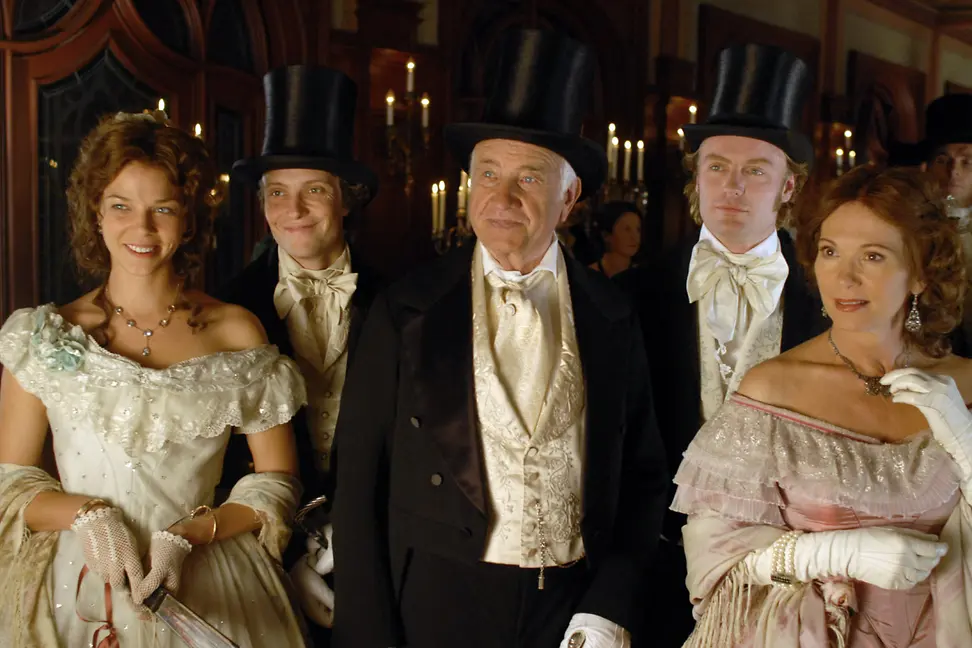
One of the story's central figures is Thomas Buddenbrook, heir to the family's trading empire. He embodies the Hanseatic ideal almost too perfectly: outward composure, impeccable manners and iron discipline. But Thomas no longer works for profit; he works to preserve appearances. He runs the business not out of conviction, but out of a crushing fear of failing his ancestors.
As that fear deepens and the company begins to slip from his grasp, Thomas retreats even further into keeping up appearances as a form of refuge. His behaviour becomes obsessive. He spends hours in front of the mirror, changes his shirt several times a day and scrutinises every crease in his suits. Thomas Buddenbrook becomes a hollow figure, playing the role of running the business rather than actually doing so, effectively becoming a prop in his own downfall. The family empire does not fail because its money runs out. It fails because form replaces substance.
From the outside, everything still seems intact: the magnificent house on Mengstrasse, Thomas's role as a senator. But beneath the surface, the core is already hollow. Mann captures this with brutal clarity when Thomas realises that the visible symbols of success often appear only after decline has begun - like the light of a star that reaches us long after the star itself has gone dark.
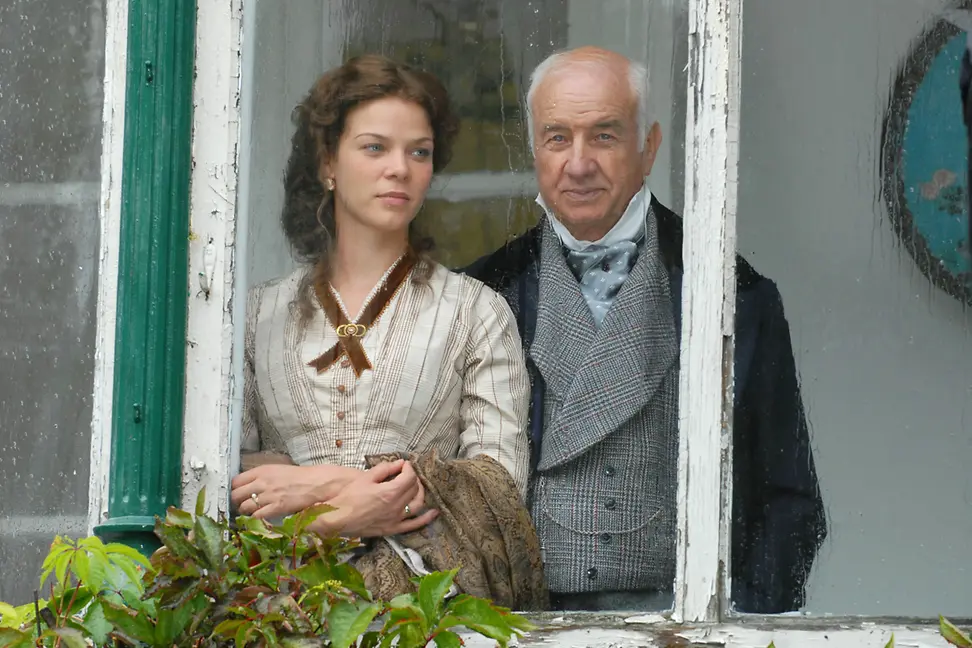
Thomas Buddenbrook ultimately fails because he misunderstands what he has inherited. Instead of wearing tradition like a warm coat, he treats it like a suit of armour - rigid, heavy and suffocating. Mann's message is clear: tradition must be carried forward and allowed to evolve. The same is true for heirs. If they aren't given space to breathe, even the most respected companies and families will falter.
Films and books may heighten the drama, but the reality of succession is often no less stark. A long-term study by US researcher John Ward found that only around 30 % of family businesses survive the transition to the second generation. Just 12 % make it to the third. And by the fourth, survival becomes the exception.
But these figures can be misleading. Failure today rarely means bankruptcy. More often, it means an exit. The business is sold. Control is handed over. The family's wealth remains intact - in some cases it grows. What disappears is harder to quantify: influence, authorship and the family's name on the door.
The four stories explored here help explain why this can happen. And they show us that lasting success is not defined by how long families hold on to power, but by whether they know when, and how, to let it go.