- Home
-
Private banking
- Market view
- Insights
-
LGT career

What was once a binary choice - still or sparkling - has evolved into a ritual of discernment. Fine water has become the new frontier in luxury dining.
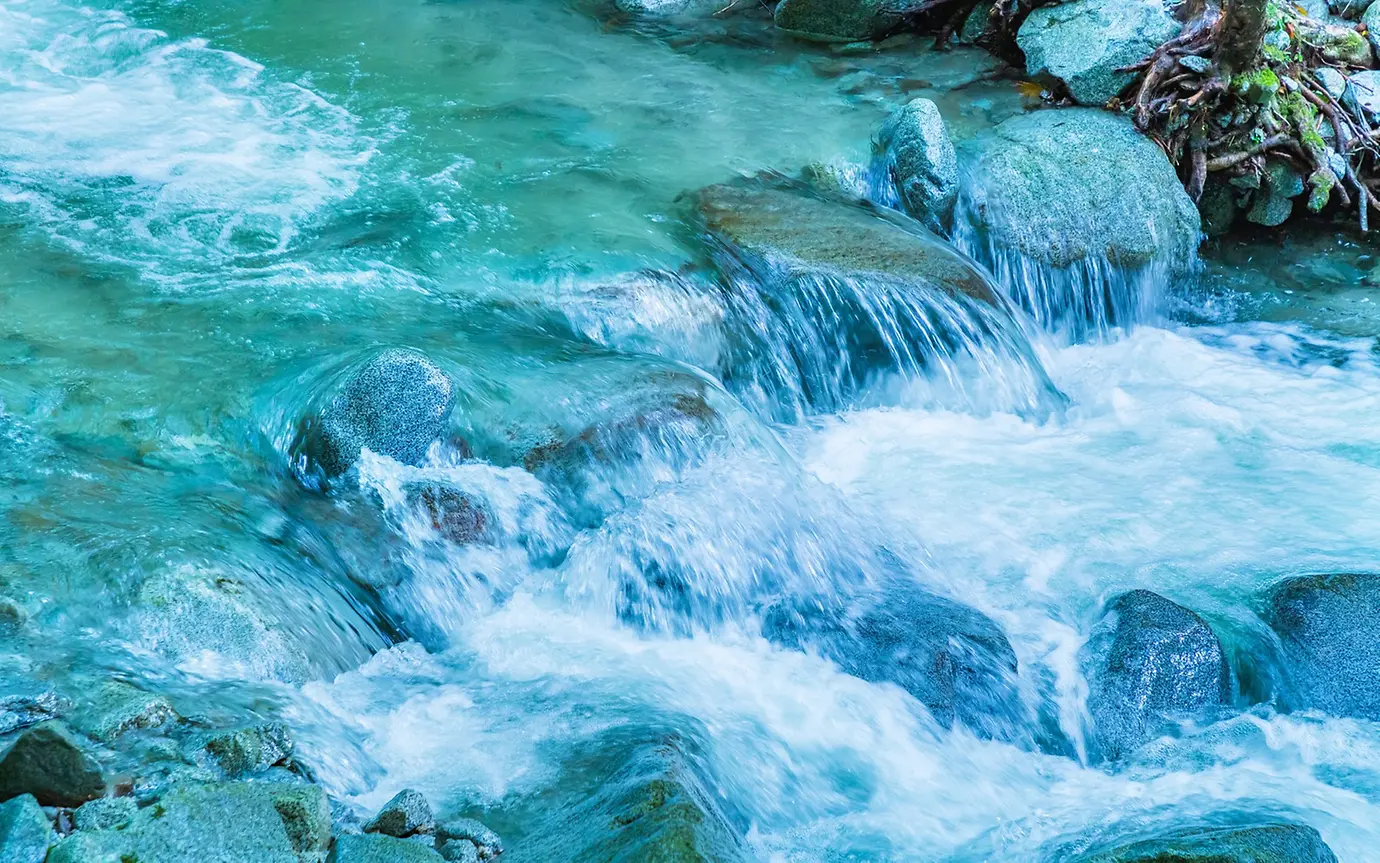
People laughed at Michael Mascha when he started out as a water sommelier in 2002. Water was "still or sparkling, Madam?", and any other perceived variation was hardly enough to justify the concept of connoisseurship. "It was considered to be a really stupid idea", says Mascha, an Austrian former anthropologist and tech investor, who moved to the US in the 1990s.
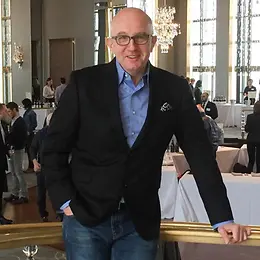
Almost 25 years later, the sceptics have largely stopped laughing. Mascha, the founder of Fine Waters, which has spin-off society, academy, conference and consulting arms, commands a growing global network of water sommeliers whose expertise and passion for terroir and provenance is transforming the reputation of the clear stuff.
"We're moving away from considering bottled water just for hydration, and towards water as an experience", Mascha, 67, says from his home in Texas. "It's about enjoying the ritual, the discovery, the taste."
The original water sommelier predicts water will be the next big thing in the culinary and hospitality world, partly as increasingly health-conscious consumers shift away from alcohol. His own move into water started when his cardiologist urged him to give up his extensive wine collection.
"If you're ordering a USD 500 bottle of wine in a three-star Michelin restaurant and drinking San Pellegrino with it, that's an acidic water with bubbles that is going to completely destroy your wine."
In the US, more than a dozen restaurants now offer water menus as alternatives to wine lists, with sommeliers on hand who have typically undertaken Mascha's comprehensive, six-month course. He says demand is fizzing for expertise and niche waters that can cost up to USD 95 a bottle in the case of Berg, a hand-harvested glacier water from Greenland.
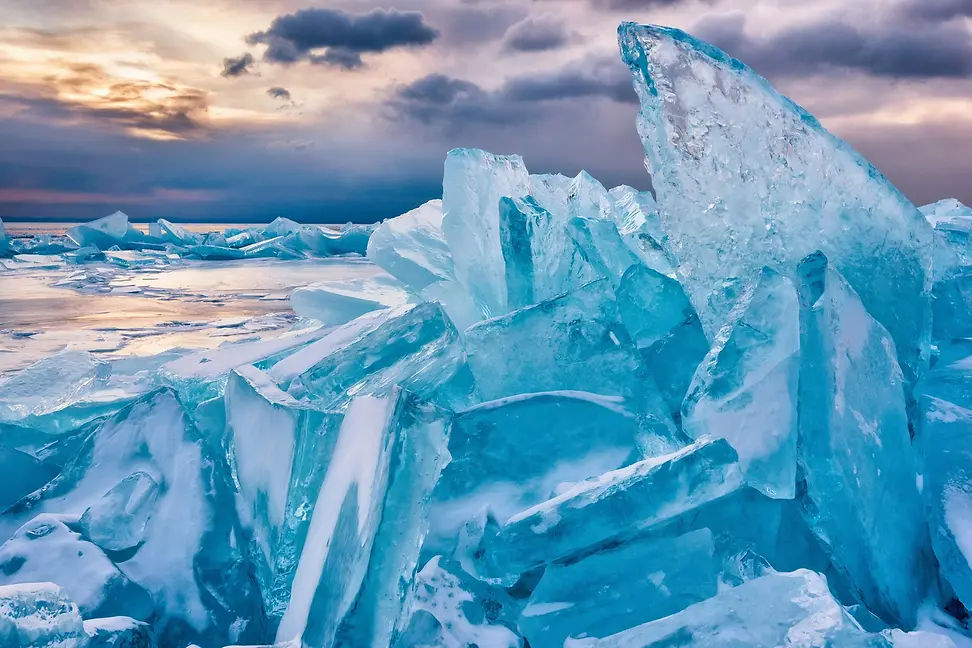
Berg is one of about 20 bottles on the menu at The Inn at Little Washington: a three Michelin-starred restaurant in northern Virginia favoured by Washington movers and shakers. Mascha trained its sommelier, Cameron Smith, and helped write the menu. He says a billionaire recently had a tasting there. "She's someone who can fly by private jet from one three-star restaurant to the next and have all the best wine and food in the world", he says. "And she said she'd never had an experience like it."
So, what does a chunk of Arctic glacier taste like ("vintage: 15,000 years")? "This is a very light bodied water that easily glides across the palate", the menu's tasting notes say. The key determining factor in taste and mouthfeel, Mascha explains, is a water's mineral content, which is measured as milligrams per litre of "total dissolved solids" (TDS).
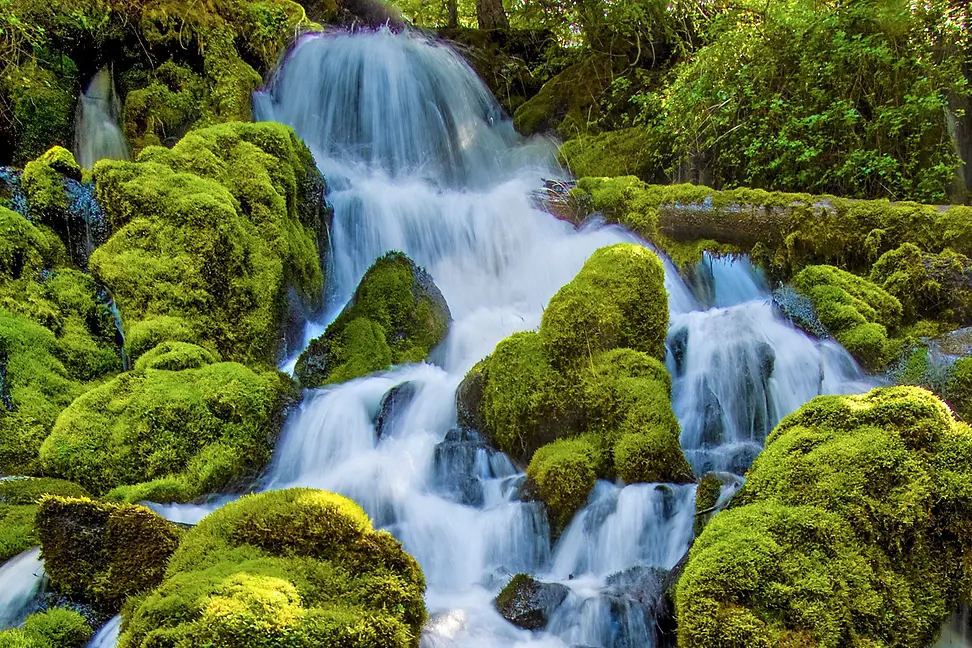
"You have the very light, soft glacier or iceberg waters that have not changed since they fell from the sky just now or 10,000 years ago", he explains. "Or you have waters that have been in the ground for a long time and absorbed lots of different minerals."
This range, from soft to hard, can lend different waters to pairings with different foods. "Having the right water with the right food can really enhance your experience", Mascha says. The soft subtlety of iceberg water, for example, enhances the gentle flavours of foods such as sashimi or caviar. "If we go to the other side, if you have a steak or something heavy like game, then a super-light water would not stand up to it, it would feel very strange. So, this is where you want to have water with a little bit more mineral content that feels more substantial."
Not all minerality produces the same results. Mascha says a water with high levels of silica and a high PH will feel "soft, almost creamy", complementing a sweet chocolate dessert. High-sodium waters with a slight salty edge, meanwhile, can bring out the flavours of bitter foods such as dark chocolate.
Since he launched his sommelier academy in 2018, Mascha has so far produced more than 100 graduates, with another 100 currently studying. Students, who learn remotely with waters ordered online, are based all over the world, from South Africa to South America, and from China to Bhutan. He says applications have started to really pick up in the last couple of years. A small number of other certifications that exist, including in Germany and South Korea, add water to the wine curriculum. "We are purely focussed on water", Mascha adds.
Much of the demand for this kind of know-how is coming from the hospitality industry, as well as a niche retail market for sometimes obscure brands that have long been exalted in water circles and are now being brought closer to the mainstream.
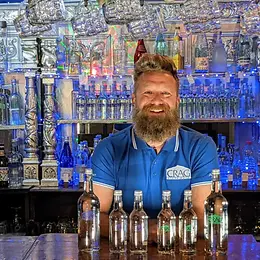
In the UK, Mascha trained Doran Binder, a former fashion executive who pivoted to water after discovering a remarkably pure spring under an abandoned pub he bought following a divorce in 2016. His team at Crag Spring Water in the Peak District now taps more than 1000 litres a day having converted the pub into a bottling plant. Now known online as "the bearded sommelier", Binder conducts almost daily online water tasting sessions and also consults for restaurants and hotels.
Binder says certain cheeses can be especially enhanced when paired with the right water. He recommends a good Spanish Manchego with a bottle of Vichy Catalan, a naturally sparkling Spanish water with a high mineral content established in 1881. "The water changes the texture of the cheese, turning it into this truffly, souffle-ish spectacular thing…Every time I give somebody a glass of Vichy Catalan with a slice of cheese, their eyes pop out of their head."
Another of Binder's favourite waters (apart from his own, of course) is Chateldon 1650, a limited-run French spring water from the Auvergne region with very high minerality. "Before they started bottling it in 1650, Roman soldiers would fill their vessels with it because it gave them energy", he says.
Binder has also learned to distinguish between minerals: "If it's sodium, it's salty. If it's calcium, it's slightly sweet. And if it's magnesium, it's slightly bitter." Whatever the dominant mineral, he says the key to savouring good water is never to chill it. "If water isn't at room temperature it will taste of nothing", he adds.
Back in Texas, Mascha acknowledges the environmental impact of the wider bottled water industry, but says the vast majority of it is processed rather than natural. "It's basically tap water that runs into a factory and then people drive to supermarkets to buy plastic bottles and take it home, it's totally stupid", he says. He drinks tap water day to day, which he draws via a filter installed under his sink. "What we're talking about is premium waters that are unique, that have a terroir and deserve to be bottled", he says.
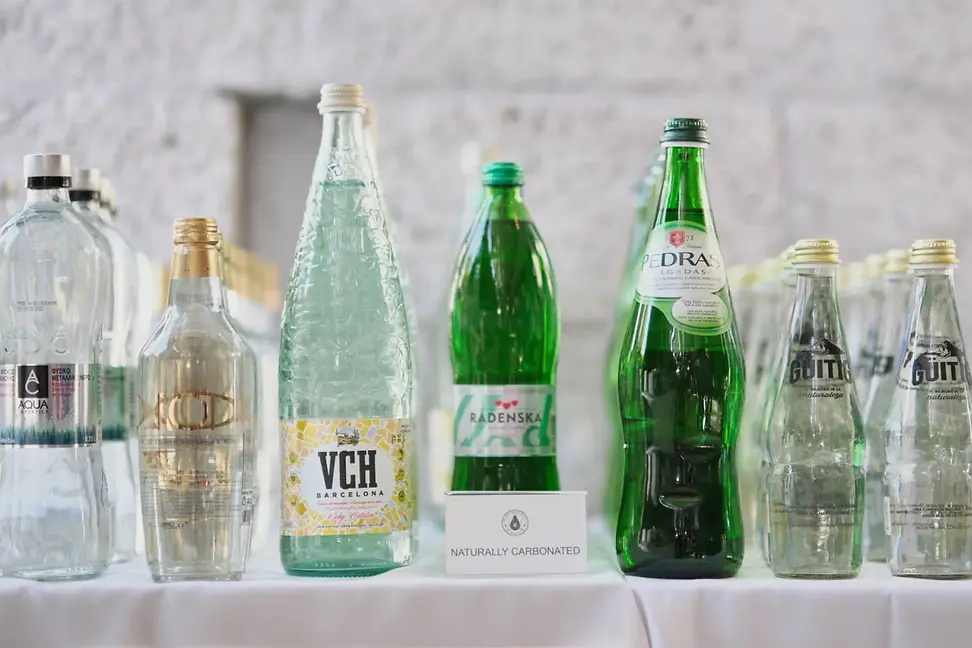
While a move away from wine inspired Mascha's globe-trotting second career as what Binder describes as "the godfather of water", the Austrian says that top restaurants are also starting to rethink the default "still or sparkling" choice with wine in mind. "If you're ordering a USD 500 bottle of wine in a three-star Michelin restaurant and drinking San Pellegrino with it, that's an acidic water with bubbles that is going to completely destroy your wine", he says. "It brings out the tannins, reduces the fruitiness and gives the wine an astringent feeling."
What does he recommend instead?
"Something much softer that will bring out all those flavours. Something that will also change the way you think about water."