- Home
-
Private banking
-
LGT career
-
Market view and Insights

The shift from fossil fuels to clean energy has been decades in the making, but misinformation continues to cloud the debate. We unpack the most common misconceptions and show why the transition is both unstoppable and necessary.
Anyone could be forgiven for thinking that the science and political will on renewable energy had been settled long ago; the transition from fossil fuels has been underway for decades, and leading nations now manage to get the majority of their electricity from renewable sources.
But things can change as quickly as the wind itself, and where powers seek to undermine the transition, they tend to resort to dubious claims, myths and conspiracy theories.
Here are some of the most persistent - and why they just don't add up.
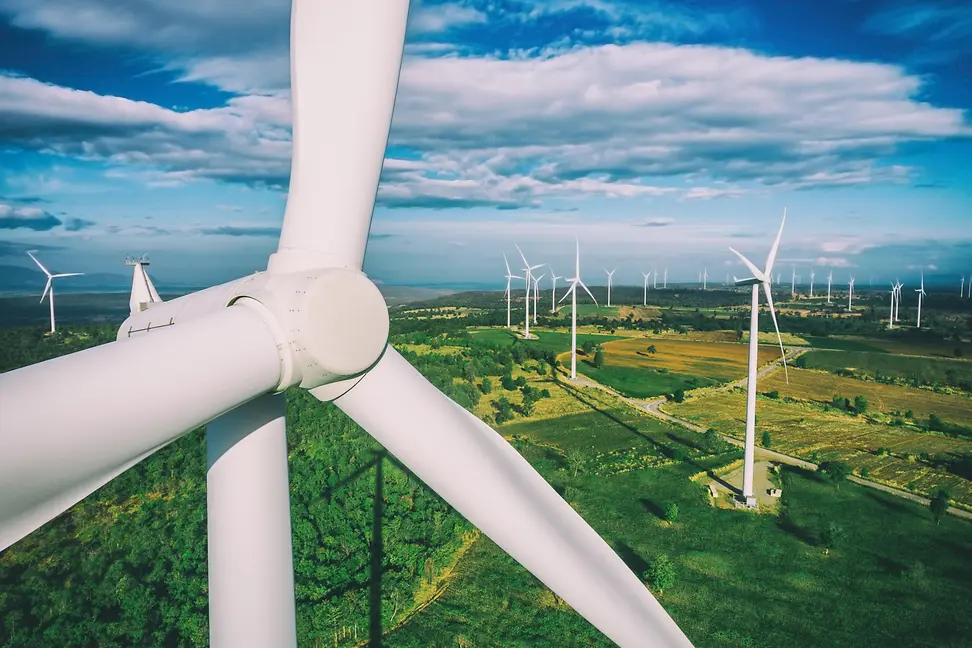
The US government is leading a backlash against wind energy that is blowing through the global industry with chilling effects. President Trump has claimed that turbines not only harm property prices and ruin views, but also "kill all the birds" and "drive the whales crazy". At the same time, he has set out to reinvigorate "America's beautiful clean coal industry".

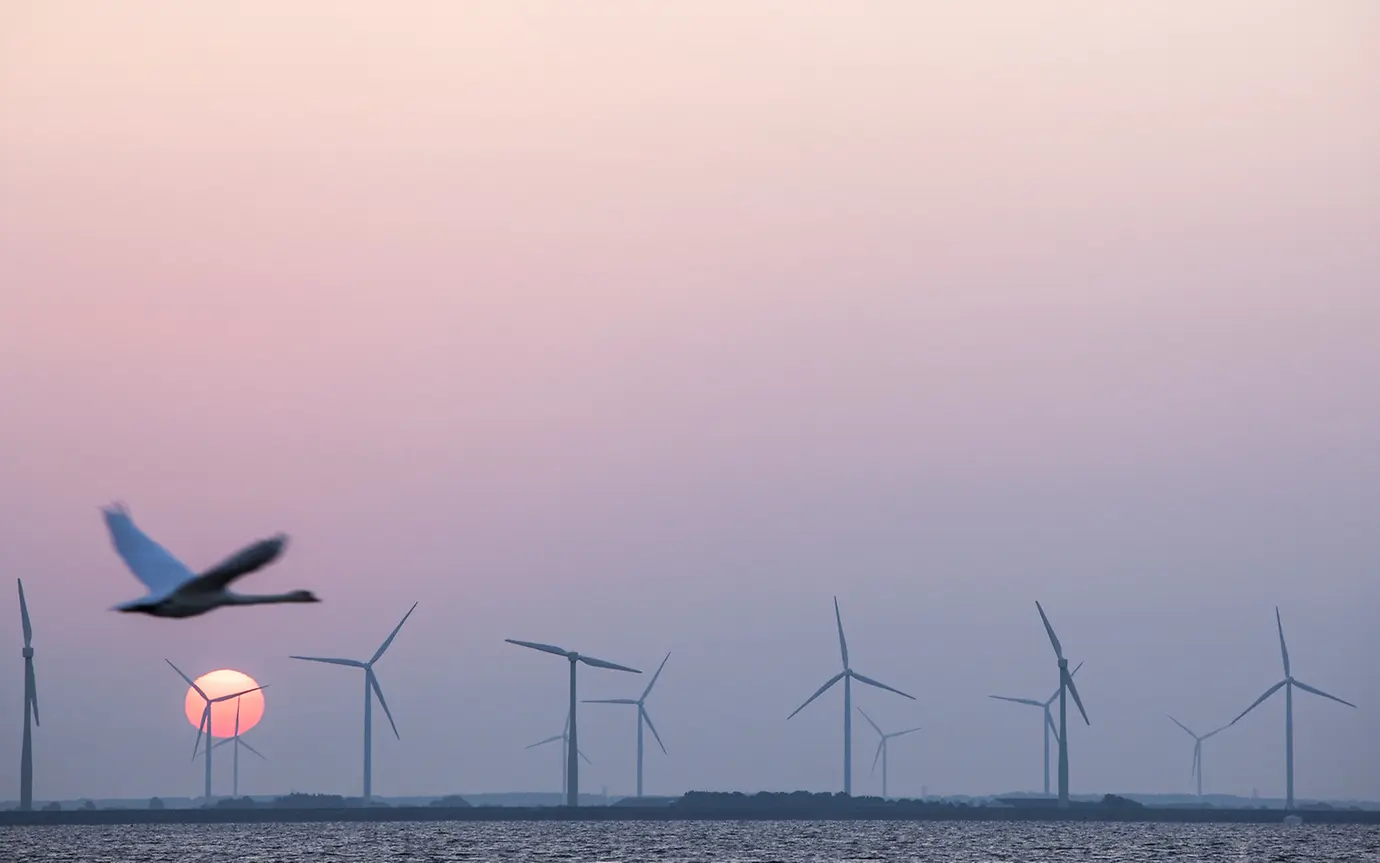
Let's start with those poor birds. The sad fact is that if you stick anything pretty tall in the ground, birds will crash into it. But according to estimates by the US's own Fish and Wildlife Service, wind turbines claim a small fraction of avian lives when compared to collisions with vehicles, electrical lines and buildings with windows - and none of these come close to matching the murderous impact of the domestic cat.
There are also ways to further reduce the threat to birds posed by turbines. "Often wind parks or individual turbines come with dedicated sensors that can slow or shut down the turbines, if birds are flying too close", says Cedric Baur, Equity Specialist at LGT Private Banking. He also points out that careful conservation work is done when selecting sites for new onshore facilities - and that offshore sites can double up as artificial reefs.
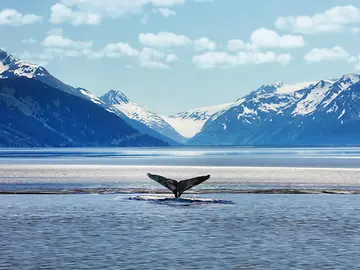
As for whales, there have been claims that offshore turbines are responsible for a high number of humpback strandings on US coasts. But scientists have recorded no link, finding that boat strikes and fishing nets pose the real threat.
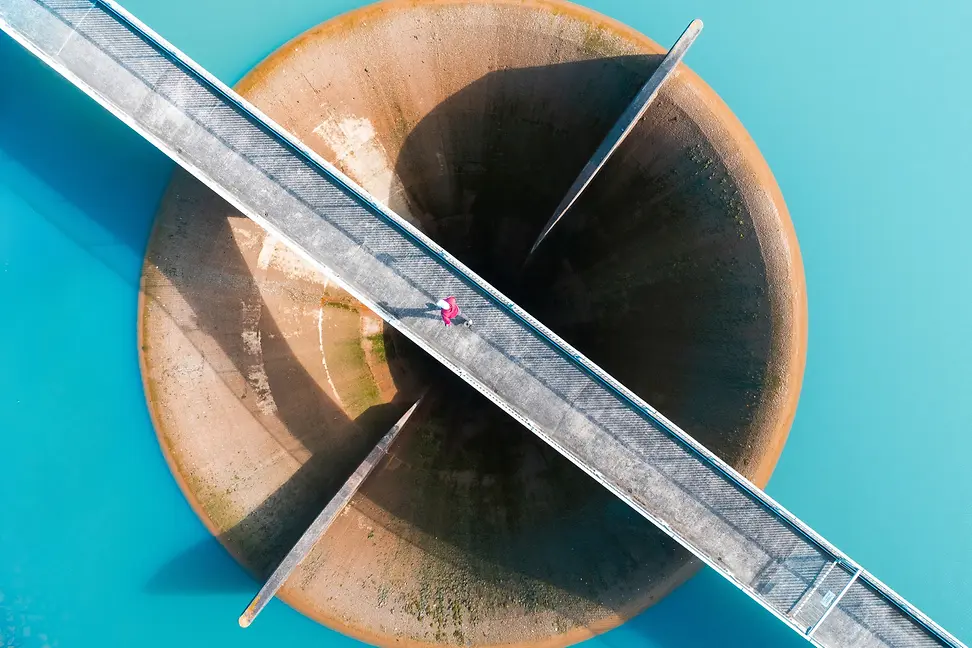
This used to be true. When the industry was emerging in the 2000s, subsidies were a vital part of building momentum in the transition. "However, during the 2010s, technological advancements and economies of scale slowly but surely changed the status quo", says Felix Kapfhammer, Economist at LGT Private Banking. Today renewable energy is the cheapest choice of energy in many countries, including the US, China and Germany.
Meanwhile, as Baur points out, fossil fuels receive billions in subsidies, despite plans to phase this out, peaking at more than USD 1.2 trillion in 2022, when energy prices soared following Russia's invasion of Ukraine.


Renewable energy, especially wind and solar, depend on the weather and can indeed only produce intermittently if poorly managed. However, as the recent deep energy crisis prompted by Russian aggression in Ukraine showed, global fossil fuel supplies are extremely vulnerable, too. And a huge amount of work has been done to smooth out supply and distribution challenges and intermittencies that were an early feature of renewable networks.
"Compared to the risk of fossil fuel import disruptions due to geopolitical tensions, the risk of intermittencies is much easier to manage", Kapfhammer explains. "Renewable energy is a great opportunity for regions and countries to achieve energy independence if they lack abundant fossil fuel resources."

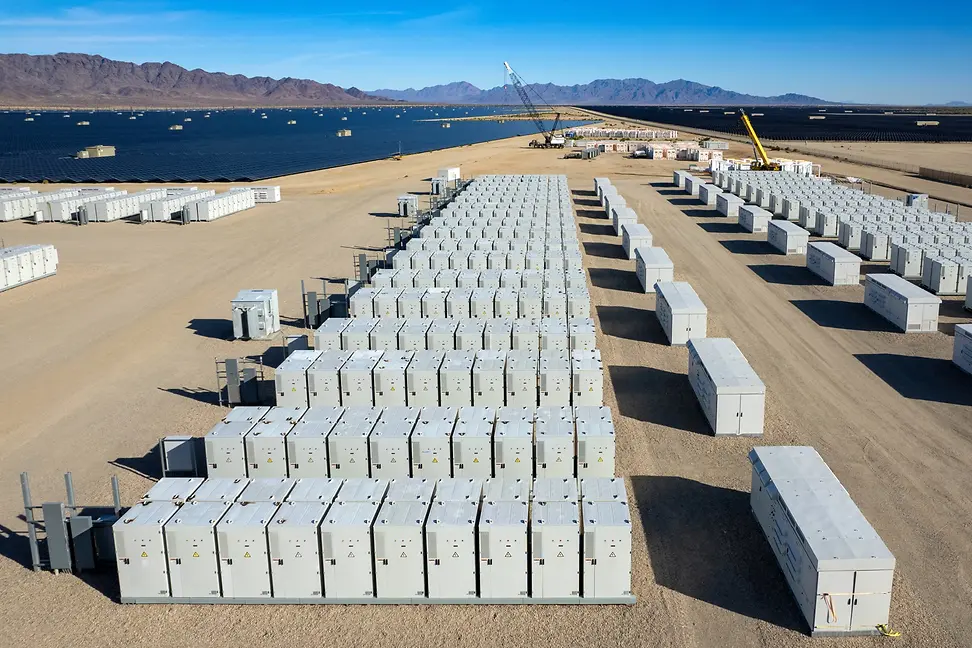
Energy storage has long been a challenge, particularly in relation to wind and solar power and the need to regulate supplies, while demand and weather conditions fluctuate. But the storage gap is closing. "Rome wasn't built in one day, and so isn't a renewable energy system", Kapfhammer says. "Storage, such as large-scale batteries, are rapidly becoming cheaper, increasingly economically viable and are expanding quickly…As demand for storage rises and technology advances, the necessary storage capacity will be developed."
Meanwhile, for decades, the hydropower sector has used pumped hydro storage (PHS) to regulate supply by pumping water from low to high reservoirs when electricity is cheaper and in good supply. The water is then released when demand peaks, using gravity to drive turbines.
Several governments are investing in PHS. Kapfhammer adds that PHS is often the cheapest and most efficient large-scale energy storage, but there are downsides to consider: "Many untapped sites in Europe are remote or have strong local opposition due to social, environmental or ecological concerns. I think while the opportunity for more PHS generally exists in Europe, the development of additional PHS capacity will be limited and we have to rely on other storage options."
"Not necessarily", Baur says. While the global population is predicted to continue growing for several decades, particularly in Sub-Saharan Africa, and the energy demand is indeed expected to increase in the long run, the transition to renewable energy and electrification may at least mitigate - and potentially even negate - rising energy demands. "With electricity, less energy is lost as waste heat or through conversion losses", Baur goes on.
But, he adds, it's a complex argument because increasing energy efficiency can also result in increasing usage.
This would have been an easier argument to make when subsidies and costs were high, but the world has already reached what should have been a tipping point, when renewable energy became not just the environmentally smart choice but the economical one, too. And that's before you factor in the short and long-term costs of sticking with fossil fuels and the resulting climate change.
Swiss Re estimated in 2021 that in a current warming trajectory of ca. 2.6°C by 2050, global GDP could be ca. 14 % lower than in a world without global warming. Even if warming well below 2° C is met, global GDP by mid-century would be still 4.2 % lower. "No action is not an option", Baur says.
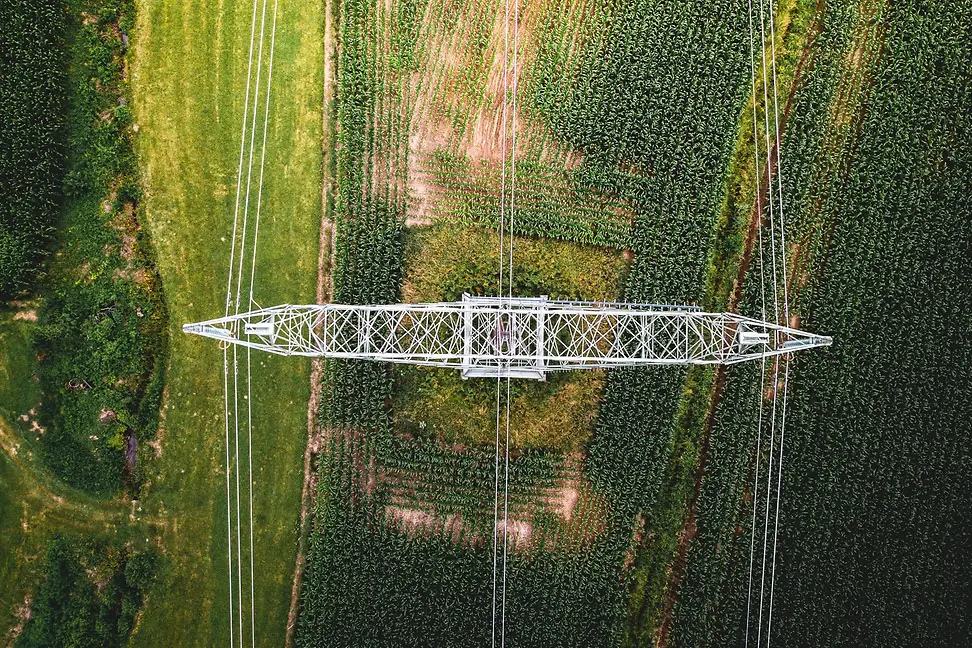
There is no getting away from the high costs of major upgrades to electricity infrastructure, but the long-term costs of not doing this are likely to be higher. Regardless of the transition, Baur points out, many grids in major countries are in dire need of renewal if they are to meet rising demands and take advantage of the use of artificial intelligence, for example. Adapting them at the same time to better integrate with renewable sources is a no-brainer. "Furthermore, consumers in Europe will benefit from lower electricity prices in the longer term", Baur says. "In addition, building and maintaining oil and gas infrastructure is anything but cheap."
The debate over renewable energy is often fuelled less by facts than by fears and outdated arguments. Yet, the evidence is clear: renewables are increasingly reliable, affordable, and vital for long-term energy security.
Dispelling the myths isn't just about correcting misconceptions - it's about enabling informed decisions that shape a more sustainable future.